Breaking

... for openness and credibility....

- MENU
... for openness and credibility....
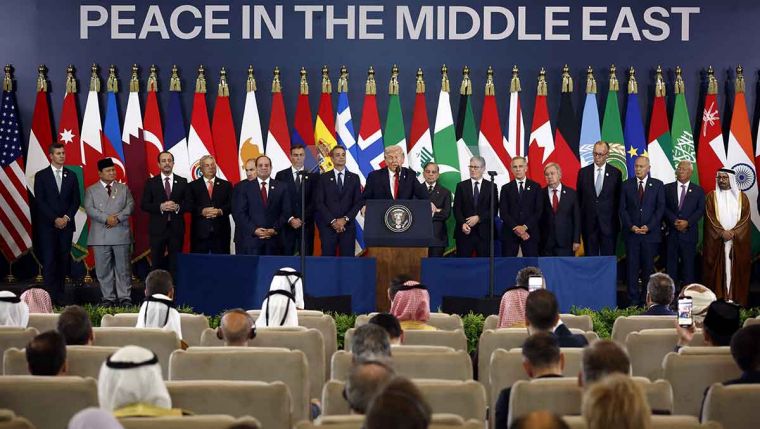
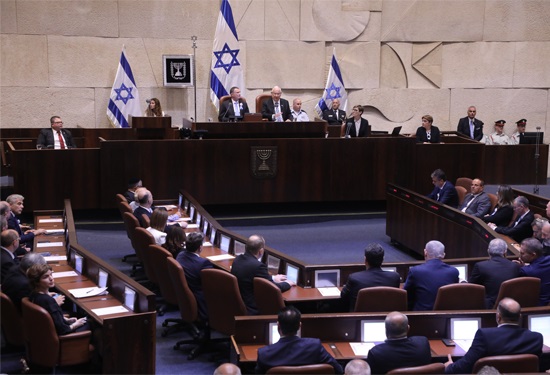
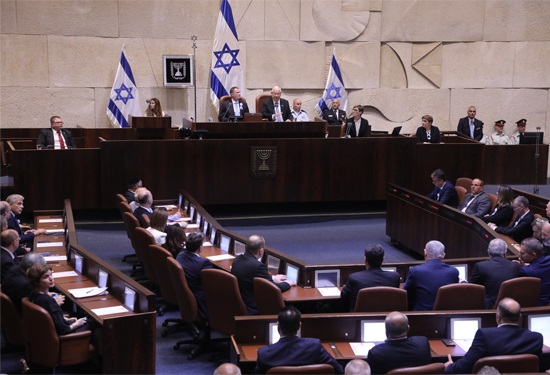
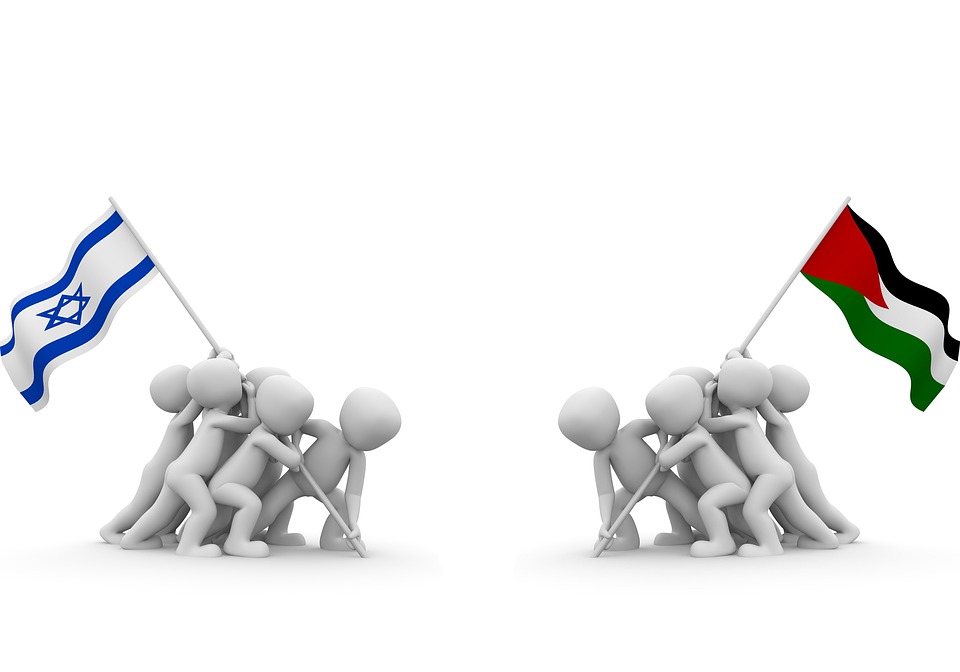
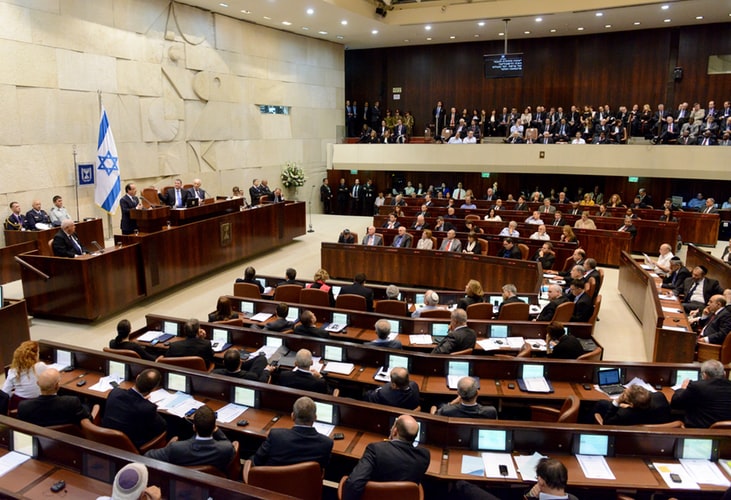
THE WAR IS OVER! President Donald Trump declared loudly and repeatedly, on Air Force One en route to the Middle East, and in his speeches before the Israeli parliament and the Sharm el-Sheikh peace conference. His determination to strengthen the Gaza peace plan is evident. Despite his eccentricity and unpredictability, Trump has succeeded where everyone else—Americans and others alike—has failed. His arm-twisting of Israeli Prime Minister Benjamin Netanyahu and Hamas eventually forced both sides to accept the terms of his peace deal. Despite all the misgivings and negative portrayals—some calling it colonial, genocidal and anti-Palestinian—the Trump Plan remains the only option that could end the Gaza crisis, at least in the short run.
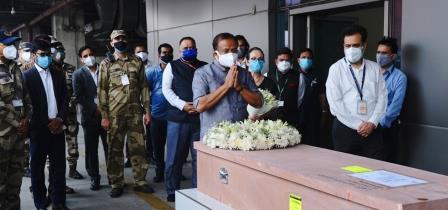
Minutes before Trump landed in Israel, Hamas released the remaining 20 Israeli hostages, and the first batch of bodies of slain Israelis was transferred for forensic verification and authentication. Around the same time, Israel also freed about 2,000 Palestinian prisoners and detainees.
The Sharm el-Sheikh conference on October 13, attended by more than two dozen countries and stakeholders, aimed to boost support for the Gaza plan and stabilise the region. The Islamic bloc, which had earlier endorsed the Trump Plan, was fully present. After initial hesitation, President Mahmoud Abbas—leader of the internationally recognised Palestinian National Authority (PNA)—attended the conference co-chaired by Trump and Egyptian President Abdel Fattah el-Sisi. Just weeks earlier, the US had denied visas and barred the Palestinian leader from speaking in person at the UN General Assembly session.
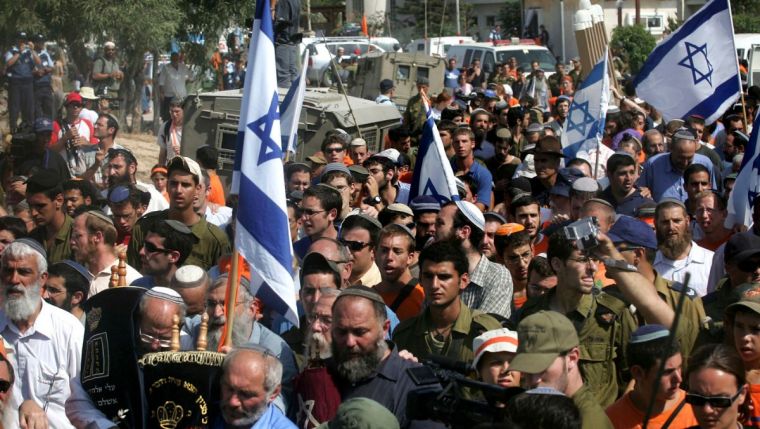
The peace deal was officially signed by Trump, not by the two main parties—Hamas and Israel. The former chose not to attend, and the latter was unable to. The Haredi (ultra-Orthodox) parties in Israel had asked Netanyahu not to violate observance of the Simchat Torah festival. El-Sisi tried to invite Iran but was unsuccessful. While Prime Minister Narendra Modi wisely decided to skip the event, Russia and China were also absent. The hype, global participation and broader support are vital to strengthening backing for Israel and Hamas, who need to sell the deal to their domestic constituencies.
While Hamas released all living hostages and Israel reciprocated by freeing Palestinian prisoners, there are concerns that returning the remains of all dead hostages could be delayed. Recovering the bodies from Gaza’s ruins and their forensic verification by Israel could be heartbreaking for the families who lost loved ones.
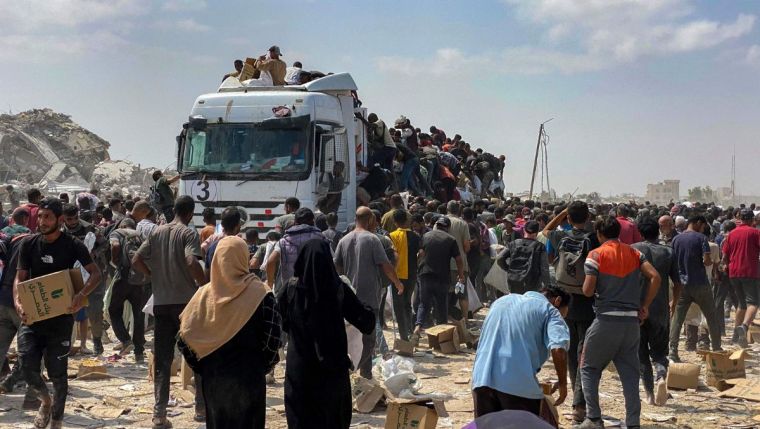
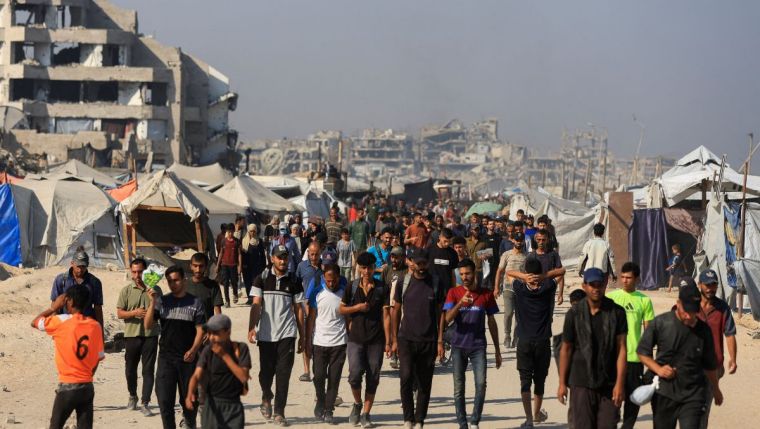
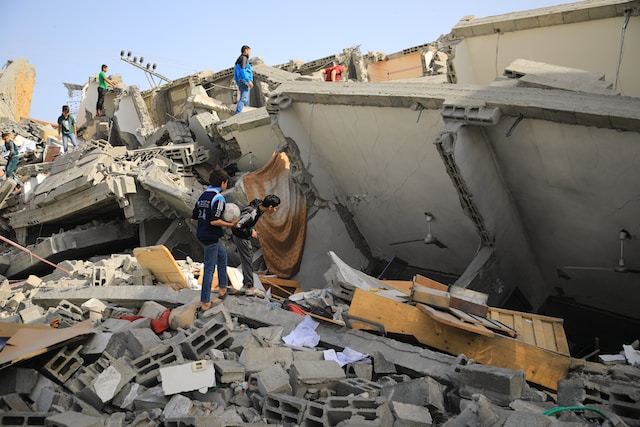
As the guns fall silent, Palestinians are returning to their homes—or what remains of them. With so much death and destruction, the process of rebuilding a normal life, even by war-ravaged Middle Eastern standards, will be agonising. Though humanitarian aid has begun flowing into Gaza, the immediate supply of food and other essentials must be expanded to support reconstruction efforts. Rebuilding Gaza will be one of the main challenges facing the world, especially energy-rich Gulf Arab countries. Due to its geography and historic role, Egypt will be the pivot for any major endeavour.
But the devil is always in the details. Trump declared in Egypt the dawn of a new era. What’s next? The future of the Trump Plan and the Sharm el-Sheikh summit depends on this crucial question. The outlook is less optimistic than the initial excitement over the release of Israelis and Palestinians.
One: Netanyahu has seemingly achieved his two main goals following the October 7, 2023 attacks—securing the release of the hostages and dismantling Hamas rule in Gaza. Naturally, even the residual presence of Hamas is anathema to Israel, which fears it could be a prelude to the group’s regrouping and rearmament.
Is Hamas prepared and willing to disarm? Is it ready to give up its unique source of strength—one that sets it apart from the mainstream Fatah and contributes to its credibility as a formidable adversary to Israel? There are mixed signals. Some suggest the militant group is ready to surrender ‘heavy’ or offensive weapons while keeping small arms. Osama Hamdan, who represents Hamas in Beirut, has declared: “No Palestinian accepts disarmament” and that Palestinians “need weapons and resistance”. Moreover, given the region’s geography, even a short-range missile can have devastating effects; for example, the coastal Israeli city of Ashkelon—with a population of just over 160,000—is only 13km north of Gaza and has been the first line of defence against Hamas rockets.
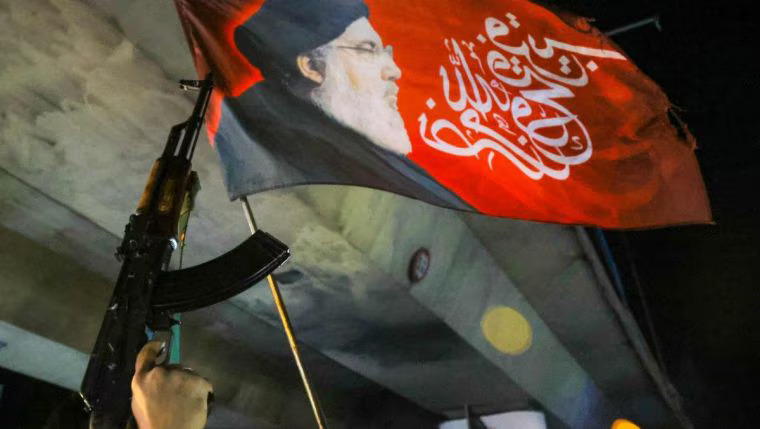
Interestingly, the Taif Accords of 1989, which officially ended the Lebanese civil war, explicitly called for the disarming of Hezbollah, the Shia militant group. More than three decades later, this remains an unfulfilled goal. Will the fate of disarming Hamas be any different? Who will be willing to enforce the disarmament clause of the Trump Plan? If the Arab powers lack military strength, Trump will not be inclined to get directly involved. The same applies to western and Islamic countries. Therefore, any active disarming of Hamas will fall on Israel, which could easily lead to another Gaza war.
Two: The very first point of the Trump Plan discusses creating “a de-radicalised terror-free zone” in Gaza. Achieving this will be easier said than done. The plan states that “Hamas members who commit to peaceful coexistence and decommission their weapons will be given amnesty. Members of Hamas who wish to leave Gaza will be provided safe passage to receiving countries.”
In practical terms, this means disarming Hamas in exchange for amnesty for past actions. The possible exile of Hamas members to third countries echoes the dilemma Yasser Arafat faced in August 1982 after the Israeli invasion of Lebanon. The Palestinian fighters went to several countries, and along with the headquarters of the Palestine Liberation Organisation, Arafat relocated to Tunis.
The situation is more unstable this time. Which Middle Eastern country will take in former Hamas militants? None of the major Arab powers—whether part of the Abraham Accords or supporting them—will be eager to host Hamas militants. The Doha attack by Israel will serve as an additional warning. For the same reason, the long-term presence of Hamas in Qatar is also questionable.
In the past, one could consider republican regimes like those in Algeria, Iraq, Libya, Syria, Tunisia and Yemen as potential hosts for Hamas. Apart from Yemen—already caught in prolonged civil war and violence—none are in a position to host Hamas. Even the formerly radical Sudan has a peace agreement with Israel and is unlikely to be the host.
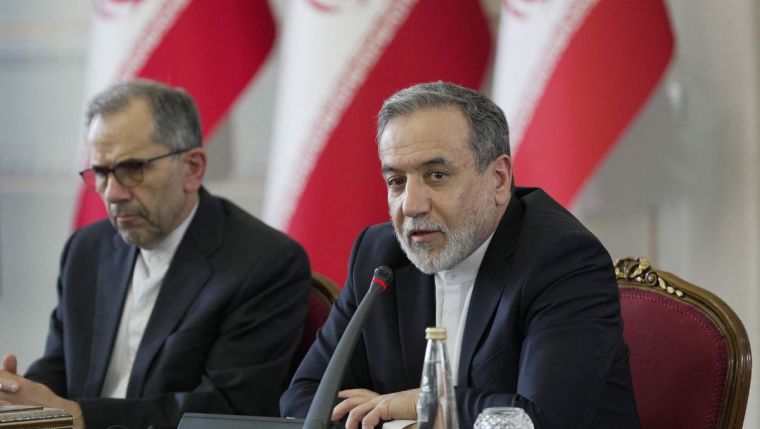
What is happening to the Islamic Republic of Iran? Over the past two decades—especially as international attention and concerns grew over its nuclear programme—Tehran has been the most vocal supporter of Hamas. Since the 1990s, Iran has also hosted official representatives of Hamas, along with the Palestinian embassy in Tehran. Its ideological, political and occasional military support has made Iran the most significant backer of the militant Palestinian group. During the height of the Oslo process, even Arafat criticised Iran for interfering in Palestinian affairs through its support for Hamas.
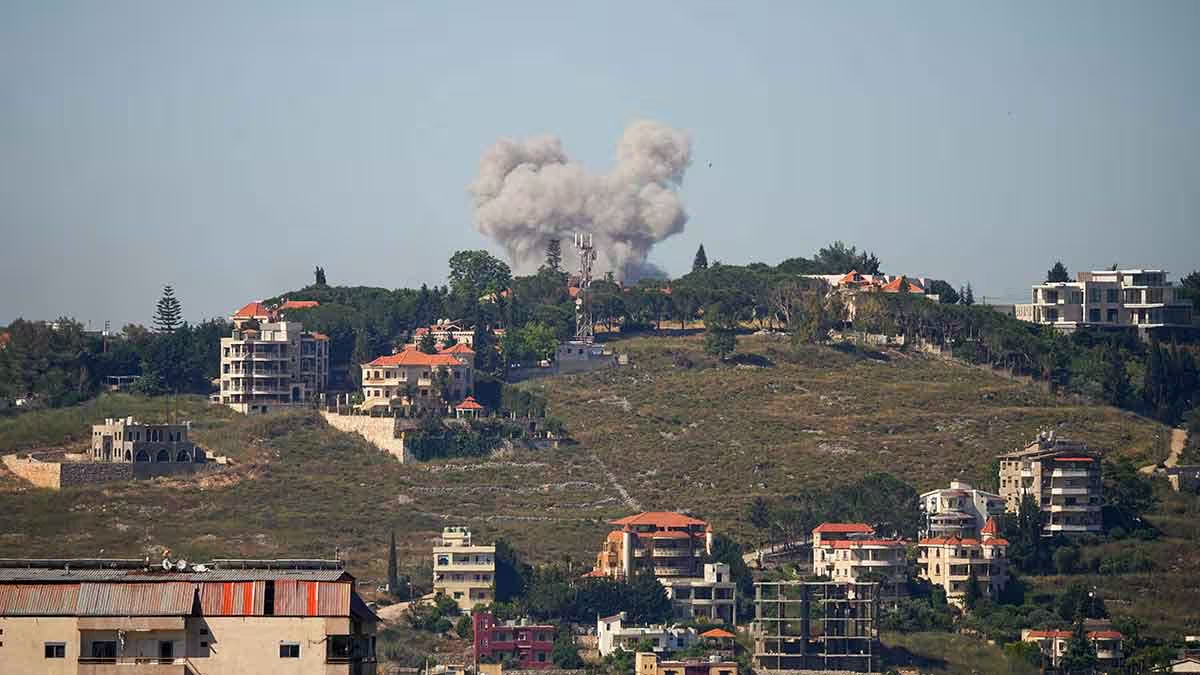
The Israeli military offensive following the October 7 violence significantly weakened Iranian proxies, especially Hezbollah and Hamas, although the Houthis in Yemen continue to launch ballistic missiles at Israel. The June confrontation showed Israeli resolve and political ability to strike deep into Iran. The Islamic Republic is currently recovering and rebuilding its military power, addressing intelligence failures and gradually accepting the limitations of its proxies during critical moments. Will Iran provoke another confrontation with Israel over hosting Hamas militants? Therefore, relocating Hamas militants to third countries is a non-starter.
Three: Islamist groups like Hamas do not need to worry about the costs or consequences of their actions. The number of casualties rarely triggers internal anger or demands for accountability. The more casualties, the greater the international sympathy. Instead of seeking accountability, Hamas’s actions have gained admiration, adulation and emulation. Therefore, until now, few have asked Hamas a simple question: was the death of 68,000 Palestinians necessary or avoidable?
Four: The Trump Plan presents the Abbas-led PNA with a unique opportunity to regain and restore its authority over Gaza. Even before the Hamas takeover in June 2007, Arafat had moved the PNA headquarters to Ramallah in the West Bank. Abbas is seeking to enforce his one-nation-one-army principle, but only with the help of Trump. Indeed, since assuming the presidency of the PNA in December 2004, Abbas has never set foot in Gaza. He wants the international community to fight his battle for control of the Gaza Strip.
Five: It is too early to view the Trump Plan as a victory for Netanyahu or his re-election efforts. Remember Winston Churchill? He led Britain to victory in World War II but lost the battle for the House of Commons. Though Netanyahu’s popularity has seen a modest rise, public opinion in Israel, as in any democracy, remains fragile. Widespread anger over the government’s failure to anticipate the October 7 attacks and the ongoing conflict, which has led to further Israeli deaths, has sparked frustration among a significant section of the population. The prospect of a national inquiry still looms over Netanyahu, and even after leaving office, he may not be able to avoid it. The release of hostages will not erase all the mistakes and lapses made by the Israeli government and its agencies since October 2023. As shown by the repeated booing targeting Netanyahu during Trump’s Middle East envoy Steve Witkoff’s speech at the Hostages Square in Tel Aviv on October 11, the prime minister’s political future remains uncertain.
Six: One should not underestimate the role of ‘friends’ of Palestine in undermining the Gaza plan and its success. The prolonged and violent conflict over the past two years has brought together various ideologies, groups and forces into a strong anti-Israeli coalition. It is important to recognise that, beneath secular and universal rhetoric, many conceal their sympathies for violence against Jews. These groups will aim to ‘prosecute’ Israel and its leaders over the handling of the Gaza conflict and the large-scale killing of Palestinians. Several pro-Palestinian organisations, including some UN agencies, have already described the events in Gaza as ‘genocide’. As a result, there will be strong pressure to charge Israel and its senior officials with war crimes. Support from some Arab nations will likely lead to a surge in resolutions and actions in international forums, including the UN. Some of these groups openly sympathise with Hamas and its methods. Therefore, the potential for the Gaza plan to be derailed by ‘wokeism’ is greater than through direct actions by states or militant groups.
Seven: While several western states have lined up to recognise a Palestinian state, the Trump Plan seeks to demilitarise, delegitimise and dethrone Hamas from Gaza. However, it remains silent on the future of Palestinian statehood. As many experienced observers have noted, ending the hatred is the most crucial step for long-term stability in the Middle East. But the brutality against women and children on October 7 was so extreme that key Islamic countries were compelled to endorse the Trump Plan, despite its silence on Palestinian statehood. Without a viable Palestinian state that coexists peacefully and securely with Israel, peace in the Middle East remains unrealistic. Yet the lack of any commitment to Palestinian statehood reflects the delayed revulsion in some Islamic countries following the October 7 attacks and has weakened their support for the Palestinian struggle for independence.
What about India? Prime Minister Modi’s decision not to attend the Sharm el-Sheikh summit in person is a surprisingly smart move. India broadly agrees with the key aspects of the Trump Plan: the release of all Israeli hostages, deradicalisation of Gaza, placing the territory fully under PNA control and combating terrorism, including the disarming of all groups. Additionally, India has consistently supported a two-state solution as the only viable resolution to the Israeli–Palestinian conflict.
At the same time, New Delhi is aware of the challenges facing the Trump Plan following the release of hostages. Informed observers do not believe Hamas can be disarmed peacefully. Sooner or later, some form of coercion or political pressure will become unavoidable to bring the militant group fully under the authority of the PNA. Most likely, the next round of violence is simply delayed, and another peace proposal will emerge within months—perhaps once again under Trump. So, Sharm el-Sheikh is not a lost opportunity for Modi.
Is there hope? It is worth recalling the profound words of Faisal J. Abbas, editor-in-chief of the Saudi daily Arab News: “…Having a plan, with all its faults, is far better than allowing the killing to continue as a result of having no plan. Besides, pleasing everyone is an illusion and a recipe for failure in itself. President Trump’s initiative may not be perfect, but it is a start. And in a region where starts are rare and hope is often fleeting, that alone is worth applauding. The question now is whether Israel and Hamas will rise to meet this moment—or squander it, as they have so many times before.”
Are the parties prepared? The decision rests entirely with Israel, Hamas and their supporters.
The author teaches contemporary Middle East at Jawaharlal Nehru University, New Delhi.
Note: This article was originally published in The Week on 26 October 2025 and has been reproduced with the permission of the author. Web Link
As part of its editorial policy, the MEI@ND standardizes spelling and date formats to make the text uniformly accessible and stylistically consistent. The views expressed here are those of the author and do not necessarily reflect the views/positions of the MEI@ND. Editor, MEI@ND: P R Kumaraswamy
Professor P R Kumaraswamy is Honorary Director of MEI@ND.
India is an unintended and uninvited party in the growing tension between Israel and the US. US Vice.....
State funerals are major national events that draw international attention. Because mourning allows .....
It is now clear that the safe passage of ships through the Strait of Hormuz depends oddly on peace i.....
Prime Minister Narendra Modi’s impending stopover in the UAE during his forthcoming visit to E.....
A Mediterranean power’! This is how some depict the Islamic Republic. There is no geogra.....
Is the removal of American forces feasible and helpful for the peace and stability of the Pers.....
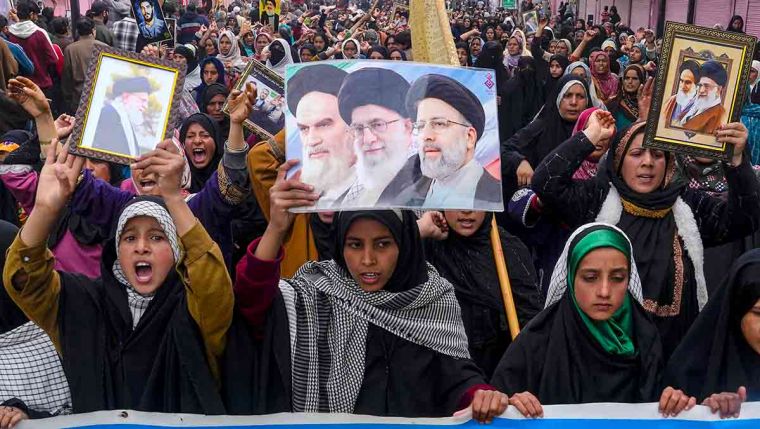
Prime Minister Narendra Modi’s loud silence on the assassination of Iran’s supreme leade.....
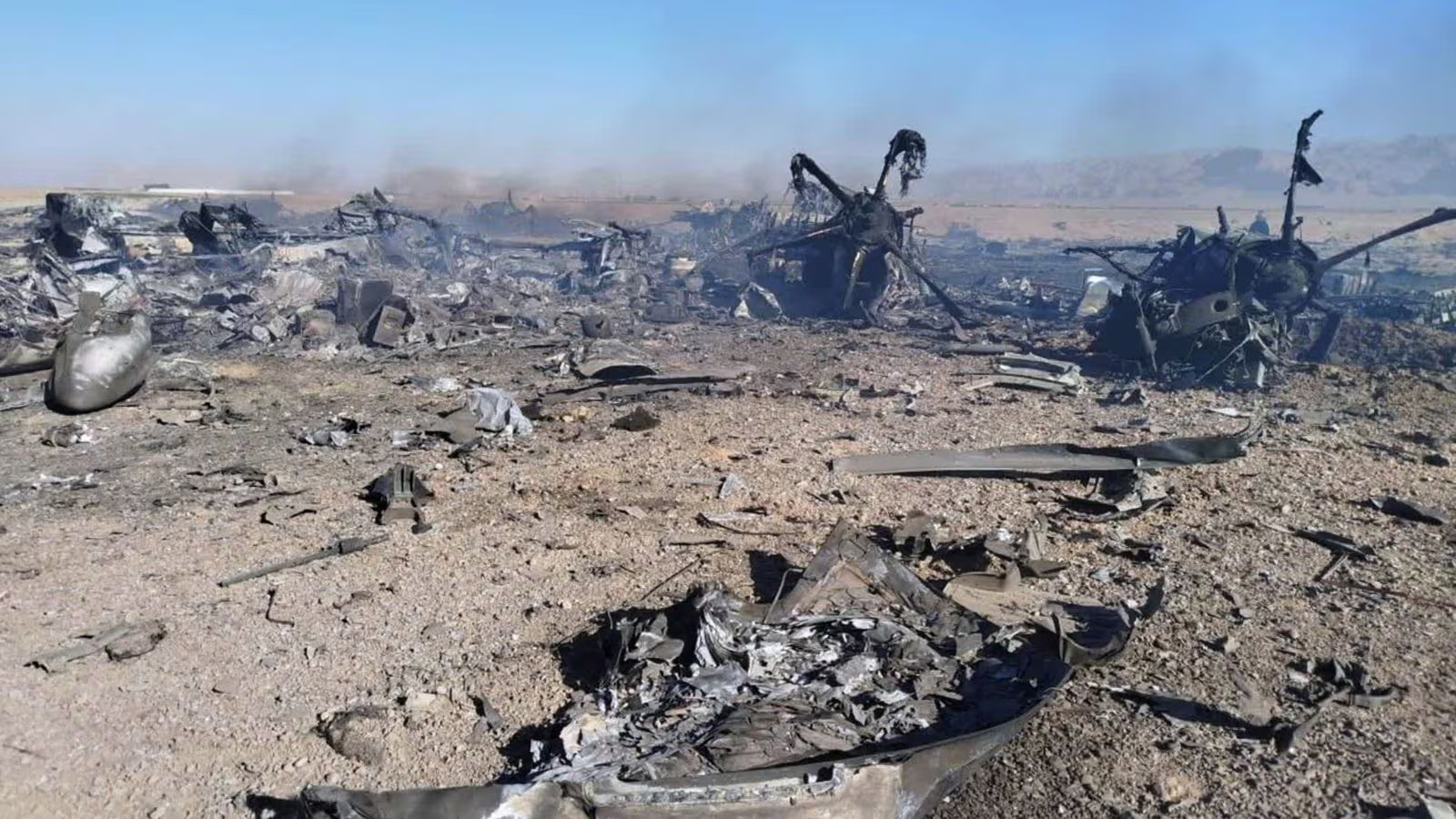
The winner always sets the terms for peace. The world, especially US President Donald Trump, is grap.....
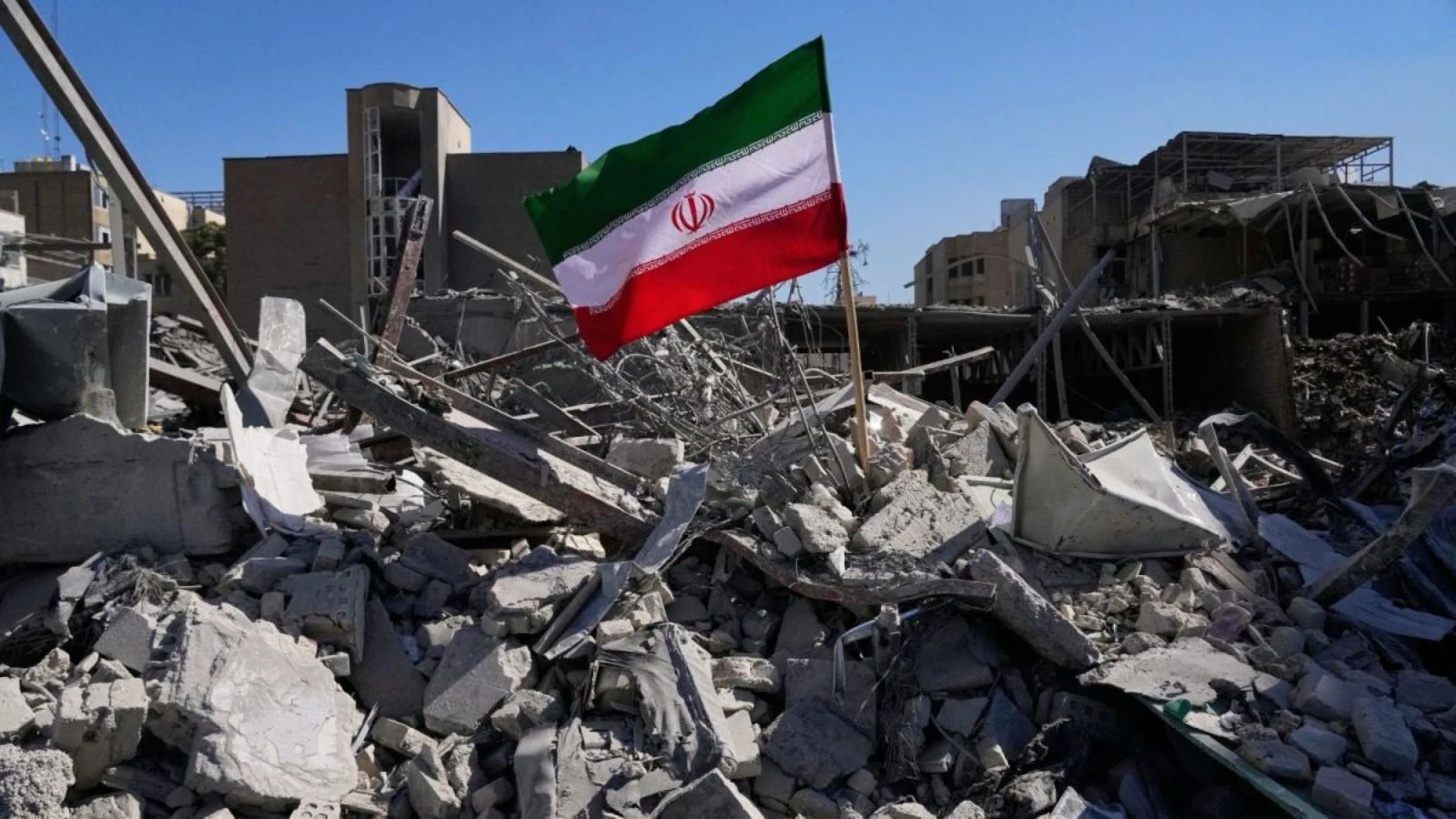
ll three key protagonists — Iran, Israel, and the US — are signallin.....
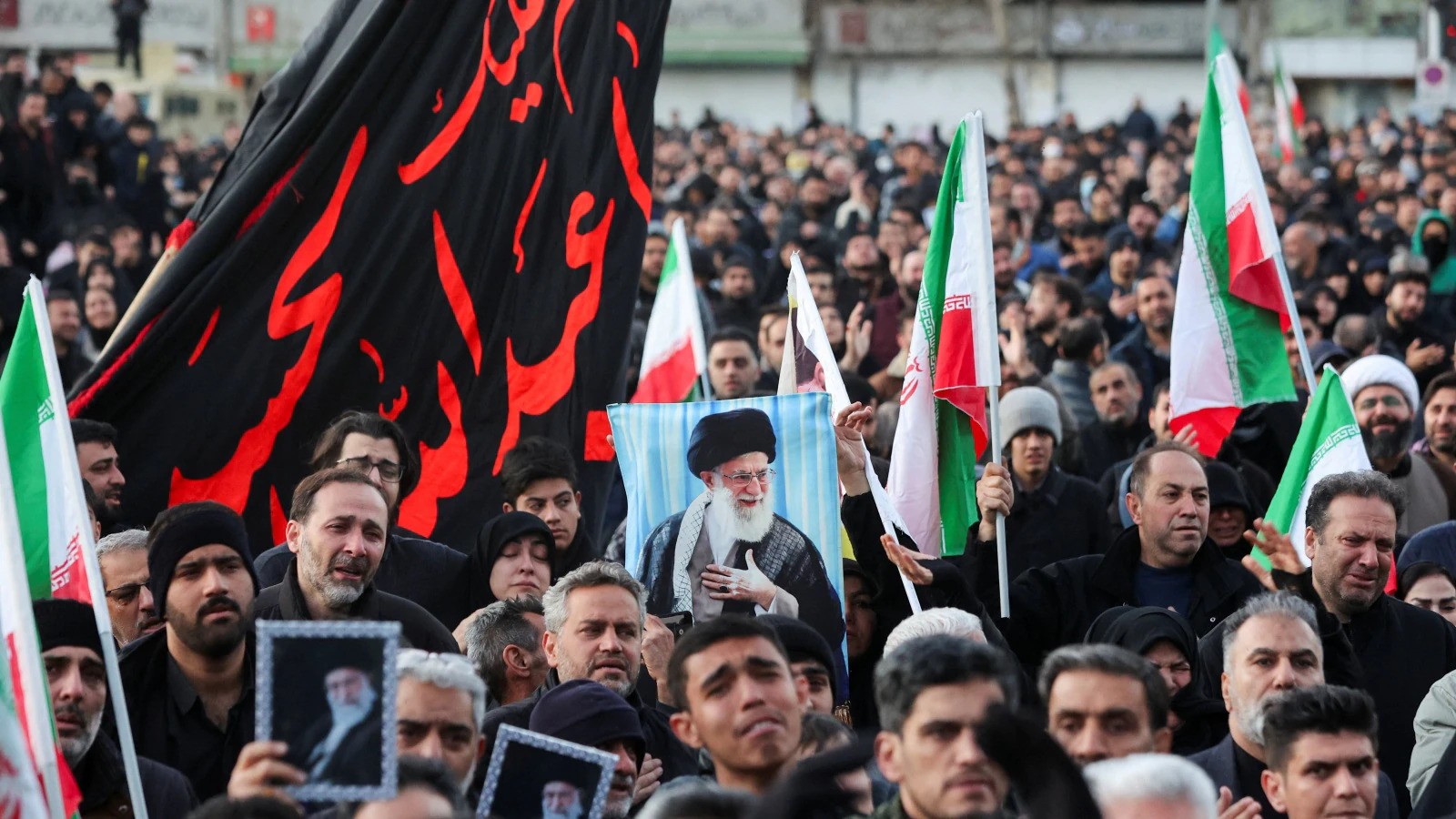
The assassination of the Supreme Leader of the Islamic Republic of Iran, Ayatollah Ali Kha.....
President Donald Trump, never short of rhetorical flourish, has unveiled what he calls a “hist.....
A bizarre adventure that went terribly wrong. The strategic benefits of the September 9 Israeli atta.....
The Ministry of External Affairs recently announced that Paramita Tripathi, from the 2001 batch of t.....
How many Indians are there in the GCC countries? For a long time, this was largely resigned to specu.....
As a growing number of Western states are moving towards recognising the Palestinian State, a powerf.....
As human sufferings in the Gaza Strip show no signs of an early end, India is doggedly committed to .....
Like much of the international community, India was quick to embrace the goals and objectives of the.....
Realpolitik. Pragmatism. Making a virtue out of necessity. Regardless of how one looks at it, the Is.....
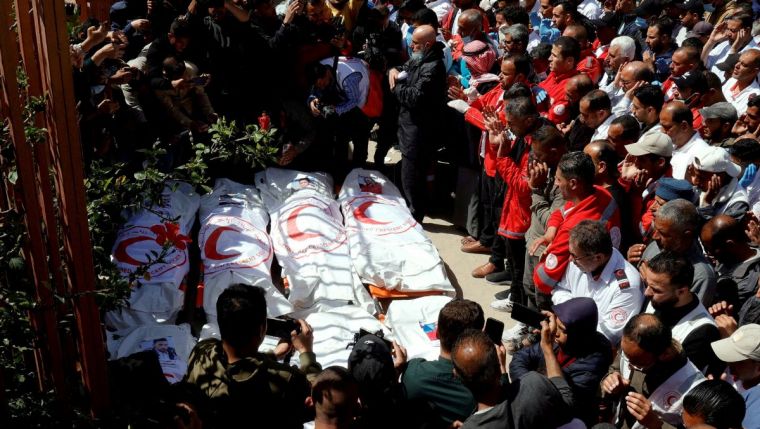
All going well—which is a big IF in the ever-turbulent Middle East—the Gaza ceasefire sh.....
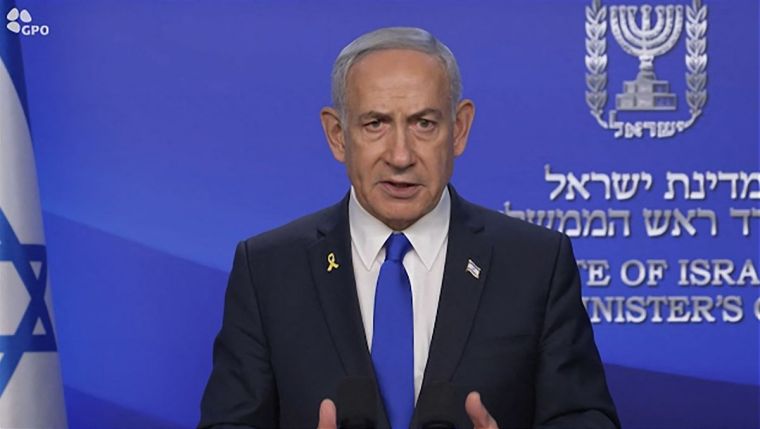
Described as a ‘pre-emptive’ strike, Operation Rising Lion is the first armed conflict I.....
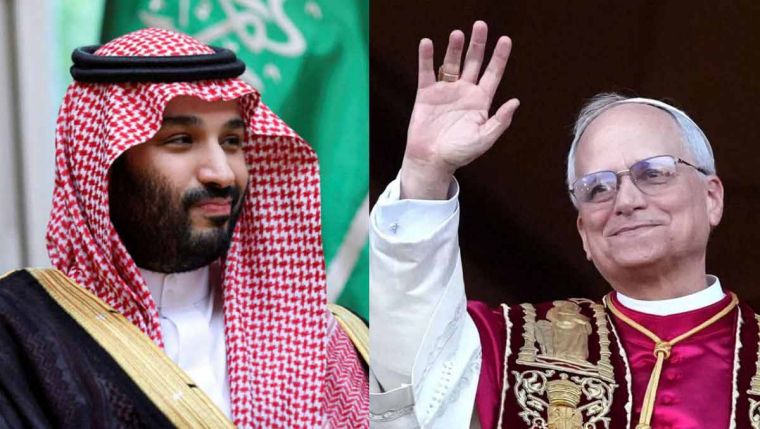
The election of Pope Leo LIV as the successor to Francis, with the participation of a hand full of c.....
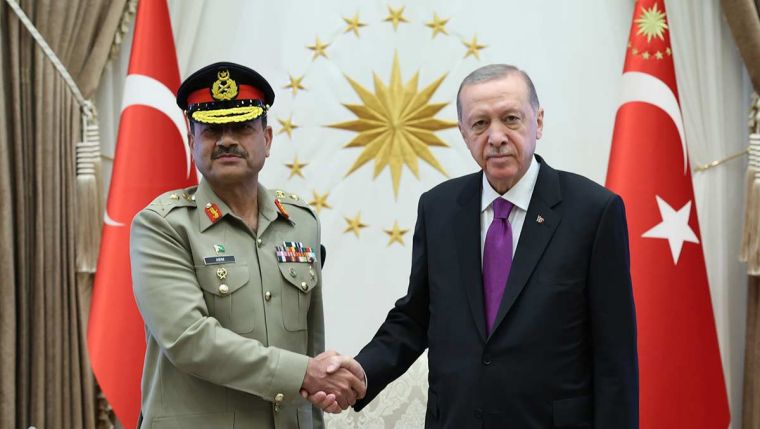
As the fragile ceasefire came into effect on May 10, Türkiye became the focus of the ire of sev.....
It was the first Friday after the Pahalgam terror attack. Along with a group of students of Jawaharl.....
Vanishing. This is the frequent and inevitable expression when discussing the Christians of the Midd.....
THE PAHALGAM TERRORIST attack has highlighted the cleavages in the Middle East on terrorism. In.....
When peace is viewed as ‘surrender’, there is little one can accomplish. Without an effe.....
The magnitude of the missile attack on Israel carried out by Iran in the early hours of Sunday was u.....
While the details are still emerging, the Hamas attacks from the Gaza Strip on Saturday were well pl.....
The Libyan controversy reminds us of the more significant problem facing Israel. While the scale and.....
64-0! It should be an impressive vote in any country, especially in Israel, where a simple parliamen.....
King Bibi is back! After one year in the Opposition, Benjamin Netanyahu, a close friend of Prime Min.....
Political instability is an integral and inseparable part of Israel’s landscape. For the fifth.....
Even by the Israeli standard of coalition fragility, the Bennett-Lapid government, which completed o.....
Soon to enter its fourth month, the Russian invasion of Ukraine has made irreversible damages to glo.....
The visit of Israeli Prime Minister Naftali Bennett to India scheduled for last week had to be cance.....
The drone attack on Abu Dhabi on Monday (January 17) by the Houthi rebels marks a major escalation o.....
Of late, Israel-Iran shadow-boxing has been getting ominous. If Israel’s diplomatic offensive .....
In early November, Moscow hosted Mohammed Dahlan, a former right-hand man of Palestinian leader Yass.....
Nearly three decades after Prime Minister P V Narasimha Rao broke from the past and normalised relat.....
Earlier it was Pakistan and now China. So whatever India does and does not do externally has to be l.....
In several ways, the Taliban takeover of Afghanistan can be a game-changer in India’s worldvie.....
The Taliban takeover and its fallout exposed the limited diplomatic space for India in its immediate.....

Given the travel restrictions, local lockdown and sluggish economic revival, that over three lakh pe.....
Since 2005, some critical decisions over Iran have been taken by the MEA’s US Division. So que.....
“Bibi dethroned”. This is the expression used in the Israeli media to describe the forma.....
Despite having a woman prime minister in Golda Meir, female political representation in Israel has n.....
The most interesting aspect of the new Bennett-Lapid government in Israel is the emergence of Mansou.....
When it comes to mediating international crises, India’s track record is a mixed bag. In recen.....
Going by the Israeli media, it is clear that the arm-twisting by the Biden Administration forced the.....
Indeed, Hamas is better placed today than it was in January 2006 and the current round of violence i.....
While the international community wants de-escalation and an early end to the conflict, the chances .....
Ending the past silence, US President Joe Biden marked the Armenian Genocide Remembrance Day of Apri.....
The visit of Foreign Minister of Bahrain Abdullatif bin Rashid Al Zayani to India during 6-8 April r.....
By posthumously bestowing the Gandhi Peace Prize for 2019 upon Sultan Qaboos of Oman, New Delhi seek.....
Much to the displeasure and discomfort of Saudi Crown Prince Mohammed bin Salman (more widely known .....
The nomination of Robert Malley, a veteran hand in Washington policy circles, as the Special Envoy f.....
The two-day visit of External Affairs Minister S Jaishankar to the United Arab Emirates last week is.....
United Arab Emirates’ (UAE) decision to normalise relations with Israel is the most dramatic e.....
Declaring victory moments after the polling ends has become the hallmark of Benjamin Netanyahu; and .....
Israel went to polls for the 23rd Knesset on 2nd March. The third parliamentary elections within one.....
With possible removal from office hanging over their heads, US President Donald Trump and Israeli Pr.....
US Secretary of State Mike Pompeo’s sudden and unexpected announcement regarding Israeli settl.....
US President Donald Trump’s decision on imposing sanctions on Turkey has rocked the ever-turbu.....
Prime Minister Narendra Modi’s two-day visit to the Kingdom of Saudi Arabia this week highligh.....
Prime Minister Narendra Modi's reported decision to postpone a planned visit to Turkey comes a c.....
With the sole and notable exception of Pakistan, India's relations with the wider Islamic world .....
For a long time, India’s relationship with its extended neighbourhood in the Persian Gulf was .....
The Israeli legislative or Knesset election last week has turned out to be a rerun of the 9 April on.....
Will 2019 see a third Knesset election? This question is going rounds in Israel as it faces the seco.....
When he called Indian Prime Minister Narendra Modi to congratulate on his re-election with a landsli.....
The resounding re-election of Prime Minister Narendra Modi is a blessing for India's relat.....
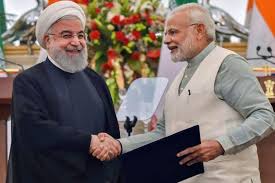
Iran is back in the news and for all the wrong reasons. It has been the unnecessary third .....
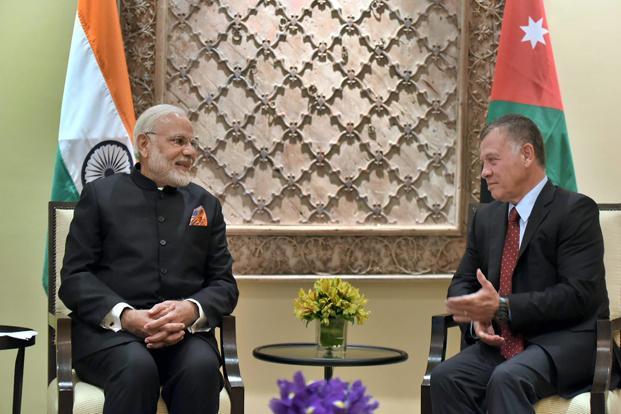
During the close to a century of its existence, the Hashemite Kingdom of Jordan has been, as former .....
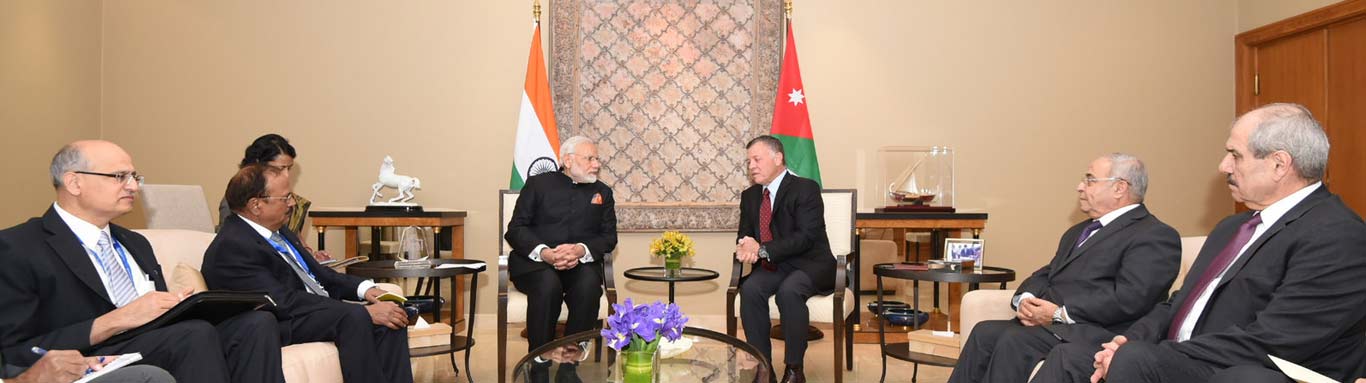
In their eagerness to focus on and flag the de-hyphenation of the traditional Israel-Palestinian bin.....
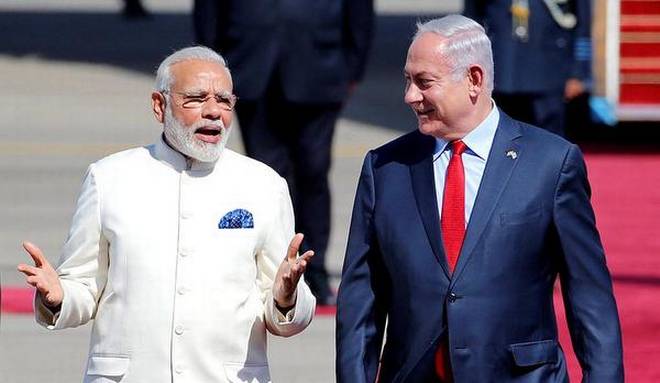
In the closely scrutinised India-Israel relationship, there is little in the public domain that rema.....
You know what, it will go to the dustbin’ my articulate friend was blunt, brutal but.....

Balfour Declaration, A Century Later If one were to make a list of the most influential.....
Professor Bernard Lewis—a towering personality on the Middle Eastern academic landscape—.....
B orn in Poland on 2 August 1923, Szymon Persk who later Hebraised his name as Shimon Peres was the leader.....
W hat What began as a protest by a marginalized vegetable vendor in Sidi Bouzid in Tunisia soon spread lik.....