Breaking

... for openness and credibility....

- MENU
... for openness and credibility....
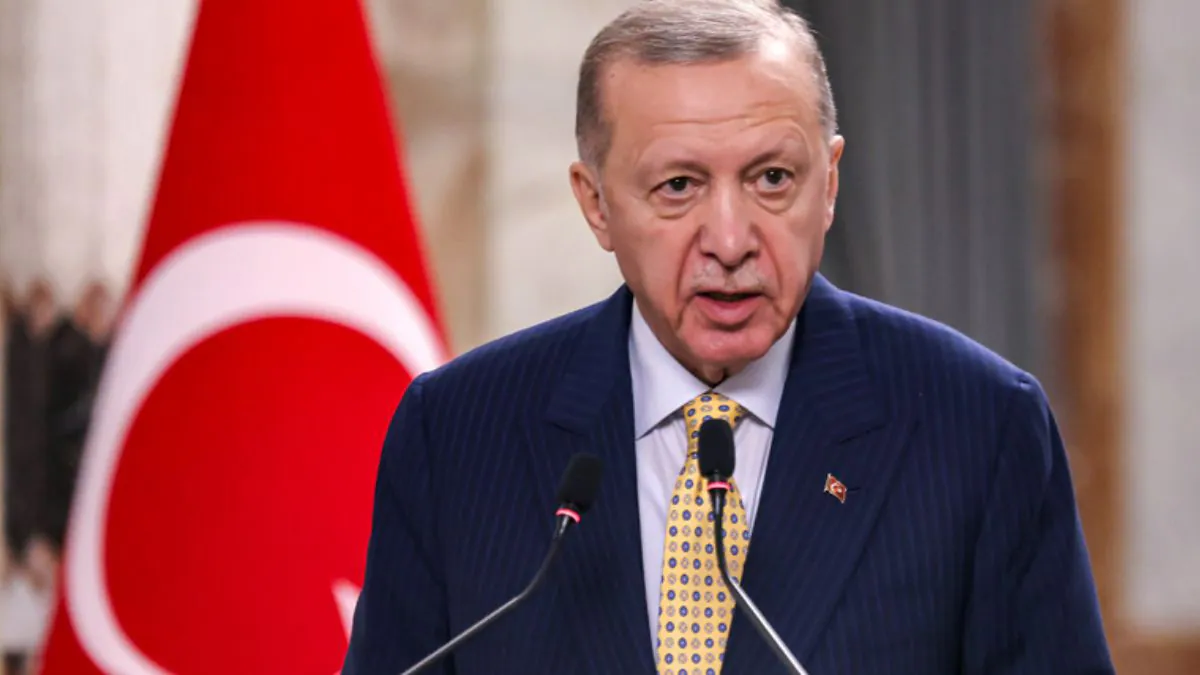
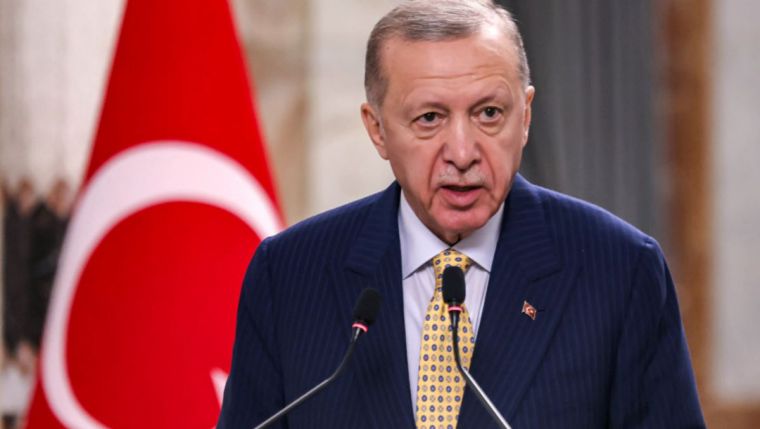
Turkey's ruling Justice and Development Party (AKP) marked its 25th anniversary on 14 August with a rally in Ankara's Ba?kent Nation's Garden, which organisers say drew nearly 100,000 people. President Recep Tayyip Erdo?an told the crowd that the party's biggest achievements still lie ahead, declaring the movement was "just getting started." It was a triumphant note. It also came just three months after a court removed the leadership of Turkey's main opposition party, and riot police cleared its headquarters with tear gas. That juxtaposition is the real story of AKP's anniversary, not the scale of the celebration. Twenty-five years later, AKP is the establishment its founders once ran against.
AKP was born on 14 August 2001, when 74 politicians split from Turkey's Islamist old guard and filed founding papers with the interior ministry. Erdo?an, a former Istanbul mayor, framed the break as the start of something new, not a rebranding of the old religious right. The coalition that carried the party to power in 2002 was broader than its roots suggested. It included business-friendly reformers, EU-accession advocates, Kurdish voters tired of being ignored, and religious conservatives who felt shut out of public life by a rigidly secular establishment. What united them was not ideology so much as grievance, i.e., a shared sense that unelected institutions, not voters, were deciding who governed Turkey.
After gaining power, the coalition implemented a series of reforms that seemed to confirm that first impression. It abolished the death penalty in 2004, opened formal negotiations for EU accession in 2005, and brought runaway inflation from the 1990s under control through years of IMF-backed stabilisation. For some time, the labels of outsider and reformer were the same, and AKP wore both well.
In 2007, the military issued an online memorandum warning against electing Abdullah Gül, an AKP presidential candidate, widely interpreted as asserting the military's role as guardian of Turkey's secular order. In 2008, lawyers sought to ban the party, arguing that it had become the centre of anti-secular activity. Although the court did not ban the party, ten of the 11 judges agreed that the AKP was indeed a focal point for anti-secular activity. What changed over the next decade was not simply the party's political orientation but the institutional environment in which it exercised power.
AKP supporters presented the 2010 constitutional referendum as a democratic effort to curb the military's influence, whereas critics warned that changes to judicial appointments would increase executive influence. After the 2016 coup attempt, emergency rule and mass dismissals further altered the state’s institutional composition. The 2017 constitutional referendum completed the transition from parliamentary government to an executive presidency, concentrating administrative authority and reshaping institutional checks and balances. The institutional mechanisms established during this period, which critics call “consolidation,” formed the backdrop for future electoral challenges.
AKP lost a string of major cities, including Istanbul and Ankara, to the opposition Republican People's Party (CHP) in the 2024 local elections. This marked the party's worst electoral result in over two decades. Following the elections, extensive litigation ensued against opposition figures. Istanbul Mayor Ekrem Imamo?lu was detained in March 2025 on corruption and terror-related charges. Authorities then arrested many more CHP officials and mayors. In May this year, Turkish courts annulled the leadership election of CHP Chairman Özgür Özel due to alleged internal voting irregularities. Critics call this a politically motivated "judicial coup" to weaken the opposition.
None of this makes the AKP's rise or its record as a governing party irrelevant. This is especially true of its infrastructure spending, the growth of defence industries, and the party's electoral dominance. However, a gap remains between rhetoric and daily life. Erdo?an's anniversary remarks dwelledon defense and infrastructure gains but skipped inflation, which has stayed high enough that Türkiye's central bank recently revised its end-2026 inflation forecast from 26 percent to 28 percent. That revision is a reminder that the celebratory framing and the cost of living most Turks are absorbing are not quite telling the same story. Above all, the opposition and critics of the AKP in the country and beyond continue to question how a movement that once opposed concentrated institutional power has, over two decades, come to hold and exercise that same power.
The unresolved question hanging over the celebration is what happens next. AKP has never undergone a durable leadership transition away from Erdo?an. With the 72-year-old president's health and the absence of any tested succession mechanism, names like his son-in-law, Selçuk Bayraktar, and Foreign Minister Hakan Fidan are already being discussed as possible successors. That transition, whenever it comes, will be the party's next real test of whether the system it built survives without the man who built it.
Mohammed Shoaib Raza is a doctoral candidate at the Centre for West Asian Studies, Jawaharlal Nehru University, New Delhi.
Note: This article was originally published in The Week on 16 August 2026 and has been reproduced with the permission of the author. Web Link
As part of its editorial policy, the MEI@ND standardizes spelling and date formats to make the text uniformly accessible and stylistically consistent. The views expressed here are those of the author and do not necessarily reflect the views/positions of the MEI@ND. Editor, MEI@ND: P R Kumaraswamy

Mohammed Shoaib Raza is a doctoral candidate at the Centre for West Asian Studies, Jawaharlal Nehru University, New Delhi
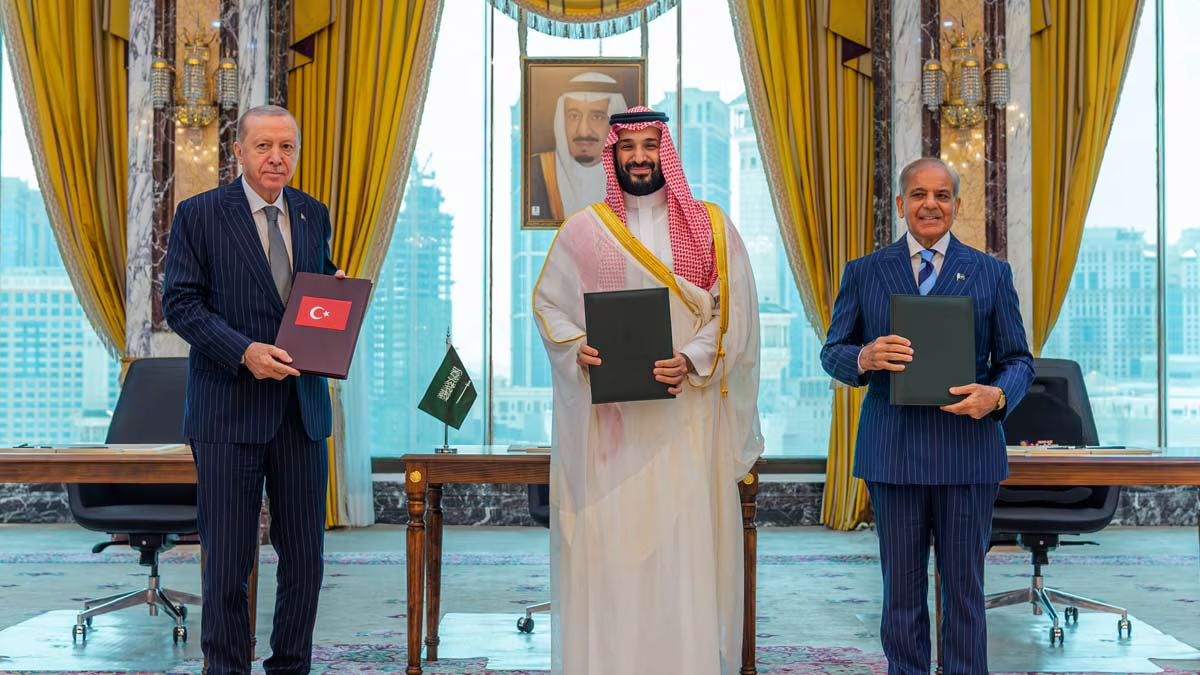
When Saudi Arabia, Türkiye, and Pakistan signed their trilateral defence pact in Mecca on Augus.....

On the morning of 23 July, as Jews observed Tisha B'Av, the annual fast mourning the destruction.....
Environmental concerns are often expressed in secular terms, such as economics, policy, or technolog.....
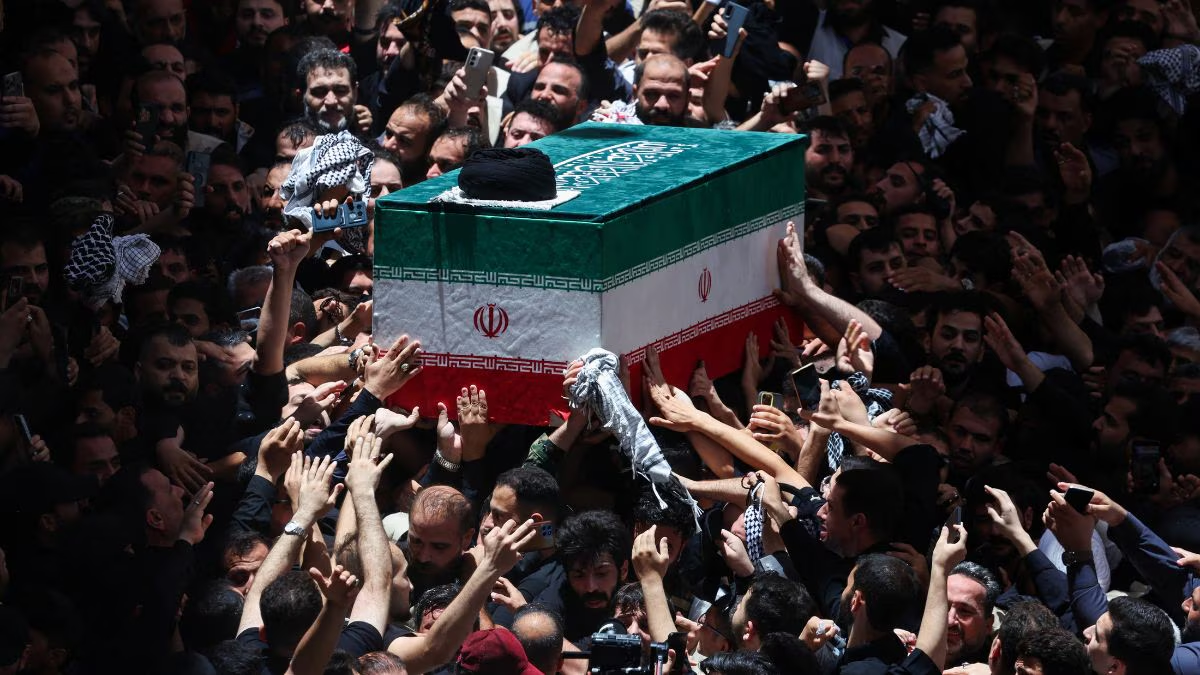
State funerals have long served as highly staged arenas for funeral diplomacy, where non-verbal comm.....
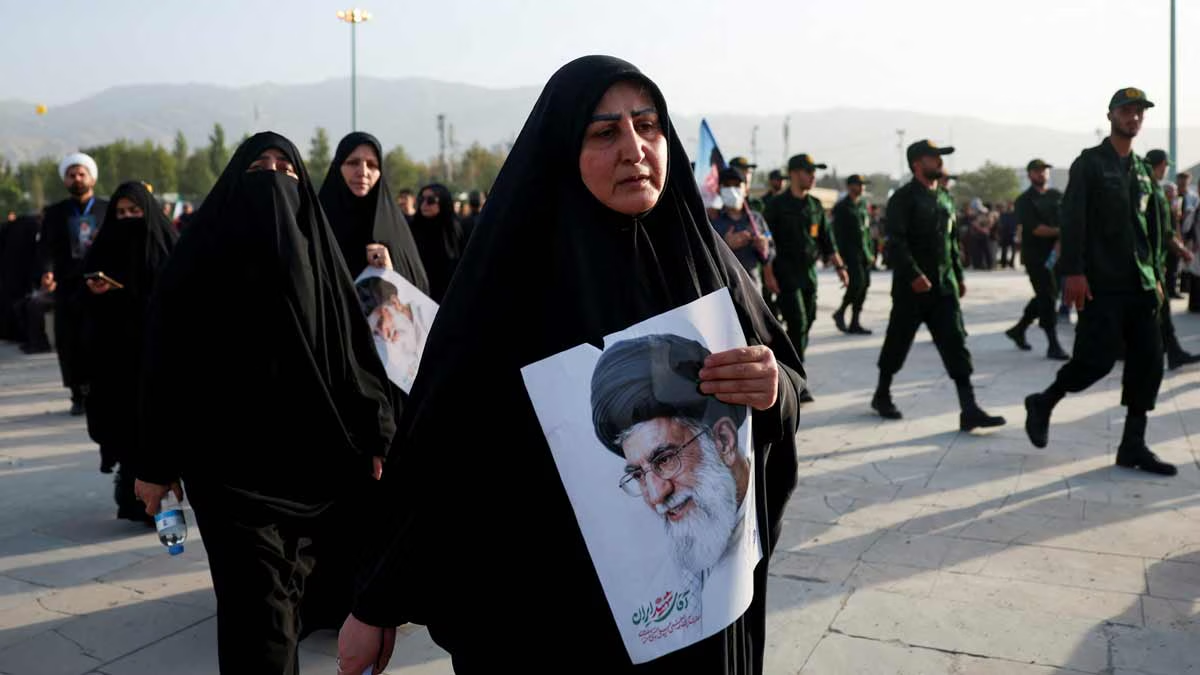
The multi-day state funeral of Ayatollah Ali Khamenei, which began in Tehran on July 3, four months .....
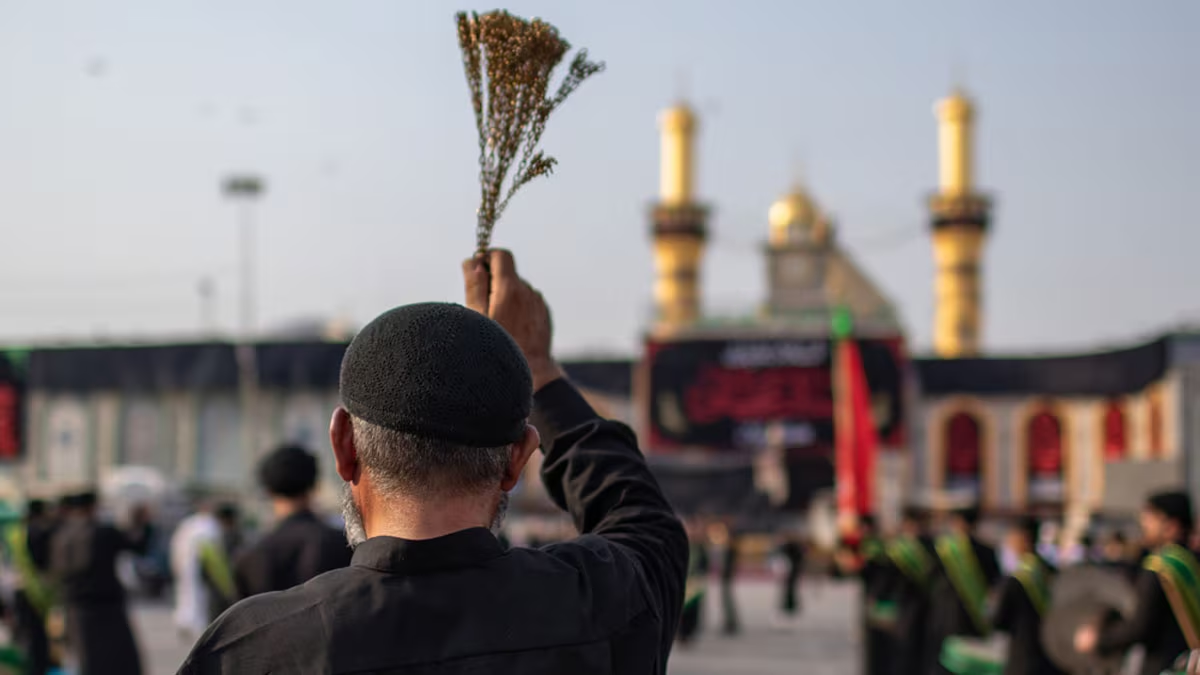
This year marked the 1366th lunar anniversary (1366 AH) of the Battle of Karbala, fought in 680 CE (.....

Today, debates about artificial intelligence (AI) are often preoccupied with questions of bias, algo.....
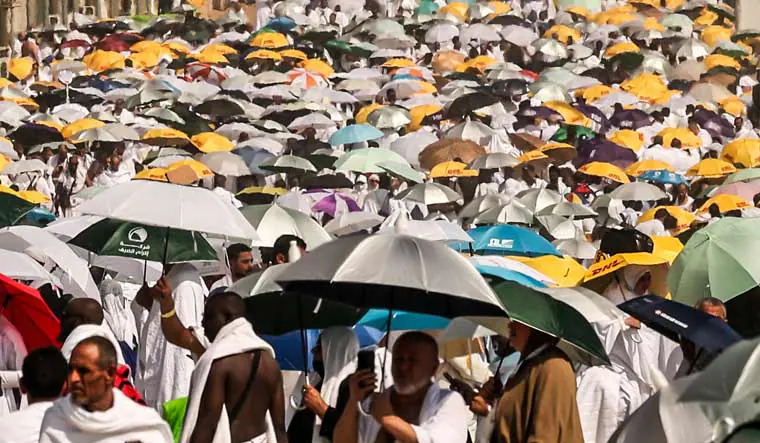
The just-concluded annual Muslim pilgrimage, Hajj, has long been a symbol of communal unity, drawing.....
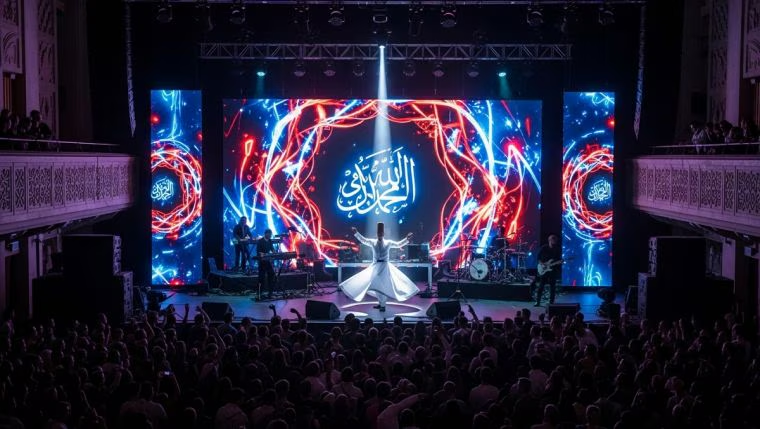
Across the cities of the Middle East, from Cairo to Casablanca, a sound is currently reshaping youth.....

In the Middle East, the sociopolitical landscape has undergone a noticeable digital transformation i.....
The Shia community observes Arba’een, the traditional fortieth day of mourning for the m.....
During the ongoing Iran conflict, the Kashmir Valley saw a massive grassroots donation drive. Report.....
In an unexpected move, the Al-Aqsa Mosque was closed this Eid al-Fitr, marking the first time since .....
On March 8, the Islamic Republic of Iran reached a historic moment that defined the practical .....
One of the recently released documents from the US Department of Justice, made public under the Epst.....
Atwi Atwi, a high-portfolio official of Al-Jama’a al-Islamiya (AJI) and a former mayor of a mu.....
On January 29, the European Union (EU) designated the Islamic Revolutionary Guard Corps (IRGC) as a .....

The social media and news outlets have lately been flooded with news and the latest updates from the.....
On December 26, at least eight people, who were part of the Friday congregation prayers, were killed.....
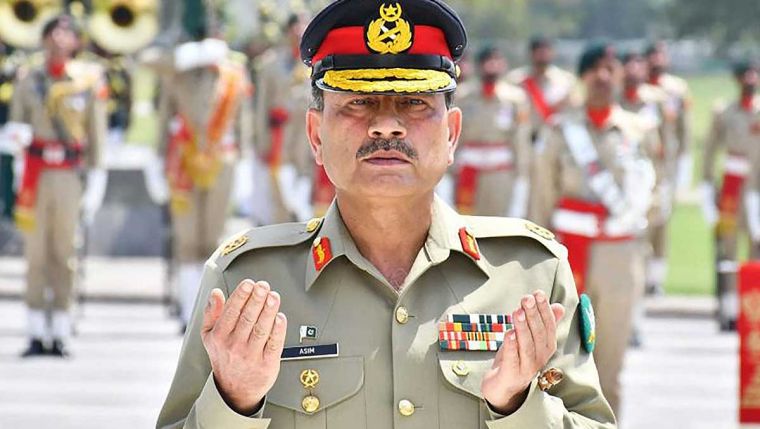
During the recent National Ulema and Mashaikh Convention in Islamabad on December 10, Chief of the A.....
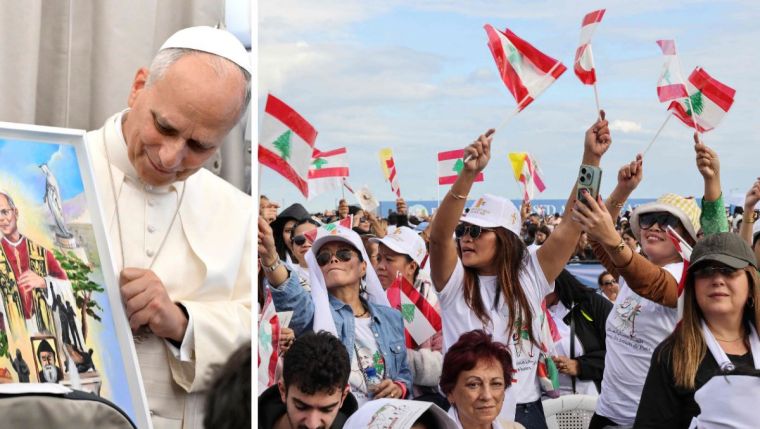
With the three-day visit to Beirut, Lebanon, Pope Leo XIV concluded his first international visit si.....

Discussions regarding the nature of Iranian nationalism and its expression by the Islamic Repu.....
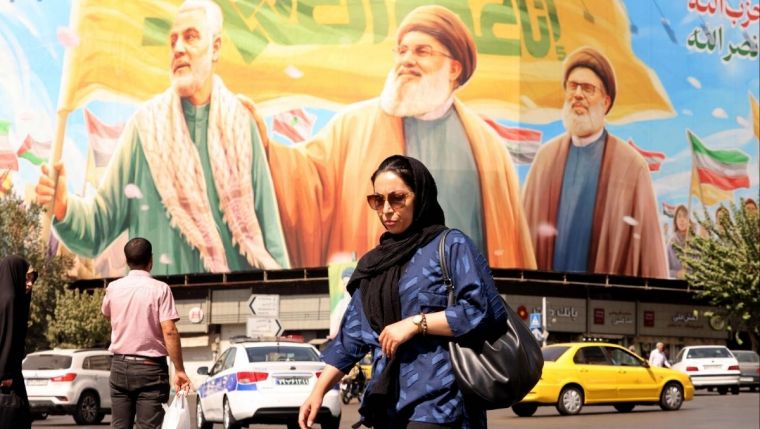
In recent weeks, the Israel Defence Forces (IDF) have escalated its military operations in sou.....
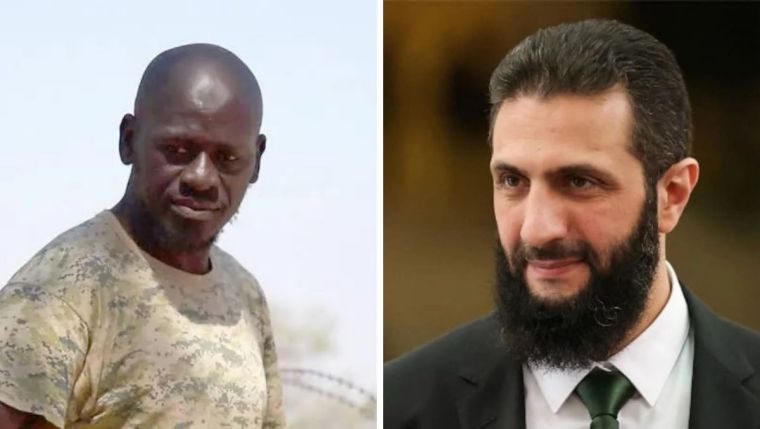
Last Tuesday, the Syrian security forces launched a major operation in the Idlib Province against th.....
Last Wednesday, the State Security Court of Jordan handed down prison sentences of varying lengths t.....
International relations pundits were quick in relegating the joint communiqué of the Emergenc.....
In addition to several geopolitical considerations, religion is a necessity for the major powers in .....