Breaking

... for openness and credibility....

- MENU
... for openness and credibility....
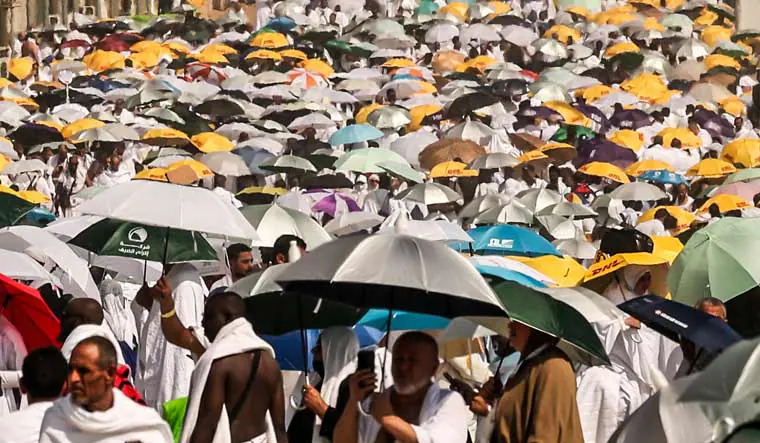
The just-concluded annual Muslim pilgrimage, Hajj, has long been a symbol of communal unity, drawing over a million believers to the shared sacred cities of Mecca and Medina in Saudi Arabia. Managing this immense and organic convergence of people has historically presented monumental logistical, public health, and security challenges. In this context, the recently concluded 1447 AH (Gregorian: 2026) pilgrimage season marked the culmination of a technological shift. The movements of more than 1.7 million pilgrims were integrated into a sophisticated digital infrastructure that utilised real-time Artificial Intelligence (AI) crowd-control algorithms, automated health-screening networks, and mandatory smart-tracking applications. As such, this event needs to be seen beyond simple metrics of administrative efficiency.
The scale of this technological integration offers an alternative view of the critical “biopolitics” framework, which explains how modern states regulate and control human populations by managing life itself. This is because, through certain seemingly contested mechanisms, modern institutions not only regulate and optimise but also protect populations by systematically managing physical bodies.
For instance, through the datafication of pilgrims’ bodies, the state also seeks comprehensive risk mitigation. Whether it is monitoring body temperatures or analysing movement vectors to prevent fatal crowd bottlenecks, the state effectively operationalises. biopolitical governance to ensure human safety in an environment characterised by extreme density. In this way, a believer is integrated into a larger algorithmic network in which personal safety is maintained through continuous, systemic visibility, thereby demonstrating how modern administrative states can align advanced surveillance technologies with the humanitarian imperatives of public health and disaster prevention.
This systematic organisation of populations takes on a spatial dimension within the pilgrimage. In his important work The Production of Space, the sociologist Henri Lefebvre posits that space is not just a passive physical void. It is a social product actively produced, ordered, and conceived by administrative powers to serve a specific function within a
system. In the past, the Hajj had organic, spontaneous spatial dynamics, in which millions from different social categories moved with little structure. At present, the state creates a highly recommended “sacred” space that is fully coordinated and optimised.
This is made possible by advanced digital zoning. This spatial engineering was especially evident this season through the implementation of fixed, algorithmic scheduling and digital permit platforms. Instead of being a mass of moving pilgrims, the pilgrims were divided into fixed, programmed groups. They moved along specific corridors at specific intervals. Digital visa limits and automated checkpoints also controlled access to the holy sites, smoothing peak congestion that had historically caused logistical stress.
Similarly, the development of digital protocols reshapes the institutional frameworks governing pilgrimage. The “state of exception” is evident in this transition, in which once-specialised administrative measures introduced for public health or security reasons become internalised as a permanent normative shift. New forms of digital checks, online monitoring, and platform-based approvals were being standardised after being introduced as temporary emergency measures in the aftermath of external events, such as COVID-19 or past responses to stampedes.
As a result, the character of institutional mediation at the sacred site has changed. In the past, the personal pilgrimage experience was guided by local guides (mutawifs), family networks, and decentralised clerical traditions. Today, the ritual is mediated primarily through the state’s digital platforms and algorithmic criteria. The state secures a centralised, rationalised form of sovereign power by controlling the digital infrastructure that determines access, timing, and movement. This digital mediation guarantees complete operational homogeneity throughout the season; the state apparatus is thus positioned not simply as the physical protector of the holy sites, but rather as the key logistical operator of the contemporary devotional mode.
This digital organisation automatically standardises the ritual's spatial and communal rhythms. Moreover, it provides a framework for risk mitigation and ensures the preservation of life amid unprecedented densities on earth. The digitalisation of the sacred space does not detract from the pilgrimage’s spiritual value but rather redefines its structure. The modern administrative state enshrines a new religious custodian who values the preservation of sacred geography, calibrated through algorithmic data management of human data points.
Mohammed Shoaib Raza is a doctoral candidate at the Centre for West Asian Studies, Jawaharlal Nehru University, New Delhi.
Note: This article was originally published in The Week on 17 June 2026 and has been reproduced with the permission of the author. Web Link
As part of its editorial policy, the MEI@ND standardizes spelling and date formats to make the text uniformly accessible and stylistically consistent. The views expressed here are those of the author and do not necessarily reflect the views/positions of the MEI@ND. Editor, MEI@ND: P R Kumaraswamy
Mohammed Shoaib Raza is a doctoral candidate at the Centre for West Asian Studies, Jawaharlal Nehru University, New Delhi
Turkey's ruling Justice and Development Party (AKP) marked its 25th anniversary on 14 August wit.....
When Saudi Arabia, Türkiye, and Pakistan signed their trilateral defence pact in Mecca on Augus.....
On the morning of 23 July, as Jews observed Tisha B'Av, the annual fast mourning the destruction.....
Environmental concerns are often expressed in secular terms, such as economics, policy, or technolog.....
State funerals have long served as highly staged arenas for funeral diplomacy, where non-verbal comm.....
The multi-day state funeral of Ayatollah Ali Khamenei, which began in Tehran on July 3, four months .....
This year marked the 1366th lunar anniversary (1366 AH) of the Battle of Karbala, fought in 680 CE (.....

Today, debates about artificial intelligence (AI) are often preoccupied with questions of bias, algo.....
Across the cities of the Middle East, from Cairo to Casablanca, a sound is currently reshaping youth.....

In the Middle East, the sociopolitical landscape has undergone a noticeable digital transformation i.....
The Shia community observes Arba’een, the traditional fortieth day of mourning for the m.....
During the ongoing Iran conflict, the Kashmir Valley saw a massive grassroots donation drive. Report.....
In an unexpected move, the Al-Aqsa Mosque was closed this Eid al-Fitr, marking the first time since .....
On March 8, the Islamic Republic of Iran reached a historic moment that defined the practical .....
One of the recently released documents from the US Department of Justice, made public under the Epst.....
Atwi Atwi, a high-portfolio official of Al-Jama’a al-Islamiya (AJI) and a former mayor of a mu.....
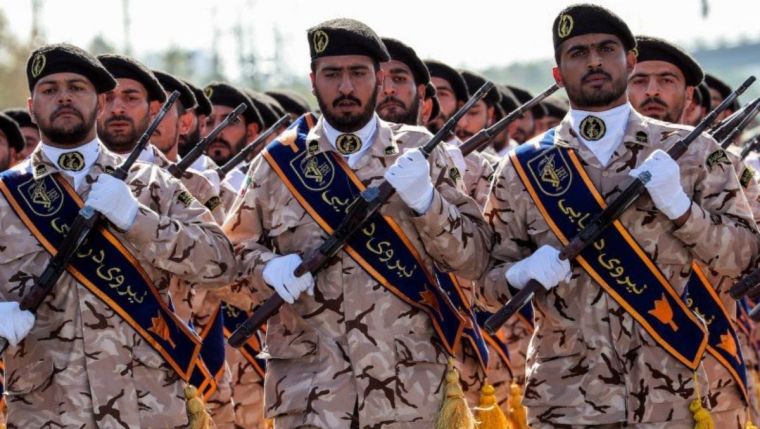
On January 29, the European Union (EU) designated the Islamic Revolutionary Guard Corps (IRGC) as a .....

The social media and news outlets have lately been flooded with news and the latest updates from the.....
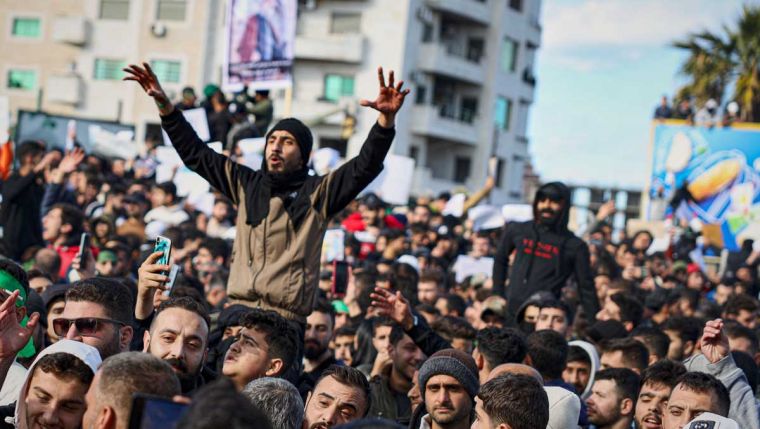
On December 26, at least eight people, who were part of the Friday congregation prayers, were killed.....
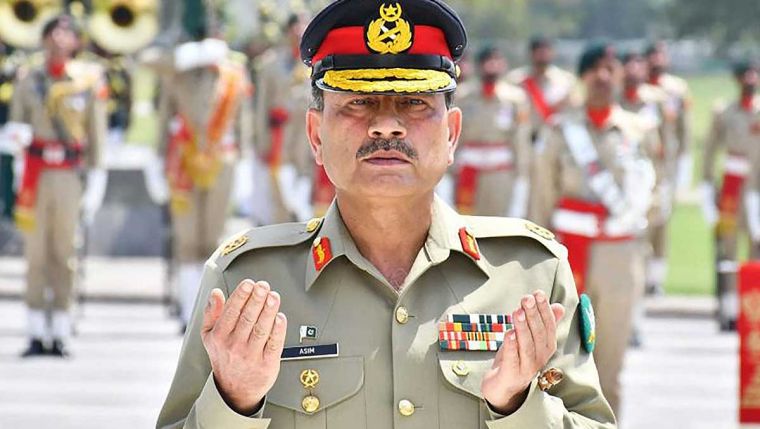
During the recent National Ulema and Mashaikh Convention in Islamabad on December 10, Chief of the A.....
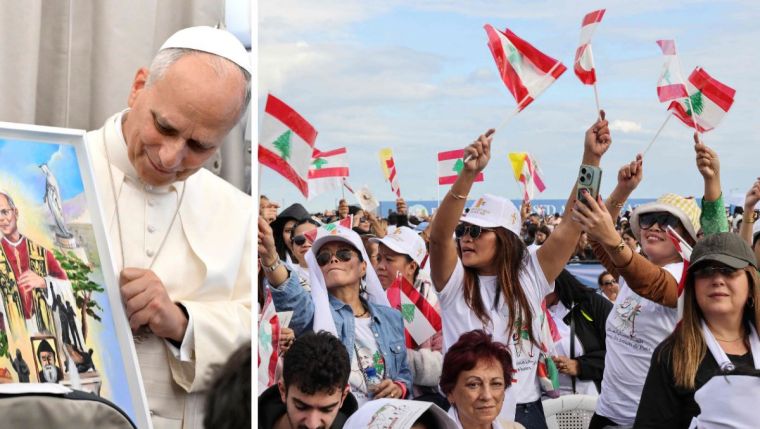
With the three-day visit to Beirut, Lebanon, Pope Leo XIV concluded his first international visit si.....

Discussions regarding the nature of Iranian nationalism and its expression by the Islamic Repu.....
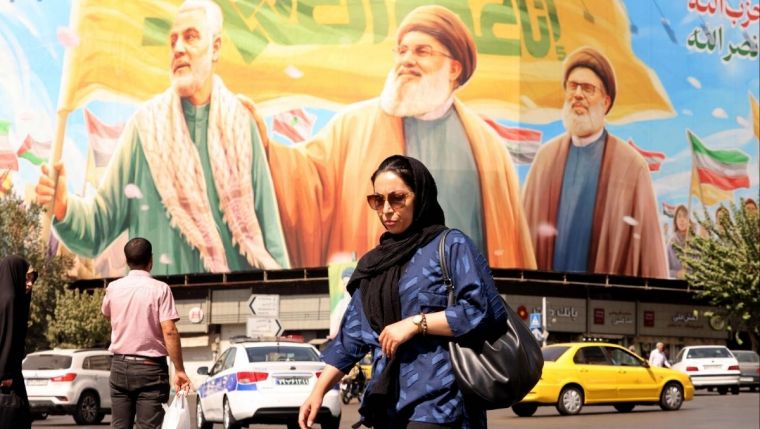
In recent weeks, the Israel Defence Forces (IDF) have escalated its military operations in sou.....
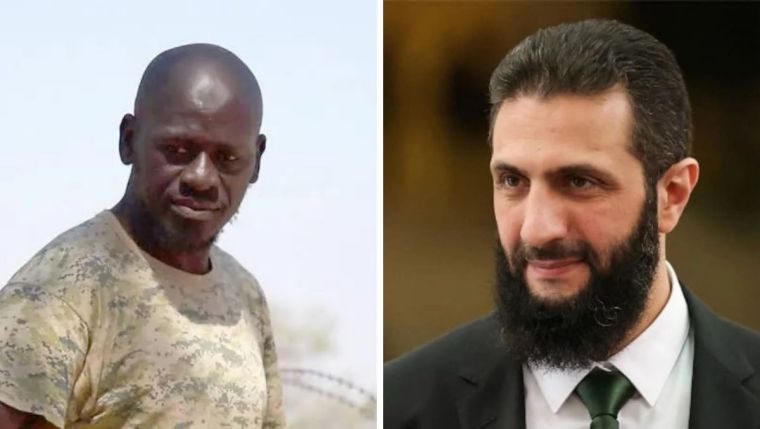
Last Tuesday, the Syrian security forces launched a major operation in the Idlib Province against th.....
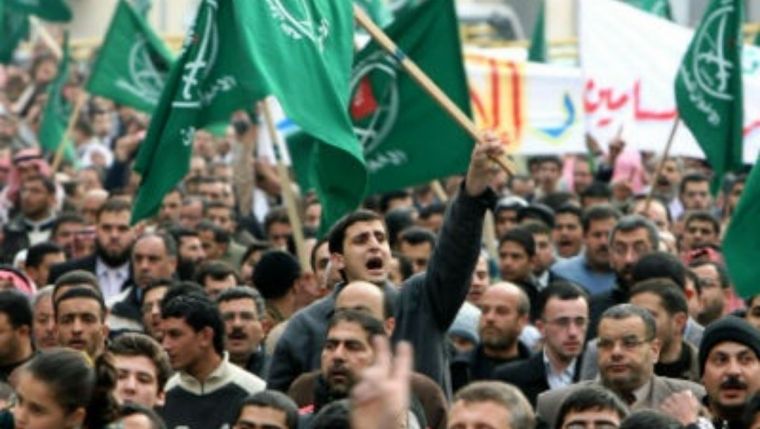
Last Wednesday, the State Security Court of Jordan handed down prison sentences of varying lengths t.....
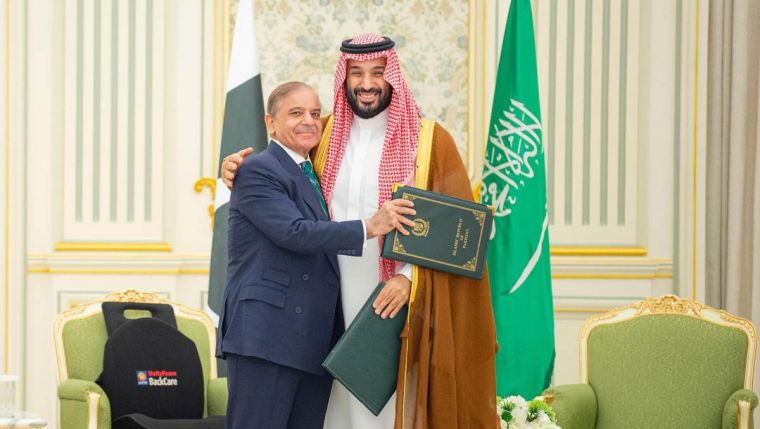
International relations pundits were quick in relegating the joint communiqué of the Emergenc.....
In addition to several geopolitical considerations, religion is a necessity for the major powers in .....