Breaking

... for openness and credibility....

- MENU
... for openness and credibility....
Environmental concerns are often expressed in secular terms, such as economics, policy, or technology. However, a distinct body of thought, often referred to as eco-Islamism, situates these concerns within an Islamic theological framework. Advocates of this framework reject the contemporary secular assumption of humanity's dominion over nature. Eco-Islamism is notably grounded in the writings of Seyyed Hossein Nasr, Ibrahim Özdemir, Fazlun Khalid, Richard Foltz, and others, who argue that caring for the environment is intrinsic to Islam and not a modern idea born of the climate crisis. These works emphasise Quranic ideas in which nature is understood as everything in existence emanating from God, maintaining a cosmic balance that humans must protect. This perspective frames ecological degradation not merely as an environmental crisis but as a moral and spiritual failure, making environmental conservation an integral component of religious responsibility. Advocates of these ideas argue that environmental responsibility should be understood as one of the religious obligations.
In recent times, this framework has moved beyond academic and theological discussion. This is now being reflected in infrastructure projects in parts of the Middle East, most visibly in the retrofitting of mosques with renewable energy systems.
The mosque has become a notable site for this kind of intervention, in part because of its role in daily communal life, with observant Muslims typically visiting for prayer up to five times a day. This visibility has led several governments in the region to use mosque retrofits to demonstrate renewable energy adoption at a local, publicly observable scale.
The large domed prayer halls of mosque architecture have specific energy requirements in dry, hot climates. Building performance data from the Middle East indicate that heating, ventilation, and air conditioning (HVAC) systems account for between 37 and 55 per cent of a mosque’s total electricity consumption. The demand for heated water for ritual washing (wudu) continually adds to the burden, along with lighting and sound systems. The goal of solarisation projects in this regard is to mitigate these costs and lower the carbon footprint of such religious institutions funded by the municipality.
Jordan is one of the earlier examples of this policy approach. Facing chronic water scarcity, the country historically imports an estimated 96 per cent of its energy needs. The country initiated a mosque solarisation programme in 2016 through a partnership between the Ministry of Awqaf and Islamic Affairs and the Jordan Renewable Energy and Energy Efficiency Fund. The scheme was subsequently extended to hundreds of government-controlled mosques. The Nazzal Grand Mosque in Amman is one documented case. It is fitted with a 61.2 kilowatt-peak rooftop solar array; the mosque reportedly generates all its own electricity and, under a net-metering arrangement, supplies surplus power to the national grid.
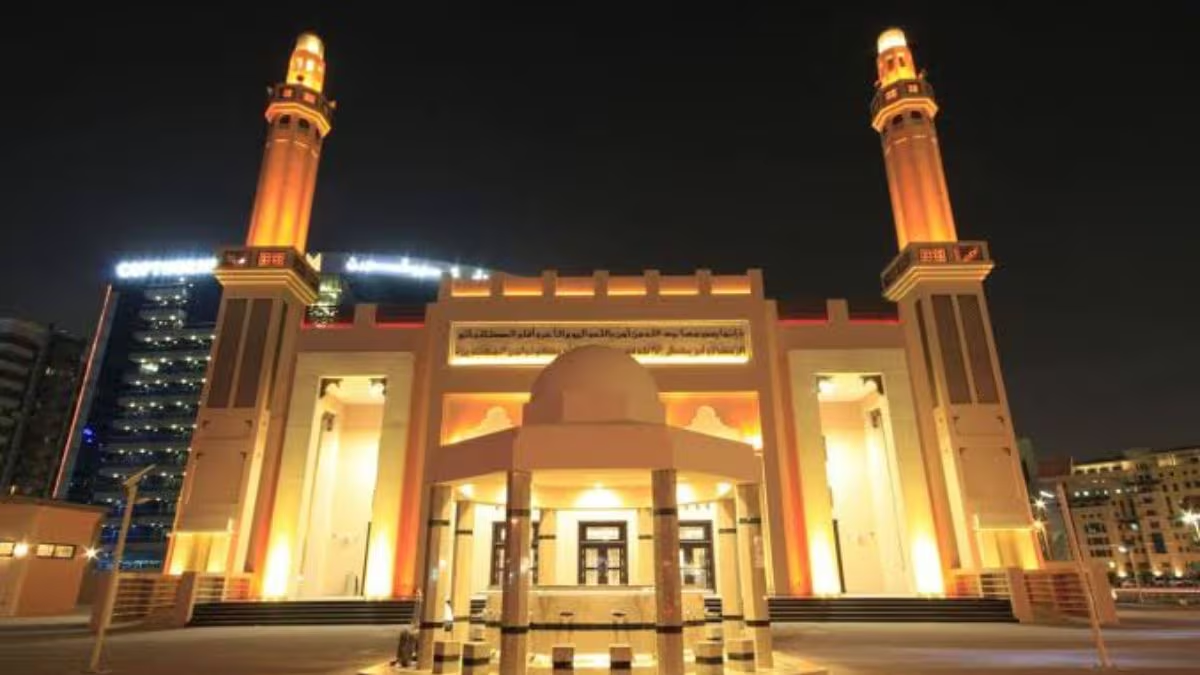
According to available figures, this cut the mosque’s electricity bill from around 1,000 Jordanian dinars (US$1,400) to zero per month. Programme administrators have advanced the model as a way to limit demand on the national grid across a greater number of sites. The UAE has taken a slightly different approach in yet another case. They have been implementing environmental design standards for mosque construction from the start, rather than relying solely on retrofits. The Al Tajer Mosque in Deira, Dubai, has been described as the region’s first LEED (Leadership in Energy and Environmental Design) certified mosque. The new facility, at 4,180 square meters and capable of accommodating 3,500 worshippers, includes several environmentally friendly design features. For instance, solar panels on the roof provide power for the indoor and outdoor LED lighting.
Furthermore, these systems are integrated with a smart-building management system featuring zone thermostats and motion sensors. Additionally, the building envelope's insulation quality is estimated to reduce energy consumption for heating, ventilation, and air conditioning (HVAC) by 20 to 25 per cent. In addition, a greywater system treats water used for washing before it is directed towards the landscaping, helping reduce the use of potable water for that purpose.
The examples of Jordan and the UAE show that religious institutions can serve as practical sites for deploying renewable energy, especially when they are both energy-intensive and central to community life. For supporters of eco-Islamism, embedding renewable energy within religious practice, rather than presenting sustainability as an externally driven policy agenda, can lead to greater public acceptance and long-term community engagement. In this sense, mosques become more than places of worship. They also emerge as spaces where Islamic ethical principles are translated into tangible environmental practices. While the long-term impact of such initiatives remains to be seen, the convergence of faith, architecture, and sustainable technology can likely play a role in broader climate action across the Middle East.
Mohammed Shoaib Raza is a doctoral candidate at the Centre for West Asian Studies, Jawaharlal Nehru University, New Delhi.
Note: This article was originally published in The Week on 15 July 2026 and has been reproduced with the permission of the author. Web Link
As part of its editorial policy, the MEI@ND standardizes spelling and date formats to make the text uniformly accessible and stylistically consistent. The views expressed here are those of the author and do not necessarily reflect the views/positions of the MEI@ND. Editor, MEI@ND: P R Kumaraswamy

Mohammed Shoaib Raza is a doctoral candidate at the Centre for West Asian Studies, Jawaharlal Nehru University, New Delhi
Turkey's ruling Justice and Development Party (AKP) marked its 25th anniversary on 14 August wit.....
When Saudi Arabia, Türkiye, and Pakistan signed their trilateral defence pact in Mecca on Augus.....

On the morning of 23 July, as Jews observed Tisha B'Av, the annual fast mourning the destruction.....
State funerals have long served as highly staged arenas for funeral diplomacy, where non-verbal comm.....
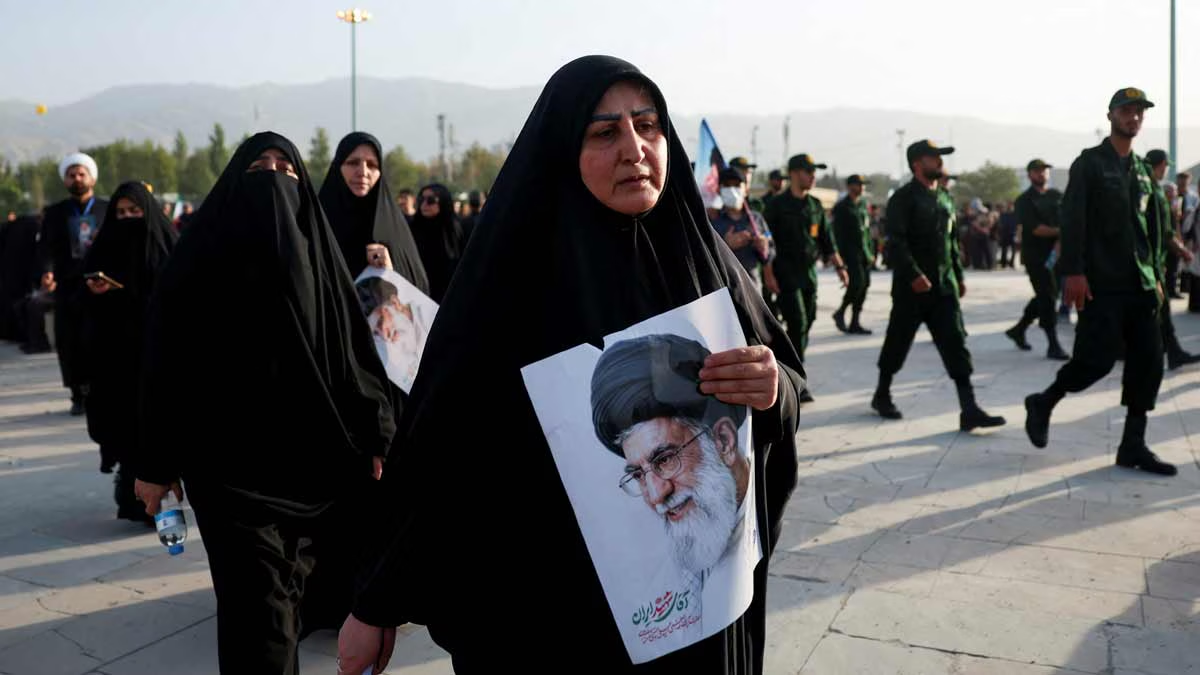
The multi-day state funeral of Ayatollah Ali Khamenei, which began in Tehran on July 3, four months .....
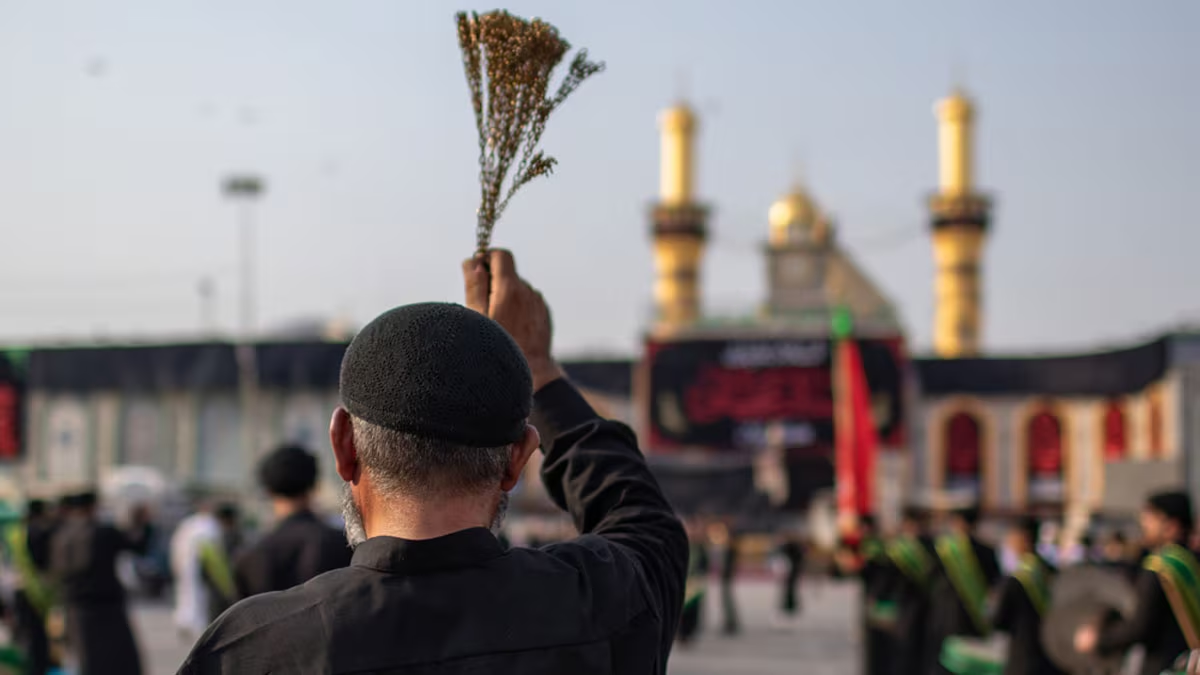
This year marked the 1366th lunar anniversary (1366 AH) of the Battle of Karbala, fought in 680 CE (.....

Today, debates about artificial intelligence (AI) are often preoccupied with questions of bias, algo.....
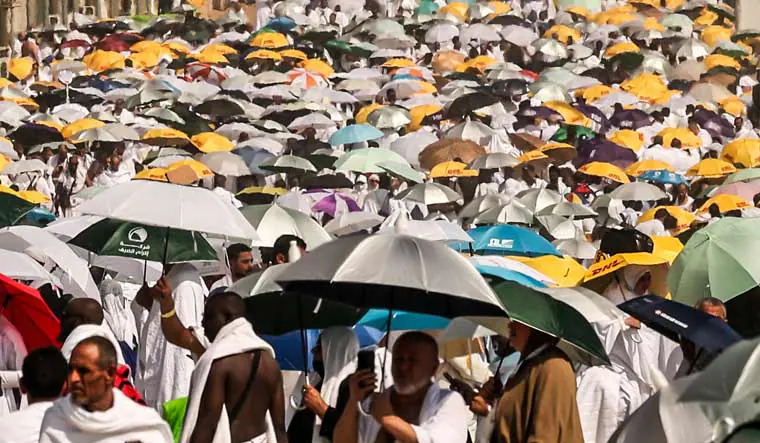
The just-concluded annual Muslim pilgrimage, Hajj, has long been a symbol of communal unity, drawing.....
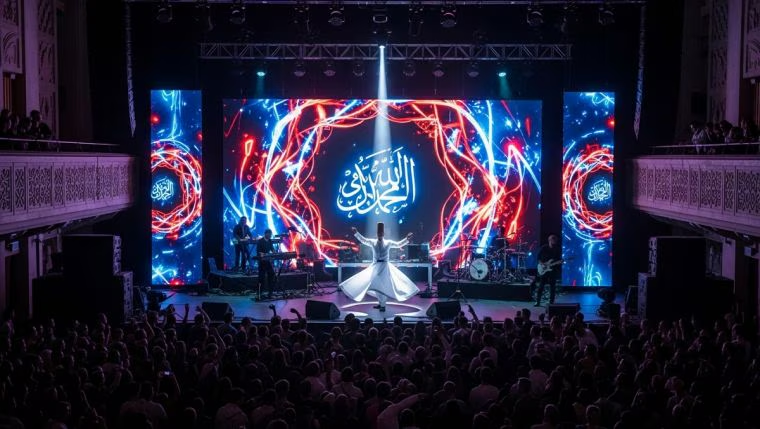
Across the cities of the Middle East, from Cairo to Casablanca, a sound is currently reshaping youth.....

In the Middle East, the sociopolitical landscape has undergone a noticeable digital transformation i.....
The Shia community observes Arba’een, the traditional fortieth day of mourning for the m.....
During the ongoing Iran conflict, the Kashmir Valley saw a massive grassroots donation drive. Report.....
In an unexpected move, the Al-Aqsa Mosque was closed this Eid al-Fitr, marking the first time since .....
On March 8, the Islamic Republic of Iran reached a historic moment that defined the practical .....

One of the recently released documents from the US Department of Justice, made public under the Epst.....
Atwi Atwi, a high-portfolio official of Al-Jama’a al-Islamiya (AJI) and a former mayor of a mu.....
On January 29, the European Union (EU) designated the Islamic Revolutionary Guard Corps (IRGC) as a .....

The social media and news outlets have lately been flooded with news and the latest updates from the.....
On December 26, at least eight people, who were part of the Friday congregation prayers, were killed.....
During the recent National Ulema and Mashaikh Convention in Islamabad on December 10, Chief of the A.....
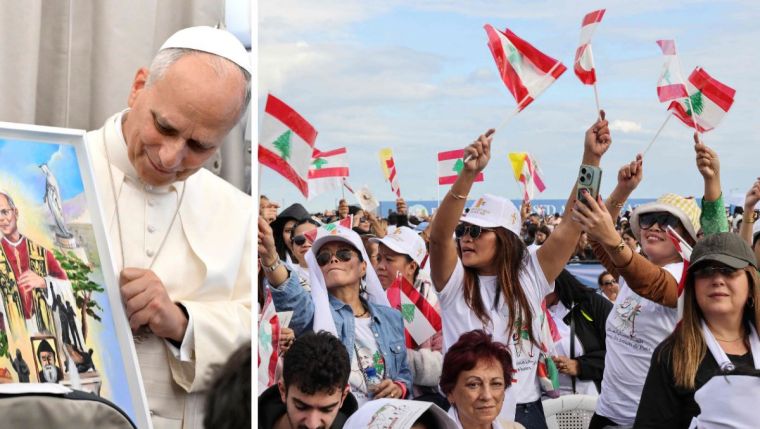
With the three-day visit to Beirut, Lebanon, Pope Leo XIV concluded his first international visit si.....

Discussions regarding the nature of Iranian nationalism and its expression by the Islamic Repu.....
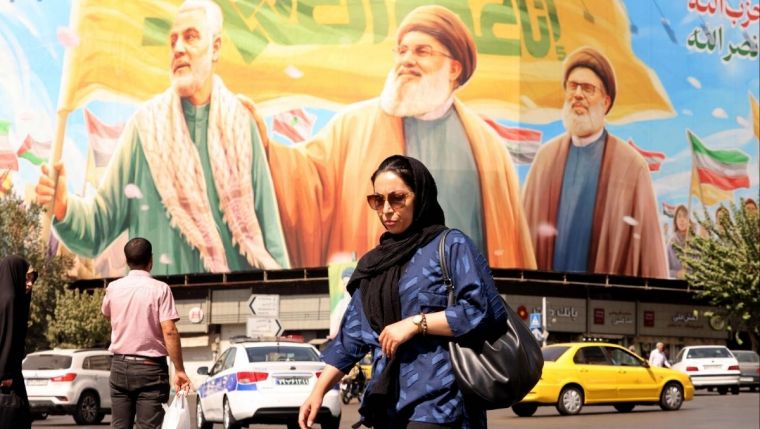
In recent weeks, the Israel Defence Forces (IDF) have escalated its military operations in sou.....
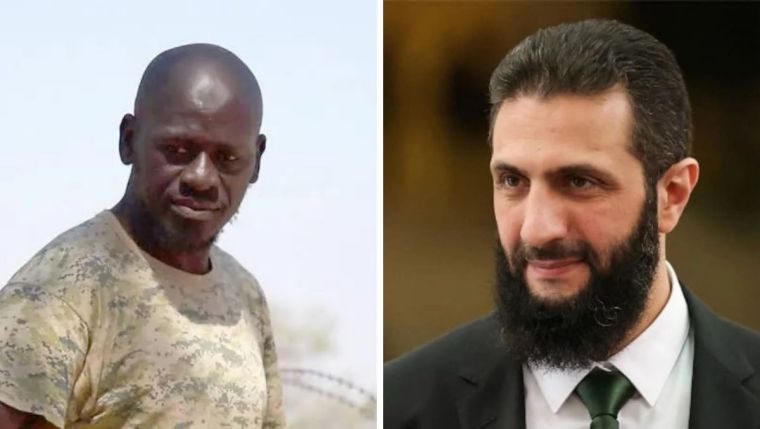
Last Tuesday, the Syrian security forces launched a major operation in the Idlib Province against th.....
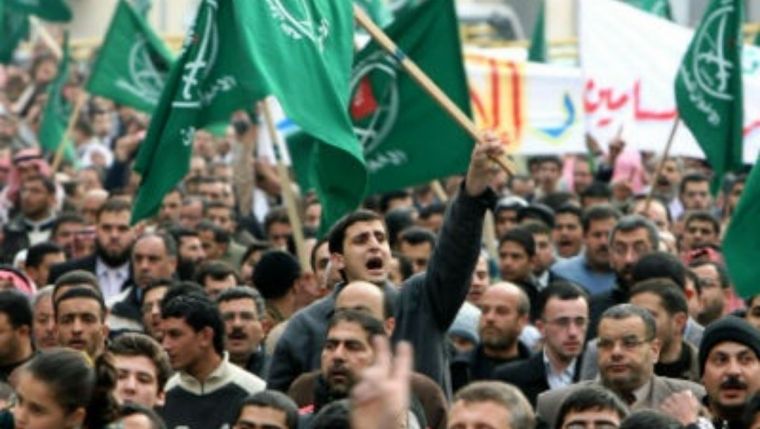
Last Wednesday, the State Security Court of Jordan handed down prison sentences of varying lengths t.....
International relations pundits were quick in relegating the joint communiqué of the Emergenc.....
In addition to several geopolitical considerations, religion is a necessity for the major powers in .....