Breaking

... for openness and credibility....

- MENU
... for openness and credibility....
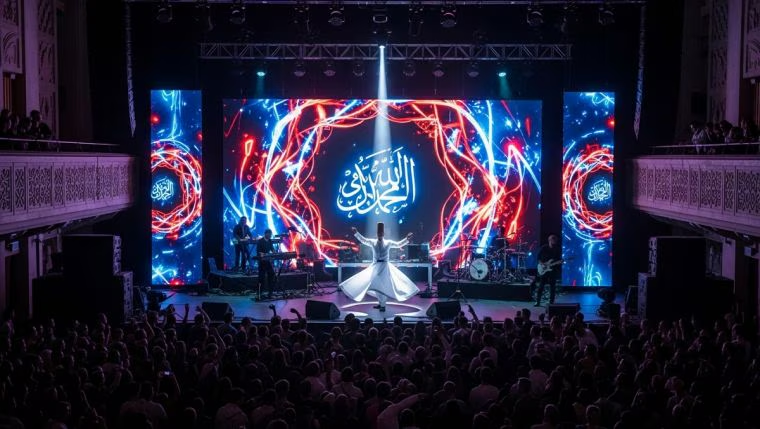
Across the cities of the Middle East, from Cairo to Casablanca, a sound is currently reshaping youth culture. Within crowded music venues, traditional Western pop aesthetics are increasingly replaced by heavy electronic basslines intricately blended with classical Arabic maqamat, or melodic modes. This sound mixing often gets accompanied by a dazzling visual syntax. In the mix, the strobe lights and digital projections of whirling dervishes recontextualise historic mystical iconography.
This performance space signifies a broader paradigm shift in the dissemination of Islamic mysticism. Rituals like dhikr and sama, once practised privately in Sufi lodges, are now being made public as they break out of the esoteric local context to the secular public context. Through their migration from the monastic sanctuary to the major international festival stage and algorithmic streaming platforms, the sublime Sufi expressions have been commodified and reassembled, thereby declaring Sufi pop culture a significant vehicle for contemporary alternative expression.
The global face of this movement, on a transnational level, is Sami Yusuf. Western media calls Yusuf "Islam’s Biggest Rock Star". He pioneered a high-production-value, multi-lingual stadium pop format heavily based on traditional Sufi poetry. Yusuf takes these texts out of the cloister and turns them into universalist hits. His lasting impact on the local live music scene is evident in major collaborative events like the Symphony of Stars co-headlining at Abu Dhabi’s Etihad Arena, which demonstrates the continuing commercial and cultural strength of spiritually charged orchestral pop.
Meanwhile, in Egypt, it is operating in a vibrant, independent, and underground ecosystem. Indie rock heavyweights like Cairokee (an Egyptian rock band) are integrating mystical and existential themes into today’s great contemporary sociopolitical rock anthems. At the same time, Cairo’s youth producers have formed an organic electronic subculture involving the systematic remixing of long tracks by munshidin, i.e., religious chanters such as Sheikh Yassin El-Tohamy. Through ambient synths (short form for music synthesiser) and electronic trap beats, contemporary producers link El-Tohamy’s classical vocal deliveries of Sufi poetry to both spiritual ecstasy and when the beat drops at the local club.
The history of the relationship between spiritual practice and popular music in Morocco extends deep into the past, with the Gnawa and Hamdouchiya Sufi orders central to rhythmic trance practices integral to spiritual life. The mid-20th-century avant-garde group Nass El Ghiwane revolutionised this heritage by adding banjo, western instruments, the sintir (a three-stringed lute), and more. The band hailing from Casablanca's working-class neighbourhoods used complex Sufi metaphors to comment on the authoritarian reality of Morocco's "Years of Lead," the period of King Hassan II's rule from roughly the 1960s to the 1980s, marked by state violence and repression. This structural template, using the poetic subtext of the mystical path to voice social anxieties, set a precedent for contemporary North African artists who continue to create a symbiosis between Afro-Maghrebi Sufi rhythms and global genres.
The Sufi pop culture of the Middle East is noted for resolving deep-rooted identity conflicts among the region's youth. For a generation caught between a rigid, conservative religious orthodoxy on the one side and hyper-commercialised, Westernised globalisation on the other, such musical fusions offer a third space. This third space enables young people to reclaim their cultural and Islamic meanings and pleasures without institutional sanction. Through the transformation of devotion into an overtly individualistic artistry, youth assert a culturally authentic yet subversively contemporary identity.
The structural mechanics of Sufi music are inherently connected to modern electronic and psychedelic music. The main focus of the phenomenology of traditional Sufi performance is the attainment of hal, a special type of ecstasy or trance achieved through repetitive, rhythmic compositions. The architecture of this sound perfectly matches the hypnotic loops, building crescendos, and bass drops of contemporary techno, house, and electronic dance music (EDM). Thus, the somatic experience that characterises a traditional dhikr circle is successfully recreated on the dancefloors of modern festivals and clubs. The contemporary concert space becomes an alternative for group transcendence, appealing to secular and spiritual youth alike through this sonic convergence.
The rise of Sufi pop culture in the Middle East is not a sign of dilution or secular degradation of sacred tradition. Rather, it is an adaptive mechanism for its preservation. The fact that mystical themes are no longer confined to the physical space of the zawiya (a building and institution associated with Sufis)but are now being incorporated into algorithmic streams and global stages suggests a restructuring rather than a disjuncture. Although the sonic has incorporated electric guitars and synthesisers and has become increasingly electronic, the core values of Sufism – universal love, pluralistic tolerance, and esoteric introspection remain unchanged. Through a contemporary musical lens, regional artists have successfully recontextualised classical motifs, insulating historical mysticism from cultural obsolescence. As a result, Sufi pop culture acts as an essential link between ancient spirituality and an ultra-modernised, globalized young generation in the Middle East.
Mohammed Shoaib Raza is a doctoral candidate at the Centre for West Asian Studies, Jawaharlal Nehru University, New Delhi.
Note: This article was originally published in The Week on 23 May 2026 and has been reproduced with the permission of the author. Web Link
As part of its editorial policy, the MEI@ND standardizes spelling and date formats to make the text uniformly accessible and stylistically consistent. The views expressed here are those of the author and do not necessarily reflect the views/positions of the MEI@ND. Editor, MEI@ND: P R Kumaraswamy
Mohammed Shoaib Raza is a doctoral candidate at the Centre for West Asian Studies, Jawaharlal Nehru University, New Delhi
Turkey's ruling Justice and Development Party (AKP) marked its 25th anniversary on 14 August wit.....
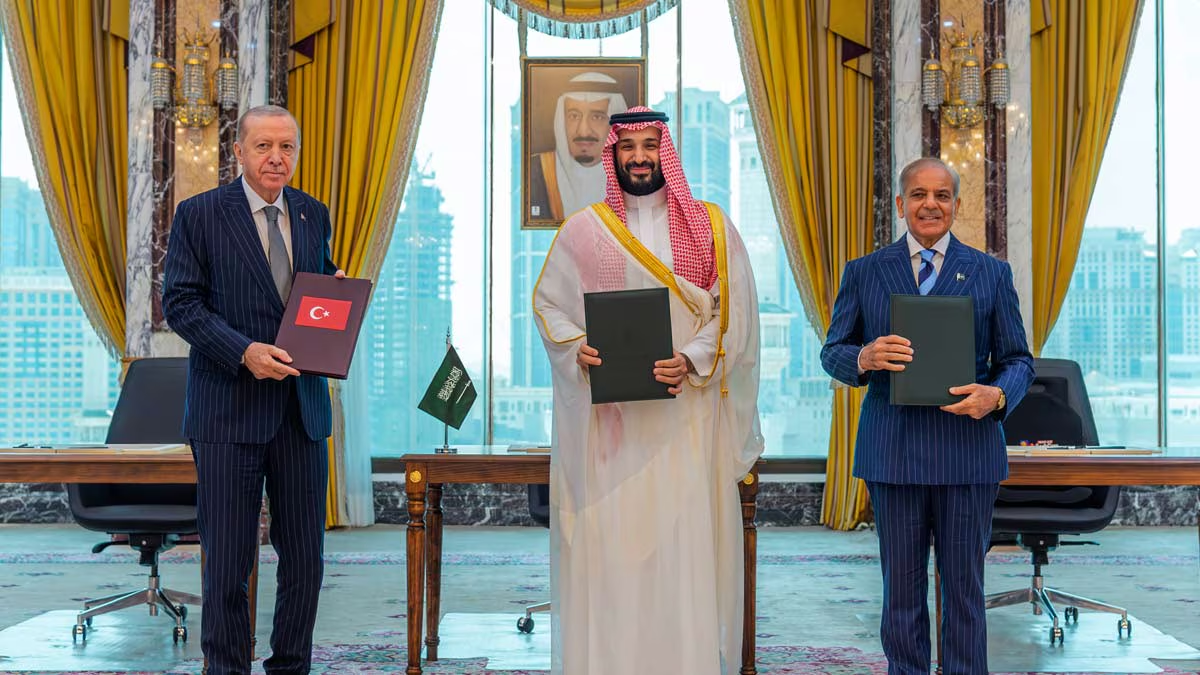
When Saudi Arabia, Türkiye, and Pakistan signed their trilateral defence pact in Mecca on Augus.....
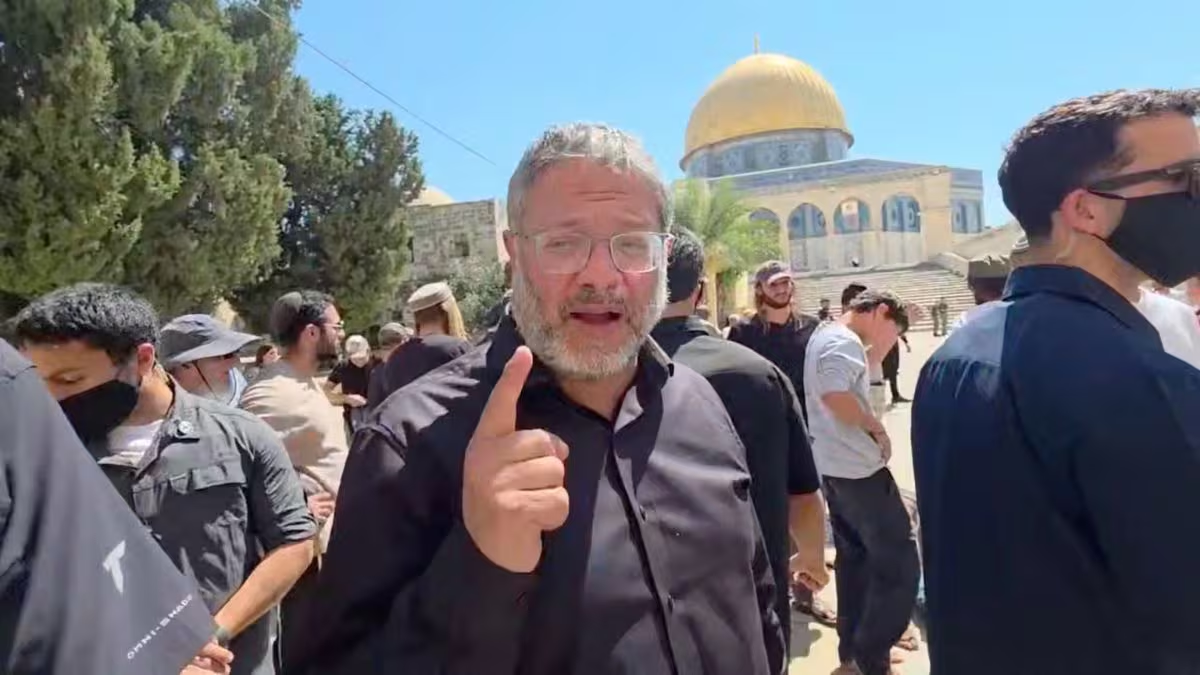
On the morning of 23 July, as Jews observed Tisha B'Av, the annual fast mourning the destruction.....
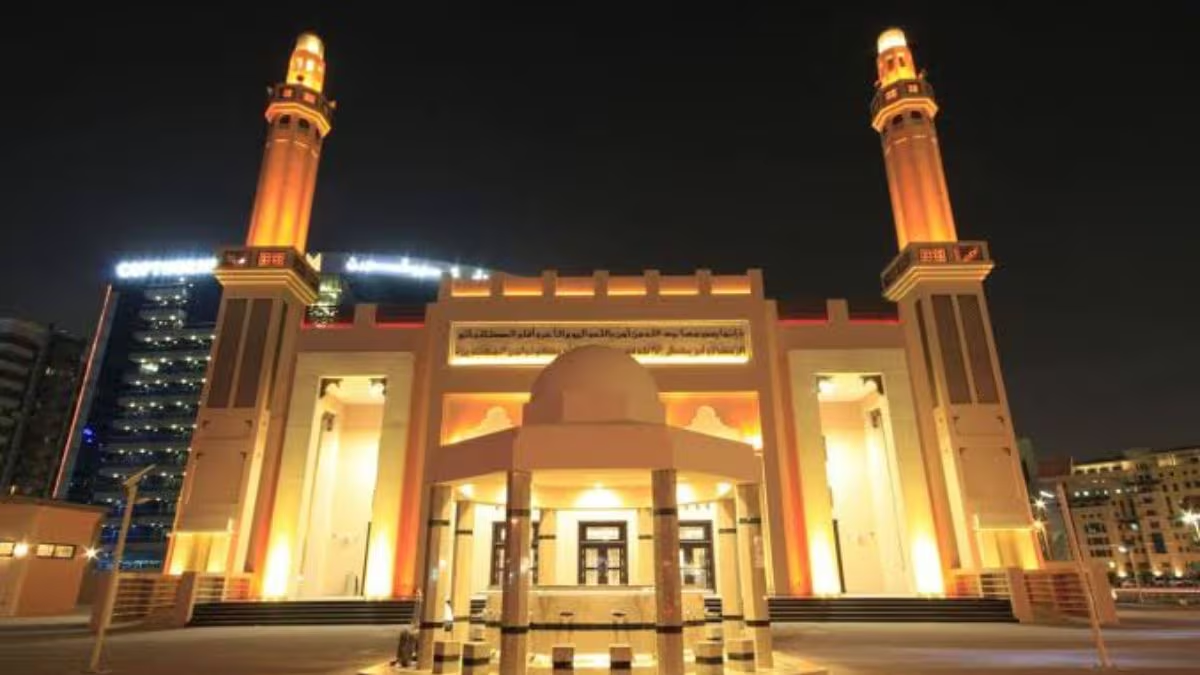
Environmental concerns are often expressed in secular terms, such as economics, policy, or technolog.....
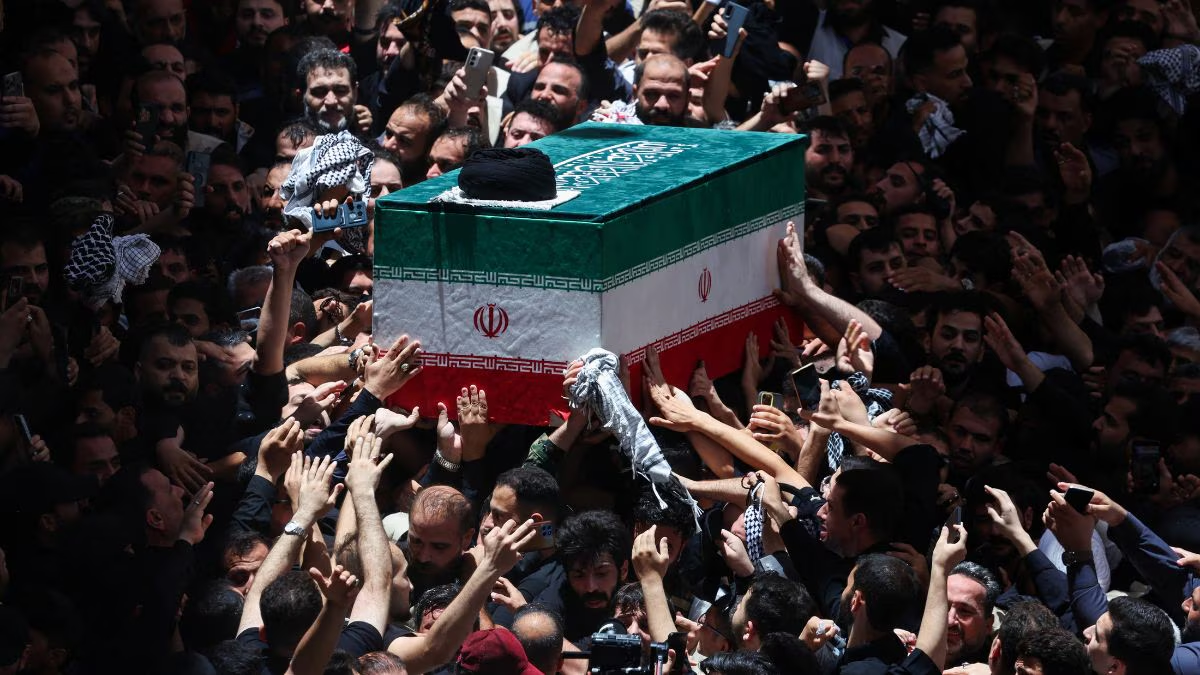
State funerals have long served as highly staged arenas for funeral diplomacy, where non-verbal comm.....
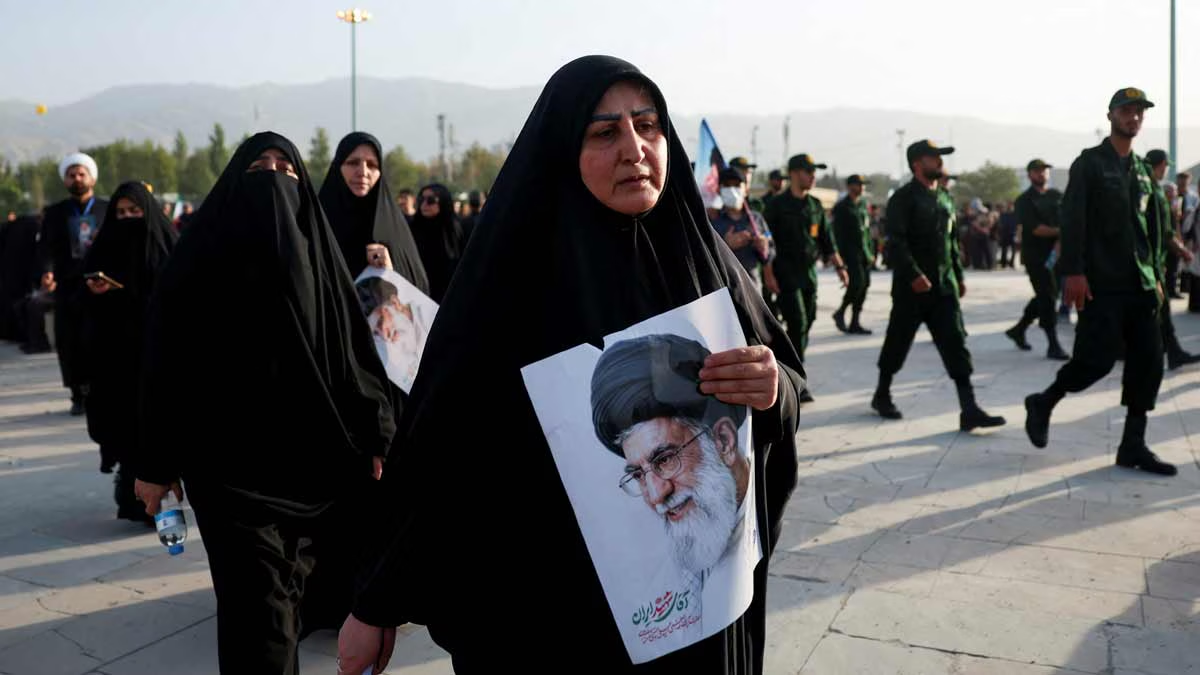
The multi-day state funeral of Ayatollah Ali Khamenei, which began in Tehran on July 3, four months .....
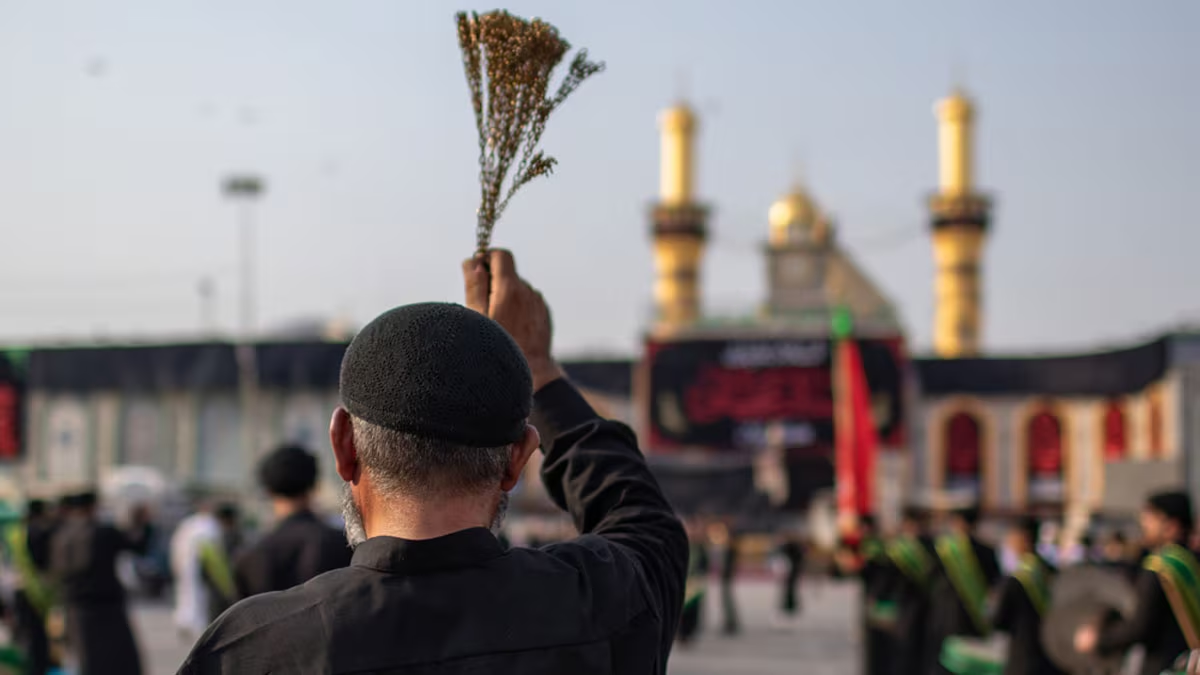
This year marked the 1366th lunar anniversary (1366 AH) of the Battle of Karbala, fought in 680 CE (.....

Today, debates about artificial intelligence (AI) are often preoccupied with questions of bias, algo.....
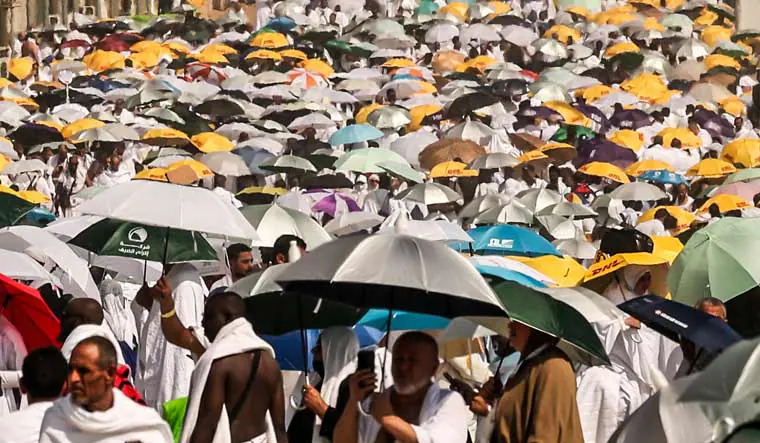
The just-concluded annual Muslim pilgrimage, Hajj, has long been a symbol of communal unity, drawing.....

In the Middle East, the sociopolitical landscape has undergone a noticeable digital transformation i.....
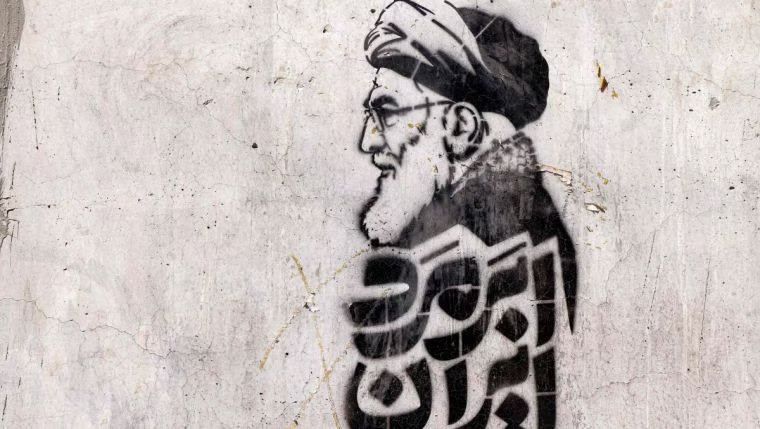
The Shia community observes Arba’een, the traditional fortieth day of mourning for the m.....
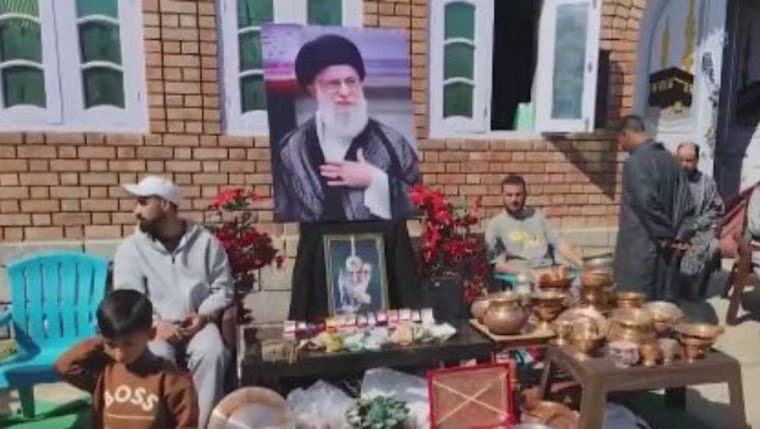
During the ongoing Iran conflict, the Kashmir Valley saw a massive grassroots donation drive. Report.....
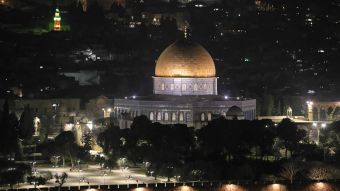
In an unexpected move, the Al-Aqsa Mosque was closed this Eid al-Fitr, marking the first time since .....
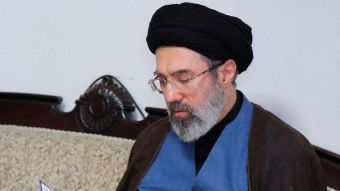
On March 8, the Islamic Republic of Iran reached a historic moment that defined the practical .....
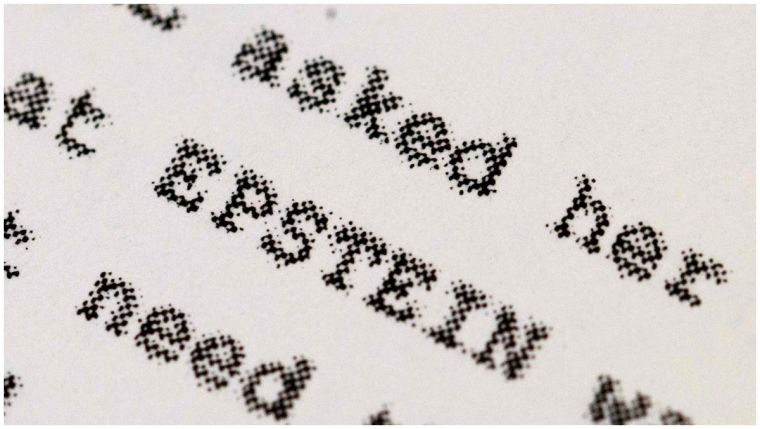
One of the recently released documents from the US Department of Justice, made public under the Epst.....

Atwi Atwi, a high-portfolio official of Al-Jama’a al-Islamiya (AJI) and a former mayor of a mu.....
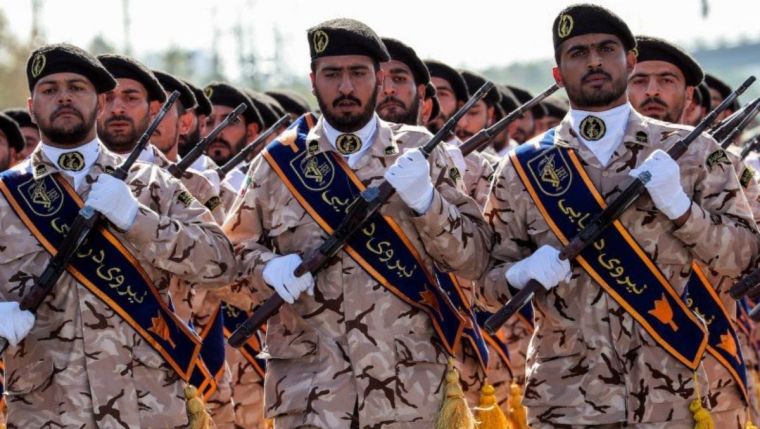
On January 29, the European Union (EU) designated the Islamic Revolutionary Guard Corps (IRGC) as a .....

The social media and news outlets have lately been flooded with news and the latest updates from the.....
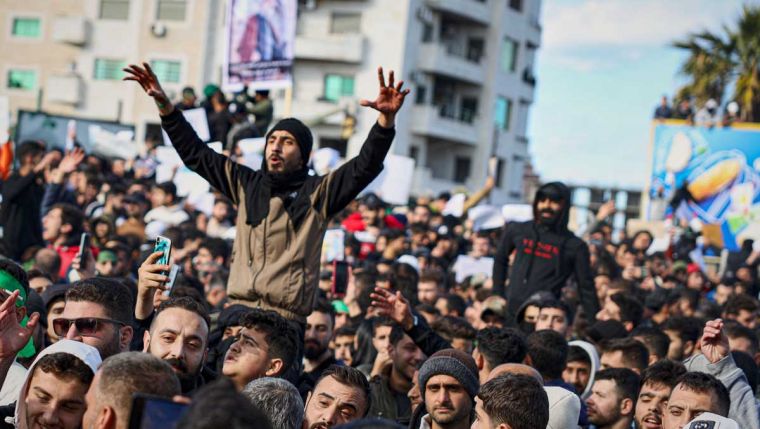
On December 26, at least eight people, who were part of the Friday congregation prayers, were killed.....

During the recent National Ulema and Mashaikh Convention in Islamabad on December 10, Chief of the A.....
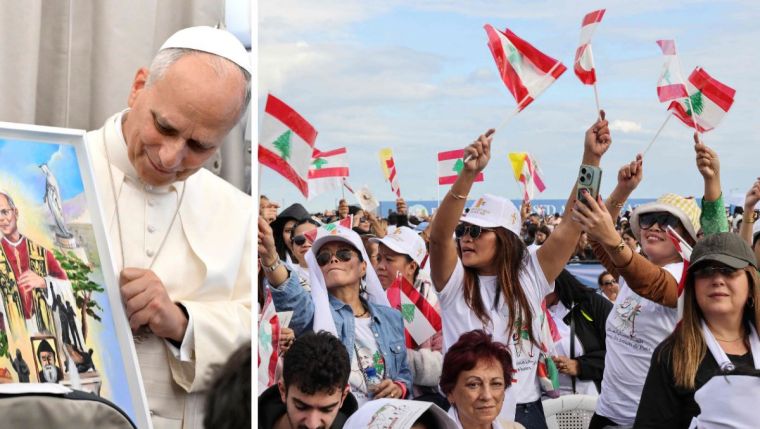
With the three-day visit to Beirut, Lebanon, Pope Leo XIV concluded his first international visit si.....

Discussions regarding the nature of Iranian nationalism and its expression by the Islamic Repu.....
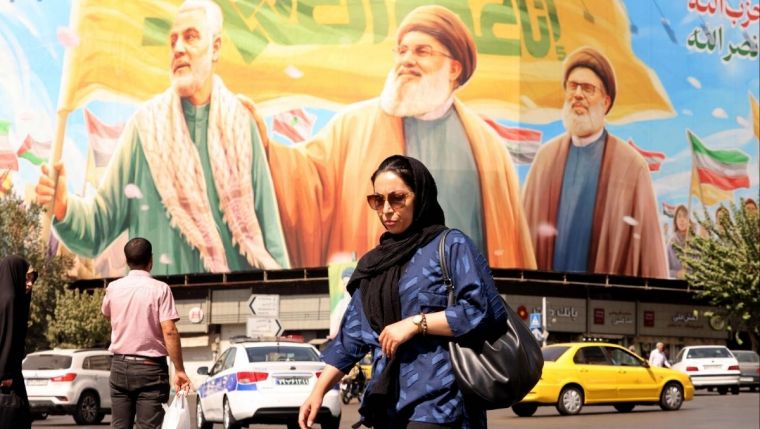
In recent weeks, the Israel Defence Forces (IDF) have escalated its military operations in sou.....
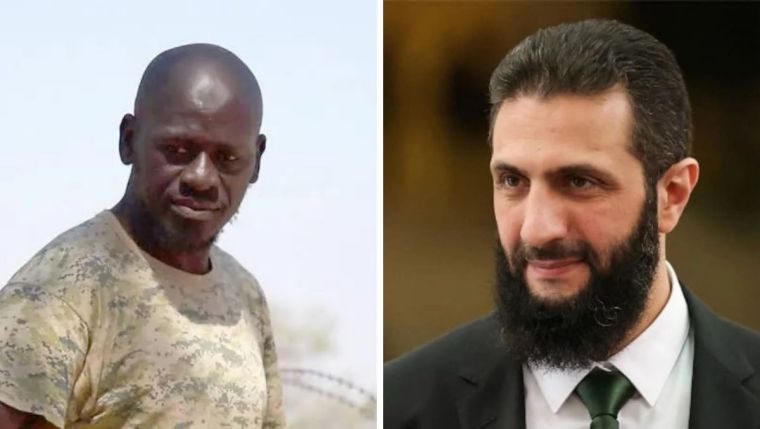
Last Tuesday, the Syrian security forces launched a major operation in the Idlib Province against th.....
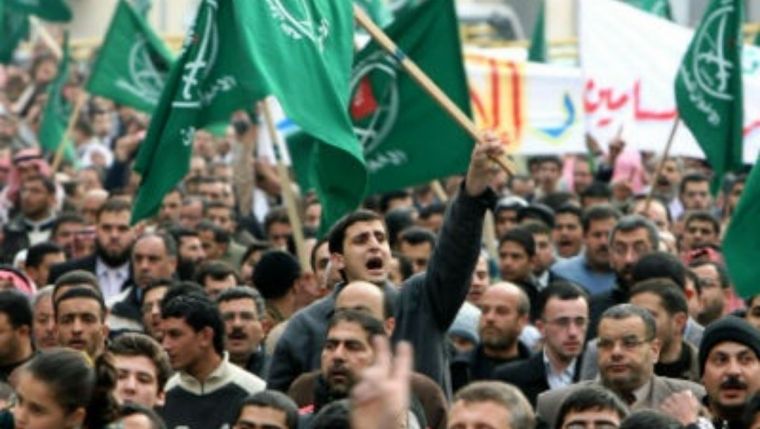
Last Wednesday, the State Security Court of Jordan handed down prison sentences of varying lengths t.....
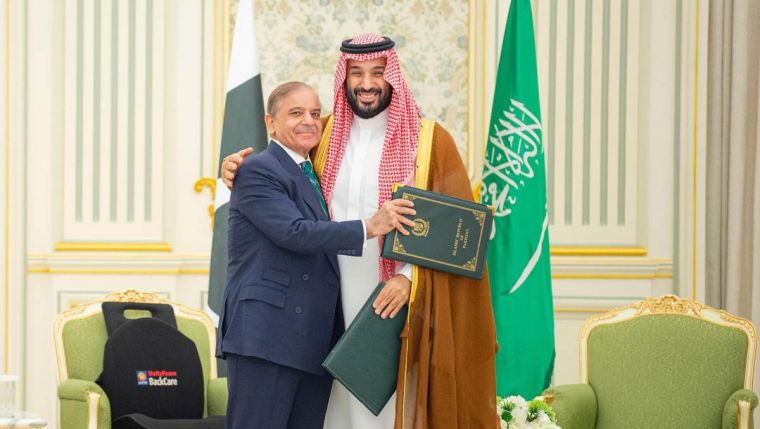
International relations pundits were quick in relegating the joint communiqué of the Emergenc.....
In addition to several geopolitical considerations, religion is a necessity for the major powers in .....