Breaking

... for openness and credibility....

- MENU
... for openness and credibility....
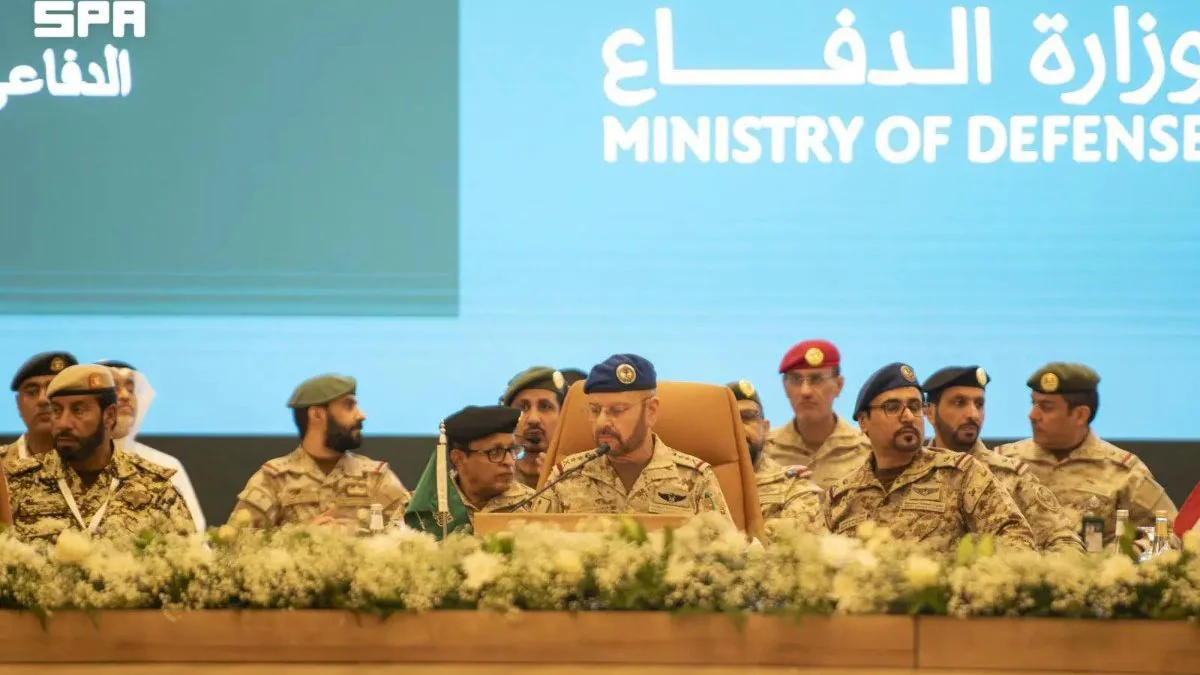
On 30 July 2026, Saudi Arabia, along with 13 other countries (Bahrain, Bangladesh, Comoros, Djibouti, Egypt, Jordan, Kuwait, Pakistan, Qatar, Somalia, Sudan, Türkiye and Yemen), announced the formation of the Multinational Maritime Defence Alliance (MMDA) in Riyadh. The charter of the alliance defined it as a “defensive framework” for “enhancing maritime security, protecting freedom of navigation, securing international trade routes and energy supply lines, and safeguarding shared maritime interests in the Bab al-Mandab Strait, the Red Sea, and the Gulf of Aden.” The charter further noted that the alliance “will ultimately integrate with and contribute to broader international efforts to protect global peace and security in accordance with the provisions of international law.”
The formation of the MMDA is likely a response to the maritime blockade imposed on Saudi Arabia in the Bab al-Mandab by the Houthis on 20 July. Subsequently, the Houthis reportedly targeted two Saudi-linked ships passing through the Red Sea on 22 July and later claimed that several Saudi ships have been forced to return. Houthis have on several occasions since October 2023 targeted international and Israeli shipping passing through the Red Sea in solidarity with Hamas and as part of the Iran-backed ‘axis of resistance.’ However, the specific targeting of Saudi shipping came in the wake of the escalating tensions between the Saudi-backed Yemeni government and the Iran-backed Houthis since mid-July, threatening the four-year ceasefire between them.
The situation in Yemen started to unravel on July 13 when Saudi-backed forces prevented an Iranian airline bringing back Yemeni mourners from Tehran after attending Ali Khamenei’s funeral. The flight was forced to divert to Hodeidah, where it landed safely. The Houthis, in retaliation, targeted Abha airport in southern Saudi Arabia, which in turn targeted Houthi military and command centres in northern Yemen. Saudi-backed Yemeni forces also joined in attacking Houthi targets. They claimed that the Iranian airline was prevented from landing in Sana’a because it was carrying IRGC commanders and weapons for enabling the Houthis to enforce a Strait of Hormuz-like blockade in Bab al-Mandab.
The escalation in Yemen indicates an Iranian attempt to widen the war, which began when the US and Israel launched Operations Epic Fury and Roaring Lion, respectively, on 28 February this year and has since then continued except for a brief ceasefire between 17 June and 8 July. Reports suggest that Iran, which has thus far been able to withstand the US-Israel military onslaught, is seeking to widen the sphere of the war to increase the cost on the US and its Arab allies and prolong the conflict. Iranian security and strategic planning expect that eventually the Trump administration might try to undertake an on-ground combat operation in Iran to achieve the goal of regime change. Hence, it seeks to expand the war into areas under its influence and extend the Hormuz-style blockade to the Red Sea chokepoints.
The strategy includes activating the Iraq-based militias who have thus far refrained from directly joining the war against the US and Israel, as well as disrupting international shipping through the Suez Canal. The Egyptian Mediterranean port of Damietta close to the Suez Canal came under a drone attack on 29 July. Although no one took responsibility for the attack, it was suspected to have been perpetrated by Iran-backed groups in either Iraq or Yemen.
Moreover, the situation in Iraq is also becoming tense. On 30 July, the US and Saudi Arabia jointly targeted Popular Mobilisation Forces (PMF) bases and command centres in Iraq, killing several of its leaders and fighters. A CENTCOM release later announced that the US-Saudi joint military operation was targeted at “Iran-aligned terrorists that the Islamic Revolutionary Guard Corps (IRGC) directed to attack US forces and Saudi energy infrastructure.” Several US bases and command centres across the region, including in Jordan, have come under attack by Iran and Iran-backed militias since the war started in February.
The continuation of the war with Iran and its likely widening scope not only threaten regional security and stability but also pose serious challenges for the Gulf Cooperation Council (GCC) countries. The biggest challenge remains energy and economic security, as well as navigation and the safety and security of civilian and commercial infrastructure. Although the GCC states were not in favour of a war against Iran and argued for diplomacy, after the US-Israel attacks on Iran have been split on how to respond to the situation. The UAE, Kuwait, and Bahrain have mostly become aligned with the US and have continued to facilitate and aid the war effort, while Qatar and Oman have worked with both sides to try and find a way to de-escalate.
The widening gulf within the GCC has put Saudi Arabia in a challenging position. It continues to remain reluctant to join the US-Israel war effort against Iran fully and yet has been continuously targeted by Iran and Iran-backed militias. Saudi Arabia's adoption of strategic restraint vis-à-vis Iran has been premised on the idea of keeping away from the conflict without necessarily opposing the US-led war. However, the evolving situation in the conflict is increasingly testing the Saudi resolve to stick to its risk aversion and strategic restraint, especially as its oil and economic security comes under threat.
The author is an Associate Professor of Middle East studies at Jawaharlal Nehru University.
Note: This article was originally published in The Week on 03 August 2026 and has been reproduced with the permission of the author. Web Link
As part of its editorial policy, the MEI@ND standardizes spelling and date formats to make the text uniformly accessible and stylistically consistent. The views expressed here are those of the author and do not necessarily reflect the views/positions of the MEI@ND. Editor, MEI@ND: P R Kumaraswamy

Md. Muddassir Quamar is an Associate Professor at the Centre for West Asian Studies, Jawaharlal Nehru University, New Delhi.
The effectiveness of diplomacy may not always lie in elaborate and planned events. At times, a small.....
On 11 November 2025, Iraq is scheduled to hold parliamentary elections, the sixth since the post-200.....
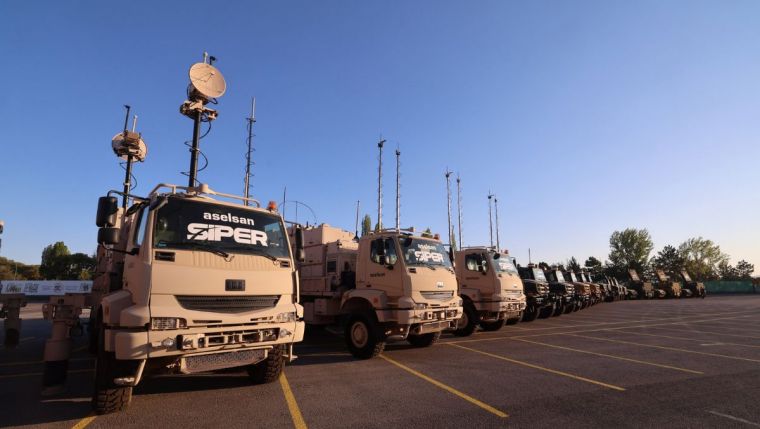
On August 27, 2025, Türkiye unveiled an integrated air defence system called "Steel Dome,&.....
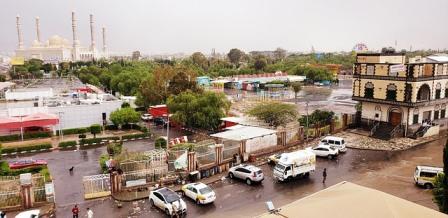
On January 17, 2022, the United Arab Emirates (UAE) was rocked by two attacks after drone attacks ta.....
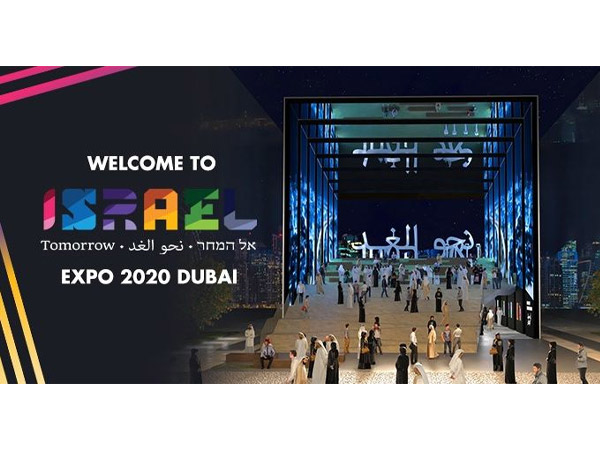
Within a span of just over a year since the announcement of the Abraham Accords, between Israel and .....
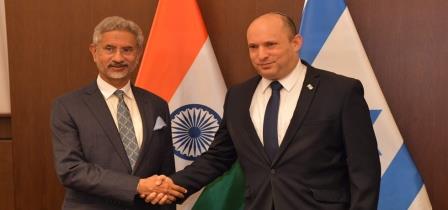
External Affairs Minister S. Jaishankar’s visit to Israel signifies the burgeoning Indo-Israel.....
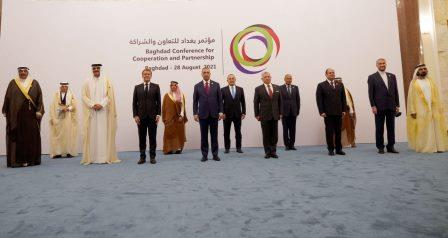
On 28 August 2021, Iraq hosted the first “Baghdad Conference for Cooperation and Partnership&r.....
Recent developments in Afghanistan–the US military withdrawal and return of Taliban– has.....
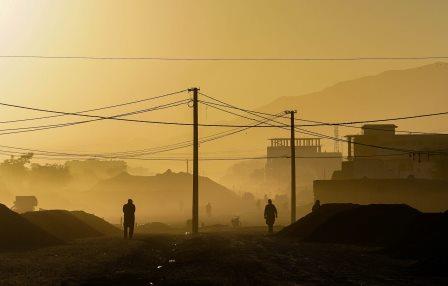
The Taliban takeover of Afghanistan has wider ramifications for the world. Among the key questions t.....
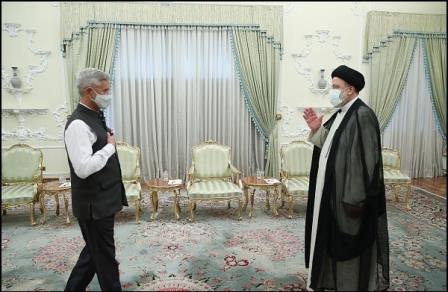
External Affairs Minister S. Jaishankar attended the swearing-in ceremony of the new Iranian preside.....
The revitalisation of ties with Iran will remain confined to the immediate issue of shared interests.....
Israel and Hamas have engaged in fighting each other since 2006 when Hamas emerged victorious in the.....
Tensions have gripped the Eastern Mediterranean (East Med) for the past few months owning to differe.....
Qatar is an important country in the Gulf with which India has traditionally had strong bilateral ti.....
International geopolitical developments and the growing chances of friction between the global power.....
In recent years, Turkey’s foreign policy has attracted scrutiny because of its aggressive post.....
India and the United Arab Emirates share a vision for peace and prosperity. Under the leadership of .....
The coming to power of the AKP is one of the defining moments in the history of modern Turkey. Here .....

Though the news of China and Iran entering into US$400 billion agreement and Iran going ahead with C.....
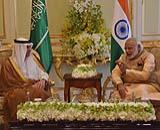
India’s relationship with the Gulf has witnessed a qualitative transformation since the August.....
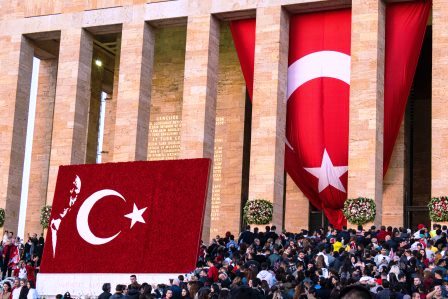
The results of country-wide municipal elections in Turkey held on 31 March 2019 threw a few surprise.....
Like other parts of the world, West Asia (or the Middle East) too is hit hard by the spread of COVID.....
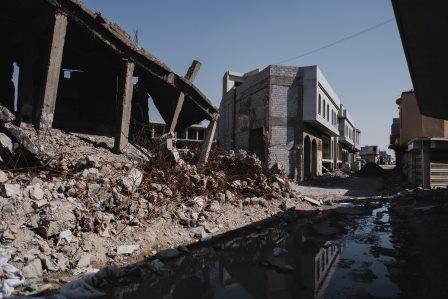
Iraq is suffering from internal divisions and external interventions for long. The problems of the p.....
The West Asia is one of the most volatile and conflict-ridden regions in the world today. Given the .....
In the Persian Gulf, the New Year began with a bang. On January 3, the world woke up to the news of .....
Major General Qassem Soleimani, commander of the elite Quds Force of the Iranian Revolutionary Guard.....
For over two months, youth in Iraq are protesting against corruption, unemployment and Iranian and A.....
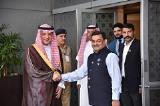
The historic relations between India and the Gulf countries have undergone a qualitative transformat.....
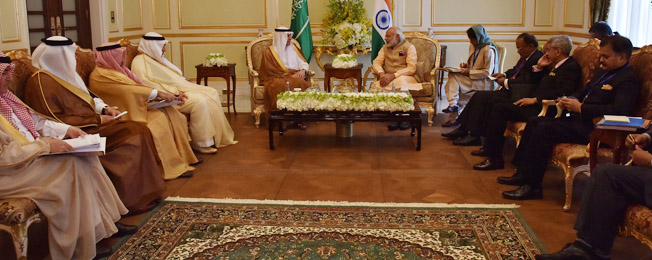
India and Saudi Arabia enjoy traditional friendly ties. Both are strategic partners and are working .....
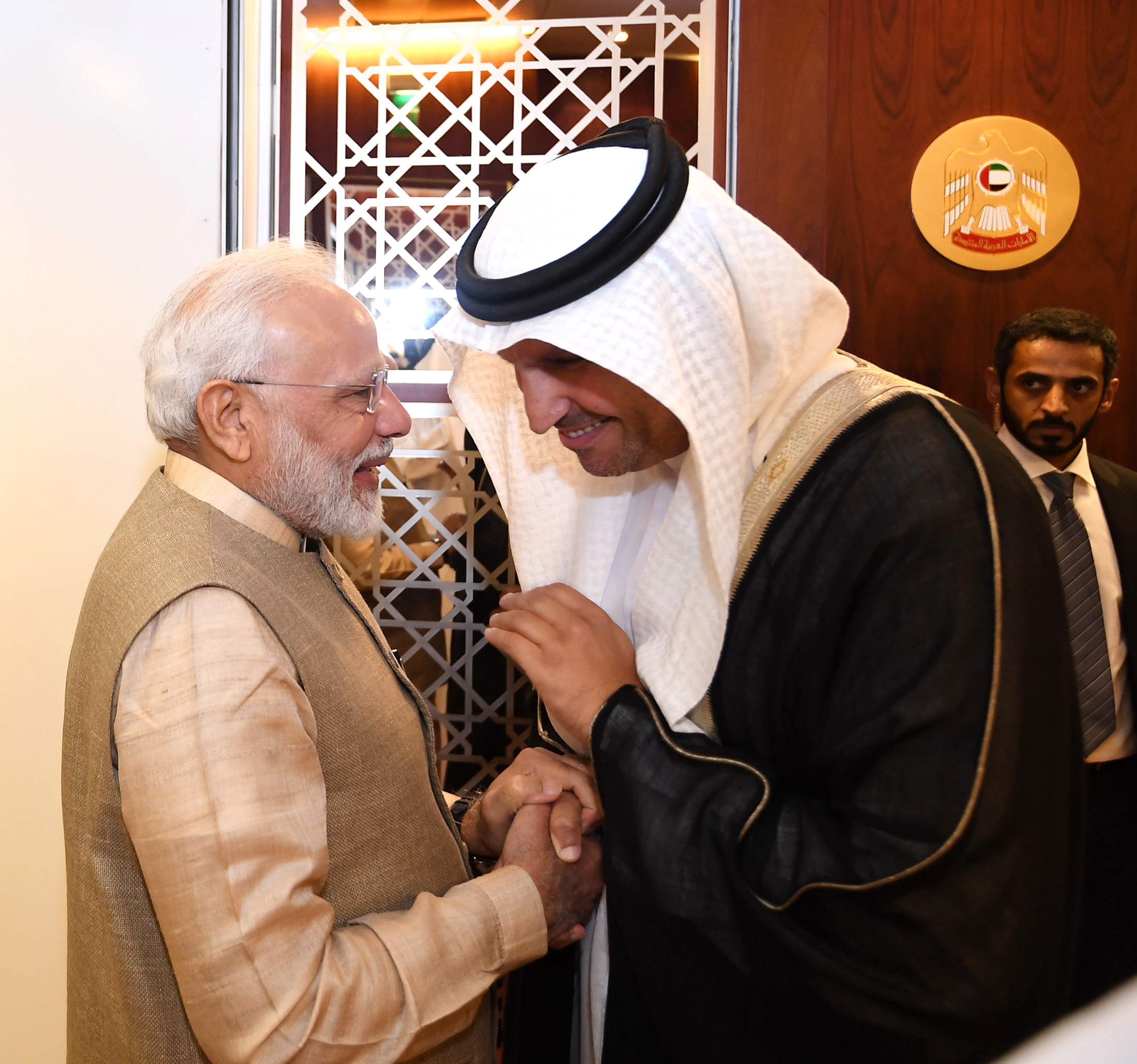
Prime Minister Narendra Modi undertook a visit to the UAE and Bahrain over the weekend. This was his.....
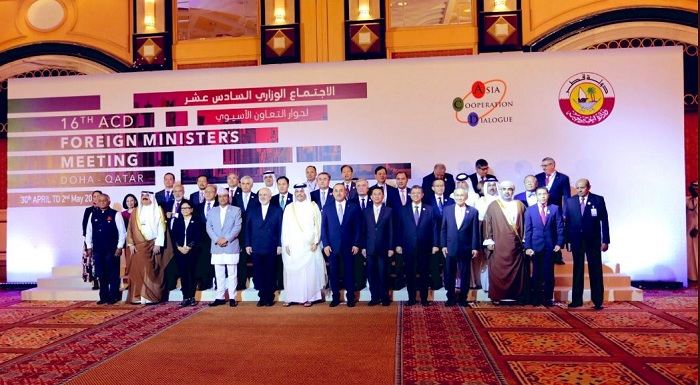
The 16th Ministerial meeting of the Asia Cooperation Dialogue (ACD) took place in Doha this week. Th.....
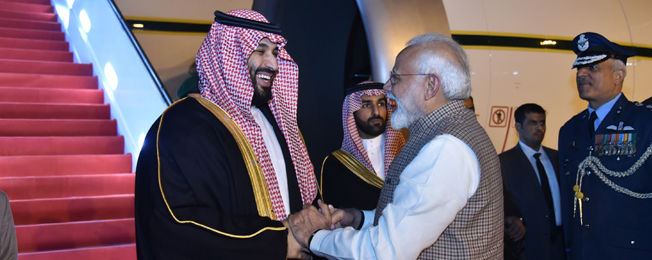
India’s relationship with the Gulf has witnessed a qualitative transformation since the A.....
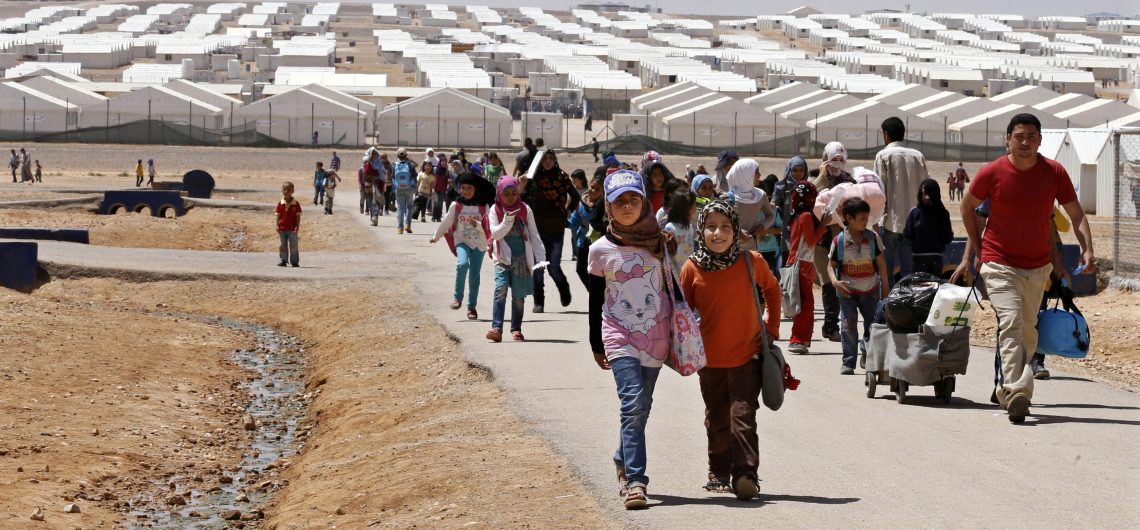
On March 24, 2019, the US-backed Syrian Democratic Forces (SDF) announced the capture of Baghouz, a .....
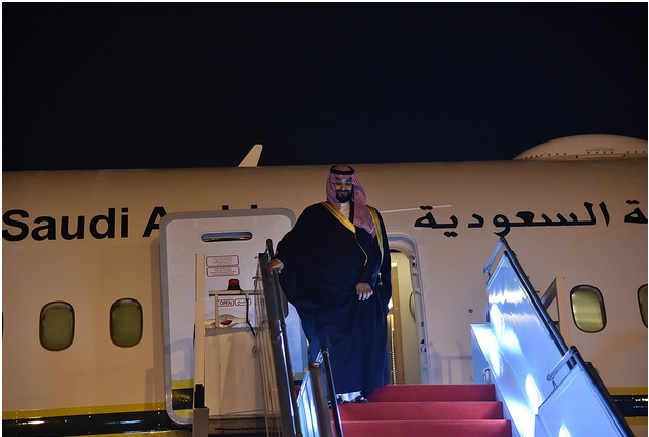
The visit of Saudi Minister of State for Foreign Affairs Adel al-Jubeir to New Delhi; close on the h.....
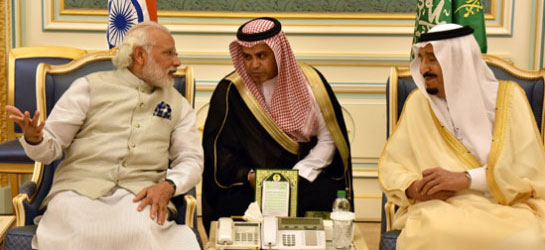
India and Saudi Arabia have increased defence and security cooperation in the fields of combating te.....
Economic and social reforms have emerged as the focus area in Saudi Arabia under the leadership of K.....

The US and Turkey are back on collision course over the Kurdish question in northern Syria. The late.....
The Civil War in Syria has ravaged the country, took the life of nearly 500,000 people and has force.....