Breaking

... for openness and credibility....

- MENU
... for openness and credibility....
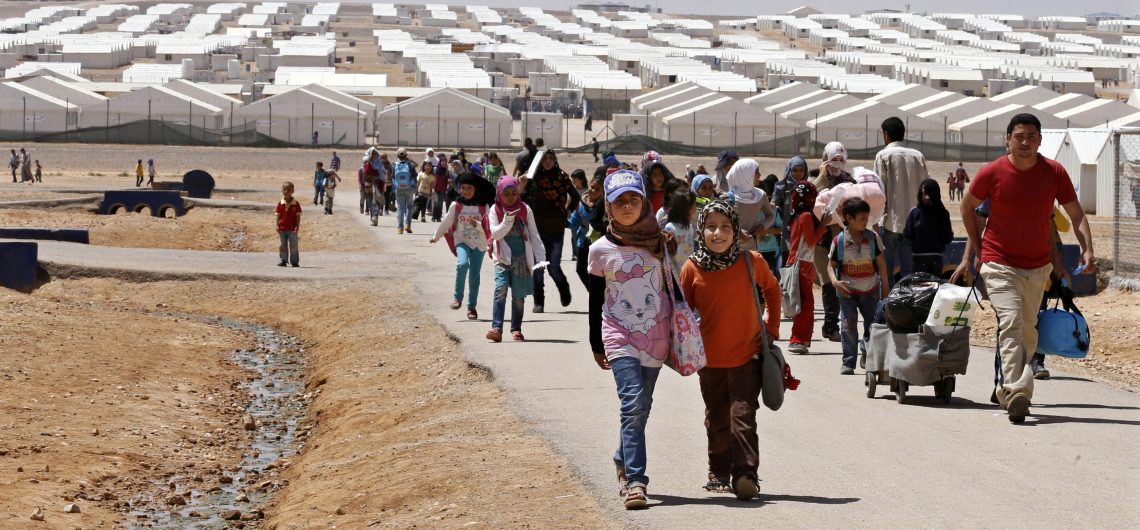
On March 24, 2019, the US-backed Syrian Democratic Forces (SDF) announced the capture of Baghouz, a town in northeast Syria located in the middle of the scenic Euphrates valley. This was the last remaining outpost of the Daesh (IS) in the embattled country after the quasi-state lost control of its capital Raqqa in October 2017.
Daesh was first formed in Iraq in 2004 as a branch of Al-Qaeda and in 2006, established itself as an independent “Islamic State of Iraq.” The terrorist group took advantage of the civil war erupting from the Syrian uprising to spread its wings in that country capturing vast territories. In 2014, after Mosul came under its control, leader of Daesh, Abu Bakr al-Baghdadi, declared himself as the ‘Caliph’ and announced establishment of the Islamic State of Iraq and the Levants (ISIL or Daesh). The Daesh terrorist group soon inspired many others in the Middle East and North Africa region to emulate it.
Daesh attracted several thousand foreign fighters and inspired several ‘lone-wolf’ attacks in different parts of the world. Its atrocities, the sectarian agenda and barbarism against women forced the world and regional powers to take notice and focus on a strategy to counter its toxic tenacity. Two different coalitions began military operation in Syria to defeat the Daesh. While Russia joined the alliance between Iran and Syria’s Bashar al-Assad regime, the US joined forces with the Kurds and helped in formation of the SDF.
The Kurdish SDF started military offensive against the Daesh on several fronts in late 2016 backed by aerial bombardments from the US forces. The first major breakthrough came in October 2017 with the fall of the Daesh capital in Syria, Raqqa and despite some interruptions, the SDF eventually succeeded in defeating the terrorist group.
Though Daesh has been defeated, the future of the Syrian Kurds hangs in the balance. The Kurdish forces have proved to be one of the most effective fighters against the Daesh. The SDF now controls almost entire north eastern part of Syria and has effectively established a de facto autonomous region, known as Rojava, in areas under its control. The Kurds have demonstrated the ability to function democratically through the Syrian Democratic Council and raised an effective fighting force in the form of SDF. Nonetheless, the challenge is to find a political solution in the post-Daesh Syria. The situation is complex and though the Kurds face serious challenges they have expressed willingness to work with the Assad regime to secure the future of Syria.
The Assad regime though insists on establishing its sovereignty over entire Syria. This can be a bone of contention between the US-backed Kurds and Russia and Iran-backed Assad regime. Both Russia and Iran have underlined their support for the Syrian regime’s stand on taking full control of Syria, but in comparison to Moscow, Tehran is more vehemently opposed to any concession to the Kurds.
Turkey which has played a key role in formalising the de-escalation zone in northwest Syria and has been the major supporter of the Arab-dominated opposition including Free Syria Army (FSA) too is opposed to any concessions to the Kurds. Ankara sees the SDF, especially its constituent the People’s Protection Unit (YPG) as a threat to Turkish security because of its proximity with the outlawed Turkish secessionist group the Kurdistan Workers’ Party (PKK). The US under President Donald Trump has shown reluctance to extend its military presence in northern Syria and this can complicate the choices for the Kurds.
The global as well as regional powers will have to work out a political solution for Syria without ignoring the sentiments of all major local stakeholders. The end of Daesh bodes well for Syria but the question of finding a political solution for Syria remains. If a negotiated settlement is not found soon, the remnants of the Daesh might find ways to revive their terror tactics as in the past.
Note: This article was originally published in AIR World Service on 27 March 2019 and has been reproduced with the permission of the author. Web link
Md. Muddassir Quamar is an Associate Professor at the Centre for West Asian Studies, Jawaharlal Nehru University, New Delhi.
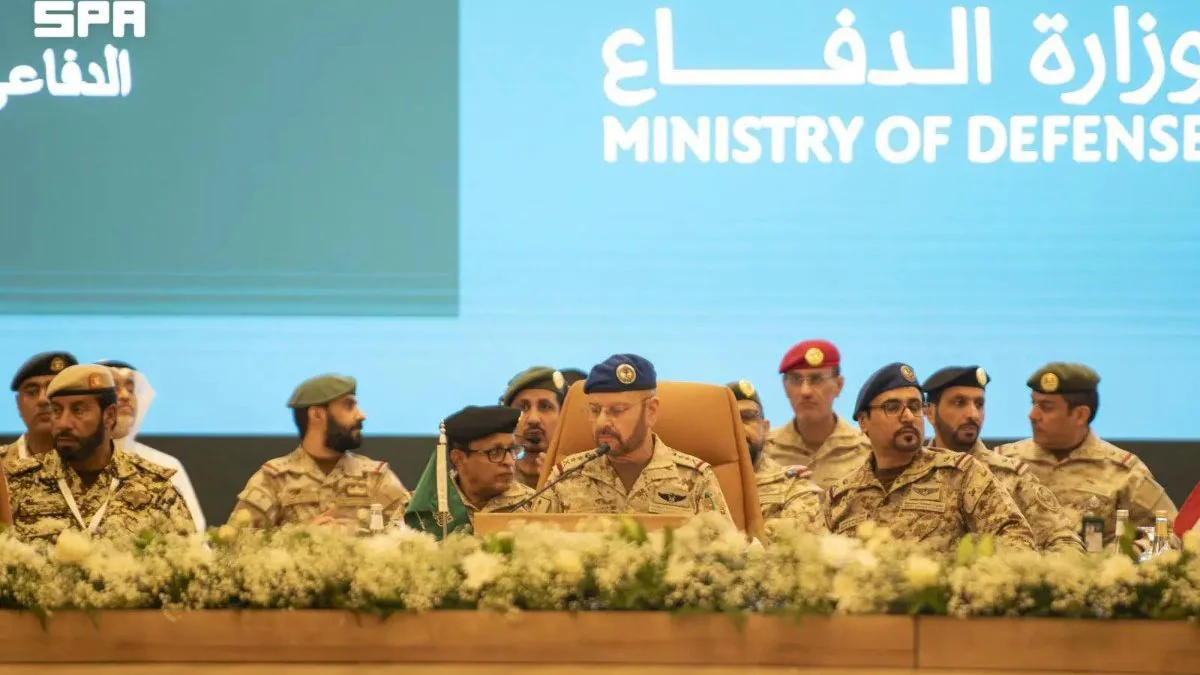
On 30 July 2026, Saudi Arabia, along with 13 other countries (Bahrain, Bangladesh, Comoros, Djibouti.....
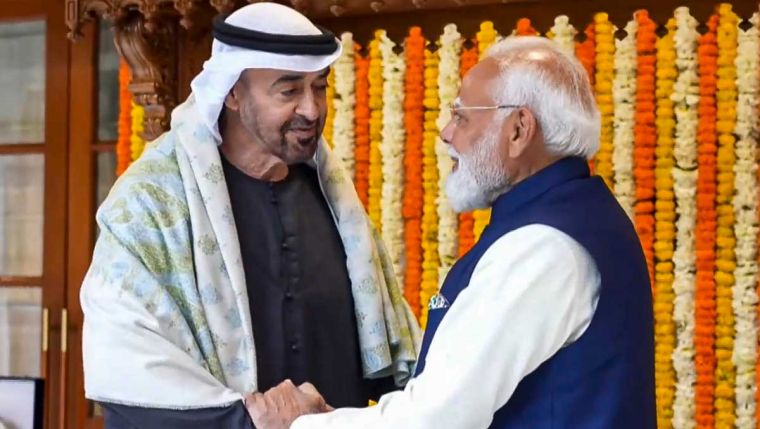
The effectiveness of diplomacy may not always lie in elaborate and planned events. At times, a small.....
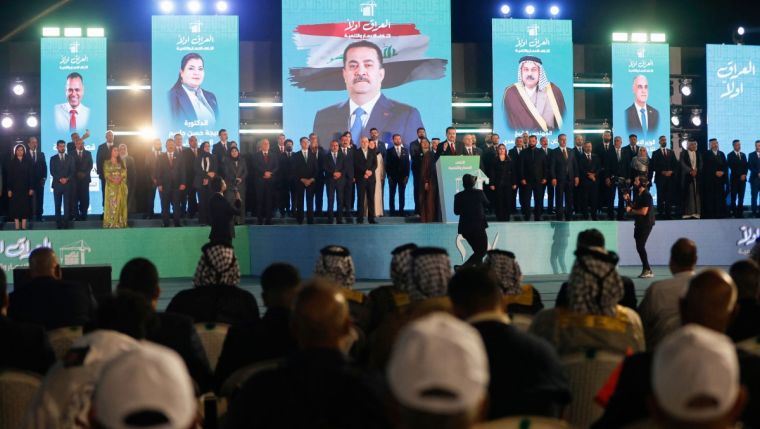
On 11 November 2025, Iraq is scheduled to hold parliamentary elections, the sixth since the post-200.....
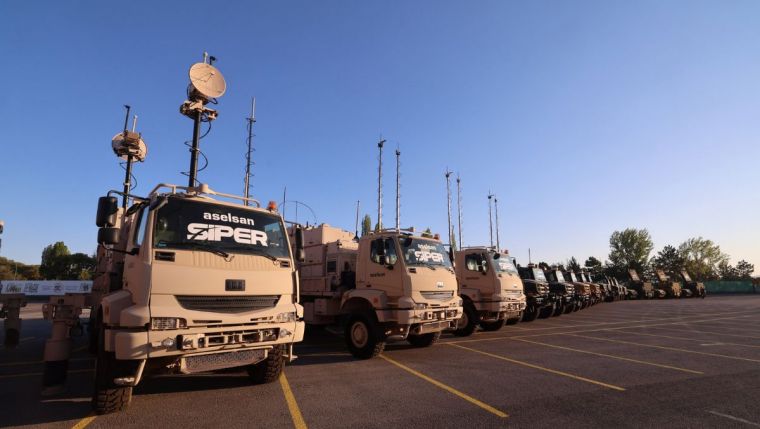
On August 27, 2025, Türkiye unveiled an integrated air defence system called "Steel Dome,&.....
On January 17, 2022, the United Arab Emirates (UAE) was rocked by two attacks after drone attacks ta.....

Within a span of just over a year since the announcement of the Abraham Accords, between Israel and .....
External Affairs Minister S. Jaishankar’s visit to Israel signifies the burgeoning Indo-Israel.....
On 28 August 2021, Iraq hosted the first “Baghdad Conference for Cooperation and Partnership&r.....
Recent developments in Afghanistan–the US military withdrawal and return of Taliban– has.....
The Taliban takeover of Afghanistan has wider ramifications for the world. Among the key questions t.....
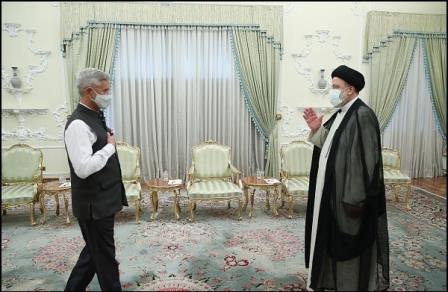
External Affairs Minister S. Jaishankar attended the swearing-in ceremony of the new Iranian preside.....
The revitalisation of ties with Iran will remain confined to the immediate issue of shared interests.....
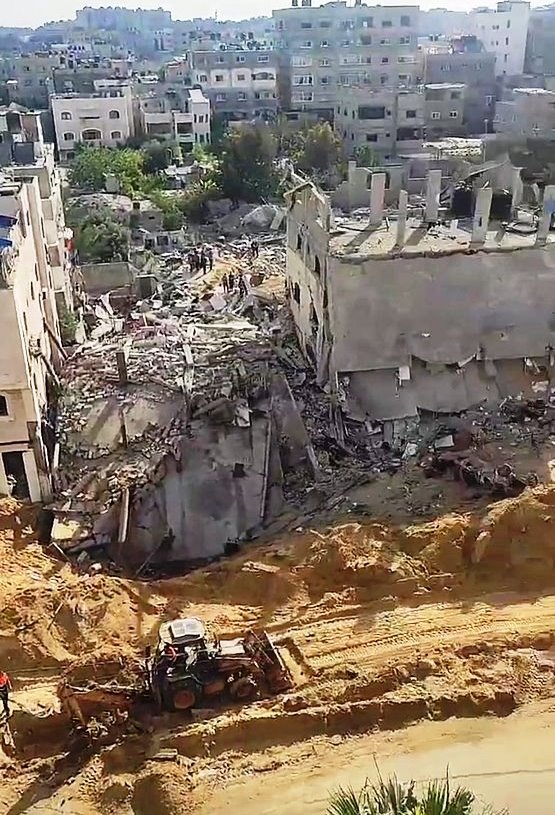
Israel and Hamas have engaged in fighting each other since 2006 when Hamas emerged victorious in the.....
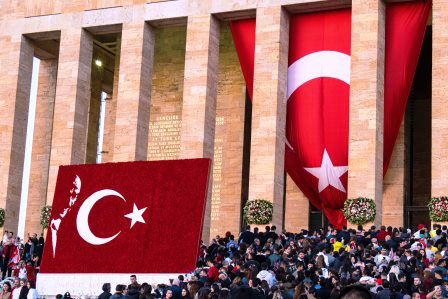
Tensions have gripped the Eastern Mediterranean (East Med) for the past few months owning to differe.....
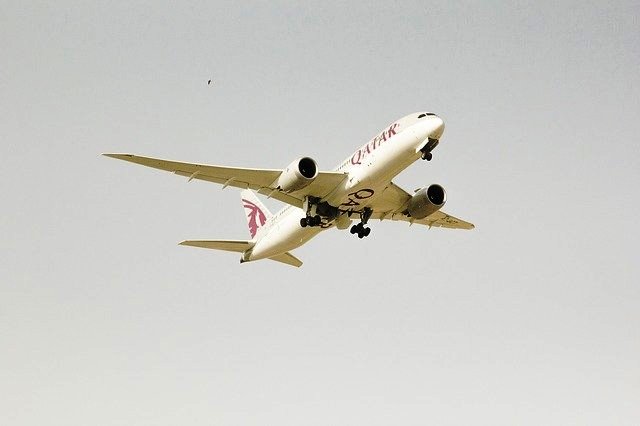
Qatar is an important country in the Gulf with which India has traditionally had strong bilateral ti.....
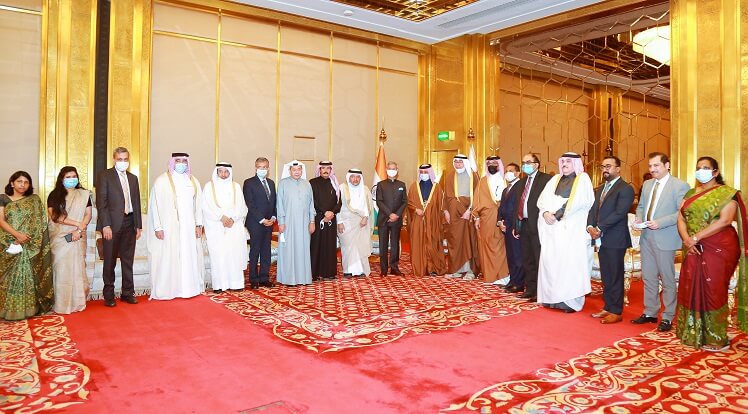
International geopolitical developments and the growing chances of friction between the global power.....
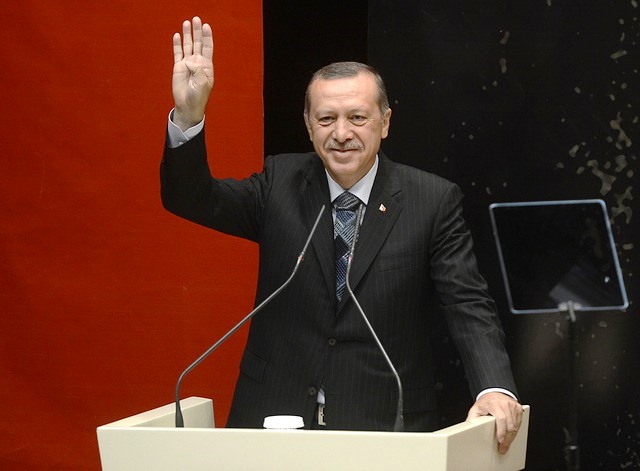
In recent years, Turkey’s foreign policy has attracted scrutiny because of its aggressive post.....
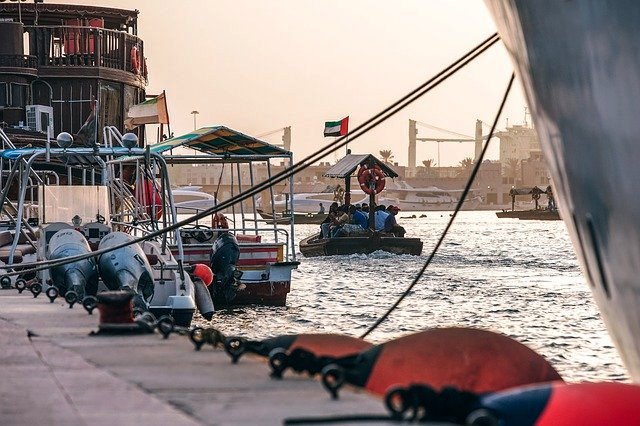
India and the United Arab Emirates share a vision for peace and prosperity. Under the leadership of .....
The coming to power of the AKP is one of the defining moments in the history of modern Turkey. Here .....

Though the news of China and Iran entering into US$400 billion agreement and Iran going ahead with C.....
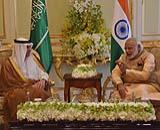
India’s relationship with the Gulf has witnessed a qualitative transformation since the August.....
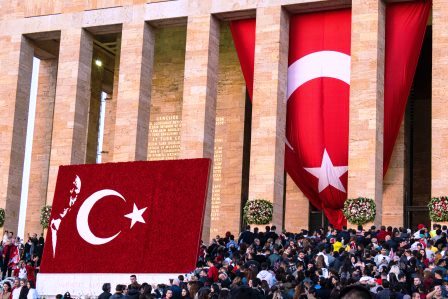
The results of country-wide municipal elections in Turkey held on 31 March 2019 threw a few surprise.....
Like other parts of the world, West Asia (or the Middle East) too is hit hard by the spread of COVID.....
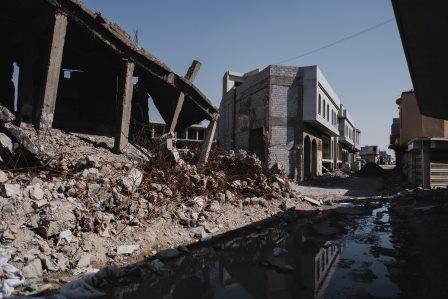
Iraq is suffering from internal divisions and external interventions for long. The problems of the p.....
The West Asia is one of the most volatile and conflict-ridden regions in the world today. Given the .....
In the Persian Gulf, the New Year began with a bang. On January 3, the world woke up to the news of .....
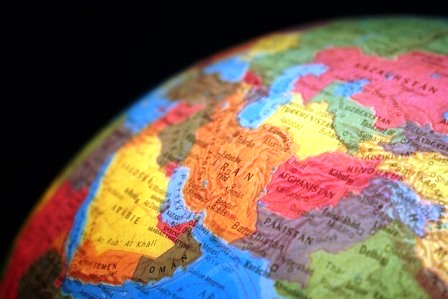
Major General Qassem Soleimani, commander of the elite Quds Force of the Iranian Revolutionary Guard.....
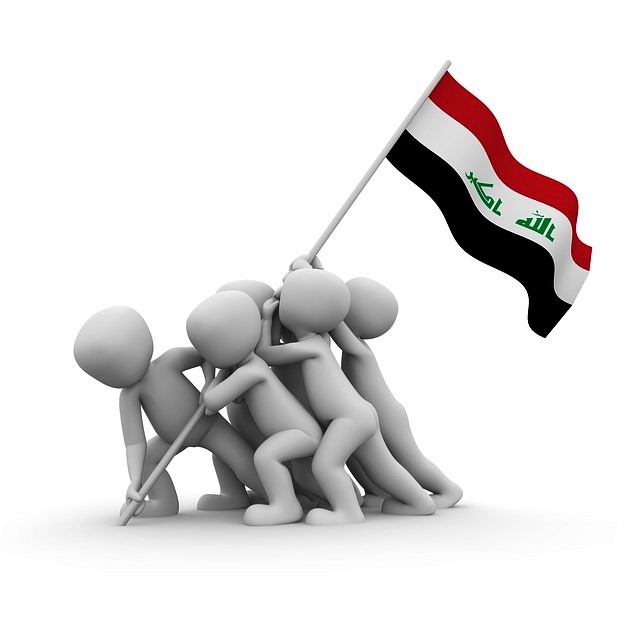
For over two months, youth in Iraq are protesting against corruption, unemployment and Iranian and A.....
The historic relations between India and the Gulf countries have undergone a qualitative transformat.....
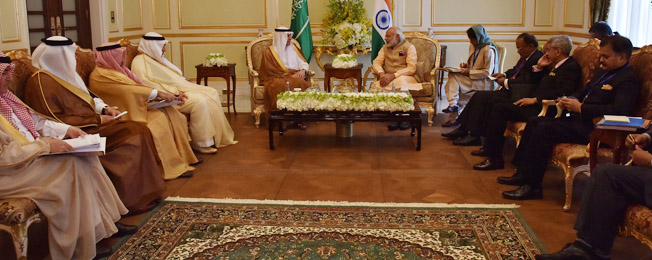
India and Saudi Arabia enjoy traditional friendly ties. Both are strategic partners and are working .....
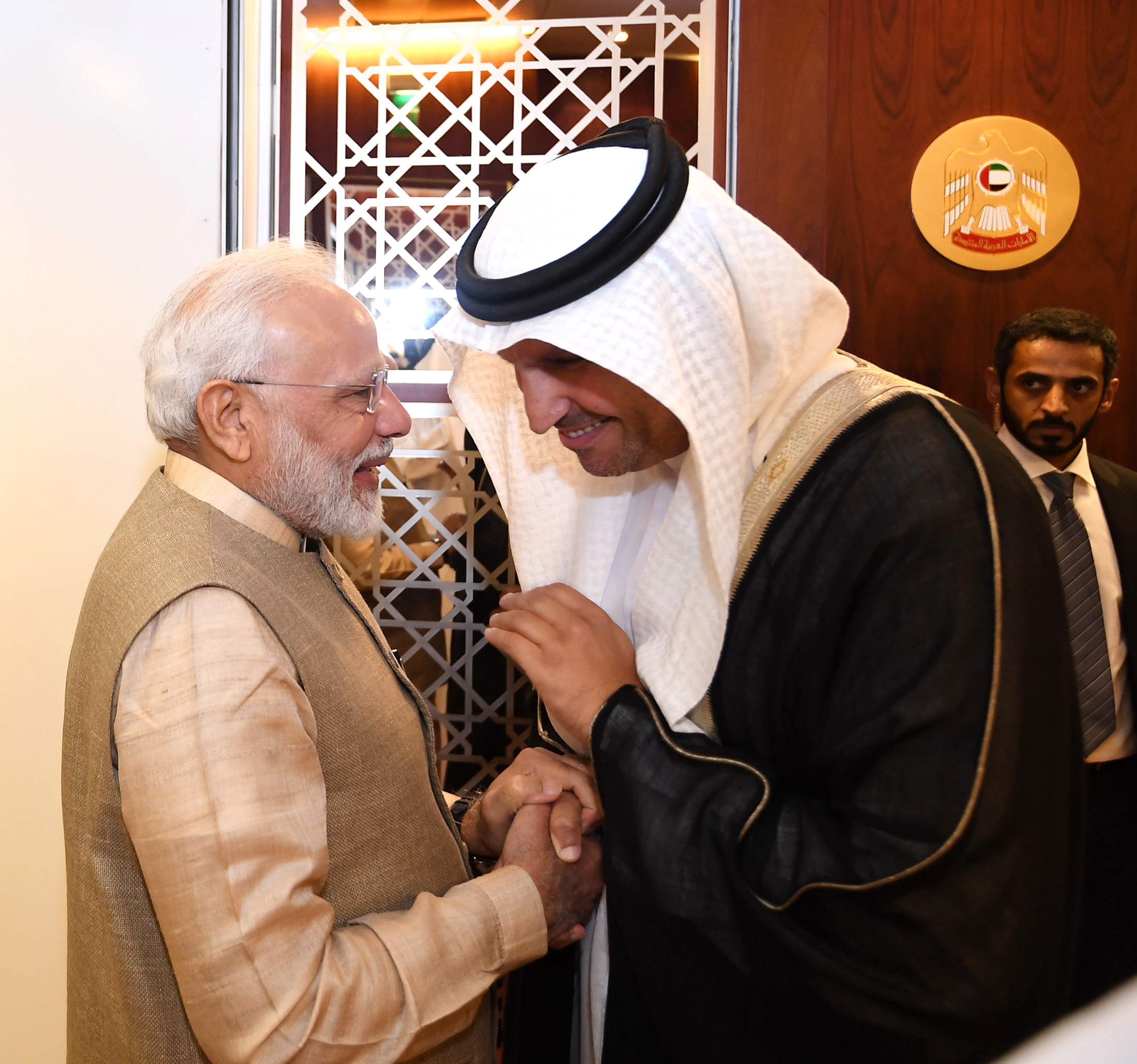
Prime Minister Narendra Modi undertook a visit to the UAE and Bahrain over the weekend. This was his.....
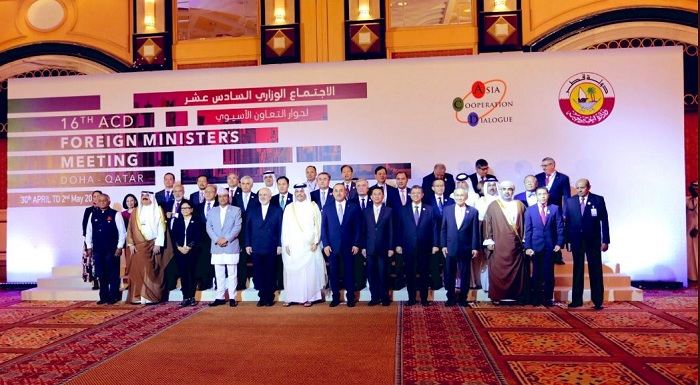
The 16th Ministerial meeting of the Asia Cooperation Dialogue (ACD) took place in Doha this week. Th.....
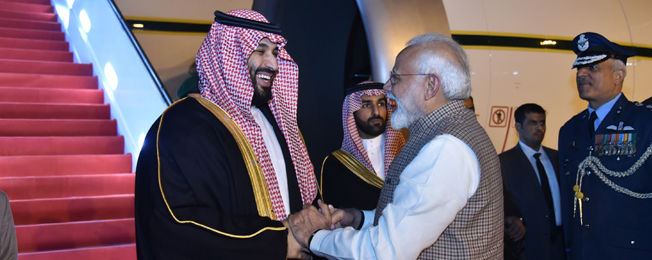
India’s relationship with the Gulf has witnessed a qualitative transformation since the A.....
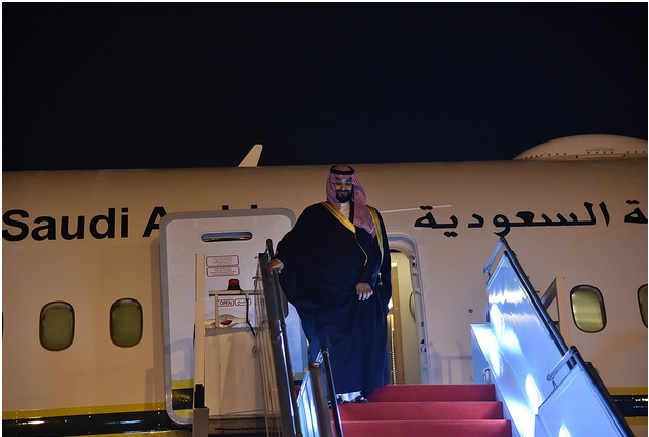
The visit of Saudi Minister of State for Foreign Affairs Adel al-Jubeir to New Delhi; close on the h.....
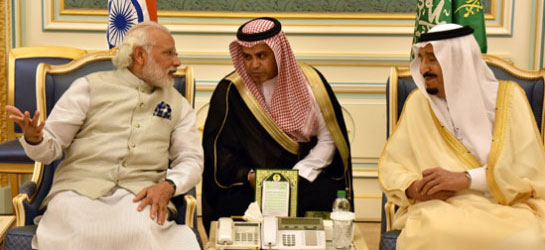
India and Saudi Arabia have increased defence and security cooperation in the fields of combating te.....
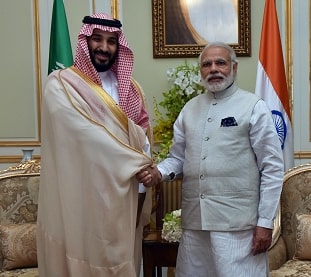
Economic and social reforms have emerged as the focus area in Saudi Arabia under the leadership of K.....
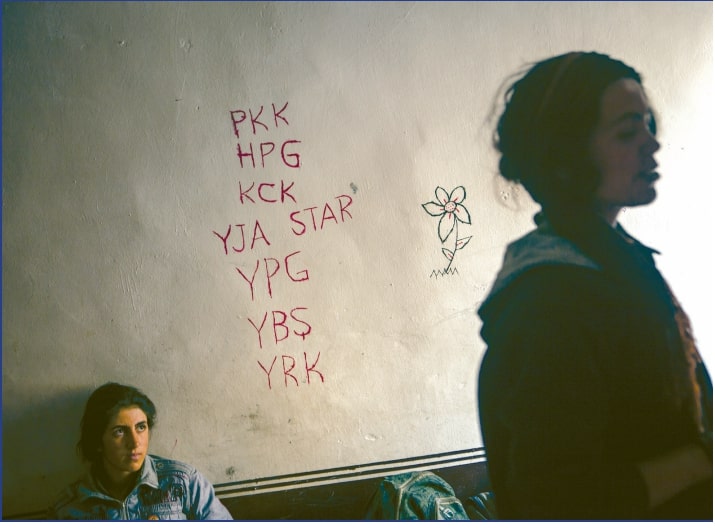
The US and Turkey are back on collision course over the Kurdish question in northern Syria. The late.....
The Civil War in Syria has ravaged the country, took the life of nearly 500,000 people and has force.....