Breaking

... for openness and credibility....

- MENU
... for openness and credibility....
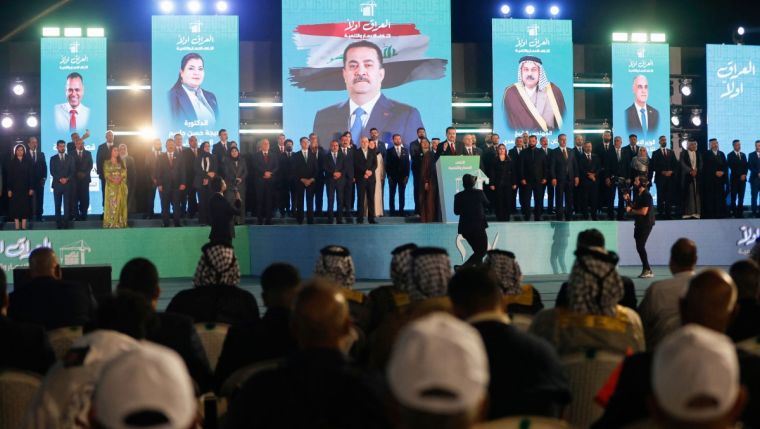
On 11 November 2025, Iraq is scheduled to hold parliamentary elections, the sixth since the post-2003 political transition. The fact that free and fair elections have become a norm for Iraqis to choose their representatives and form a government is significant, given the country's experience and the broader trend in the Middle East. That Iraqis have been able to develop and stick to a representative political process since the fall of Saddam Hussein is a notable achievement. However, challenges persist regarding political stability, particularly in government formation, which has become an increasingly contentious task. For example, in the wake of the fifth general elections, held on 10 October 2021, the Iraqi parliamentarians took 382 days to form a government. Finally, after much wrangling and tussling, Mohammed Shia al-Sudani, a former Minister of Labor and Social Affairs, emerged as a consensus figure and was appointed Minister on 27 October 2022. Notably, since 2003, the Iraqi parliament has, on average, taken 203 days to form a government after parliamentary elections.
Going by the current state of affairs in Iraq, the 11 November elections are unlikely to buck the trend. In fact, there is a serious diffusion among political groups. There are 31 alliances comprising 38 political parties that are in the fray, with a total of 7,768 candidates contesting the 329 seats. Notably, only about 3,000 candidates had contested the 2021 elections. Among the most important parties are groups backed by the powerful Iran-backed Shiite Coordination Framework (SCF) and armed umbrella organization Popular Mobilization Unit (PMU). These include Nouri al-Maliki’s State of Law, Hadi al-Amiri’s Fatah Alliance, Ammar al-Hakim’s Hikmah Movement, Haider al-Abadi’s Nasr Bloc, and Qais al-Khazali’s Asa’ib Ahl al-Haq.
A major Shiite group, which has strong popular support among the grassroots of poor urban voters, the Sadrist Movement, led by Moqtada al-Sadr, however, is boycotting the 2025 elections. The Sadrist bloc has emerged as the largest in the 2021 elections, but it had resigned en masse from parliament in protest against changes to the electoral laws in July 2023, as the new laws were allegedly designed to benefit the Iran-backed established political parties. However, many of the Sadrist dissidents are contesting the election as independents and might still make a difference in the newly elected parliament.
Besides, there are Sunni blocs, including the Takaddum Front, led by the powerful former speaker of parliament, Mohammed al-Halboushi; the Azm Front, led by Muthanna al-Samarrai; and the Sovereignty Alliance, led by Khamis al-Khanjar. In the Kurdish region, the Kurdistan Democratic Party (KDP) and Patriotic Union of Kurdistan (PUK), led by Masoud Barzani and Bafel Talabani, respectively, have traditionally vied for the political space. These Sunni and Kurdish parties have conventionally aligned with Shiite groups to form a government in Baghdad. However, since differences have emerged among the SCF, the formation of the government might become even more challenging. The incumbent prime minister, Shia al-Sudani, who the SCF initially installed, has strived to become autonomous of their influence, and in the quest to emerge as a major force, has floated his own coalition along with some other leaders.
In the run-up to the elections, the electoral changes brought in March 2023 have emerged as a major contentious issue. The changes to the electoral framework have effectively reinstatedthe pre-2020 electoral system, raising hopes among established parties to regain lost ground. During the 2021 elections, following changes to the party-list system introduced earlier, smaller and new parties gained a significant number of seats. The 2023 changes, which bring back the party-list system, are likely to undo the gains made by the Sadrists and new and small parties led by the leaders of the 2019 Tishreen movement. In effect, this would give the Iran-backed SCF and PMU a greater say in the formation of the government.
If the SCF and PMU-supported parties gain a greater number of seats in parliament, the Islamic Republic will likely be able to exert influence and ensure that the government in Baghdad remains aligned with Iran. The extraordinary Iranian influence on Iraqi politics has been a significant challenge for the past two decades, and many Iraqi leaders, including the former Prime Minister Mustafa al-Kadhimi and the populist Moqtada al-Sadr, have been sidelined due to their efforts to emerge from Tehran’s shadows.
Prime Minister Sudani, despite being chosen as the leader of the ruling coalition by the Iran-backed parties, has also been trying to gain greater autonomy, albeit with limited success. The regional situation since the 7 October attacks has made it all the more important for Sudani to reduce Iranian influence, but these risks losing power. Hence, finding a balance between autonomy and external pressures would be a major challenge for the new government in Baghdad.
Notwithstanding the political wrangling, two larger issues have emerged with serious implications for Iraq's future. Firstly, the parties that emerged from the 2019 Tishreen movement, with demands focusing on better governance and the end of sectarian politics, are facing an existential challenge. Suppose these demands, which have support among a cross-section of Iraqi youth, comprising nearly 60 percent of the population, continue to be ignored. In that case, it is likely to create discontent and, in turn, increase popular unrest.
Secondly, there is a serious question about declining electoral participation. The voter turnout in parliamentary elections has consistently declined, dropping from 79 percent in 2005 to 43 percent in 2021. In the 2025 elections, the turnout is likely to drop further, given the boycott call by the Sadrists and the disenchantment among young voters. This is even more concerning given that only 21 million of the estimated 30 million eligible voters have registered to vote, which means nearly nine million have not registered. That is, the actual voting percentage would be even lower than the expected turnout, which is already expected to be low.
The actual situation would become clearer only after the elections on November 11, but if recent trends are any indication, Iraq is heading towards another political impasse. If it happens, this will paralyze governance and create further unrest among the masses. It is time for Iraqi politicians and parties to think long and hard about the future and find a way to continue on the path of democratization without compromising on good governance and public participation. If ignored, chronic political dysfunction can lead to serious unrest that threatens the nascent democratization trend.
The author is an Associate Professor at Jawaharlal Nehru University, New Delhi.
Note: This article was originally published in The Week on 08 November 2025 and has been reproduced with the permission of the author. Web Link
As part of its editorial policy, the MEI@ND standardizes spelling and date formats to make the text uniformly accessible and stylistically consistent. The views expressed here are those of the author and do not necessarily reflect the views/positions of the MEI@ND. Editor, MEI@ND: P R Kumaraswamy
Md. Muddassir Quamar is an Associate Professor at the Centre for West Asian Studies, Jawaharlal Nehru University, New Delhi.
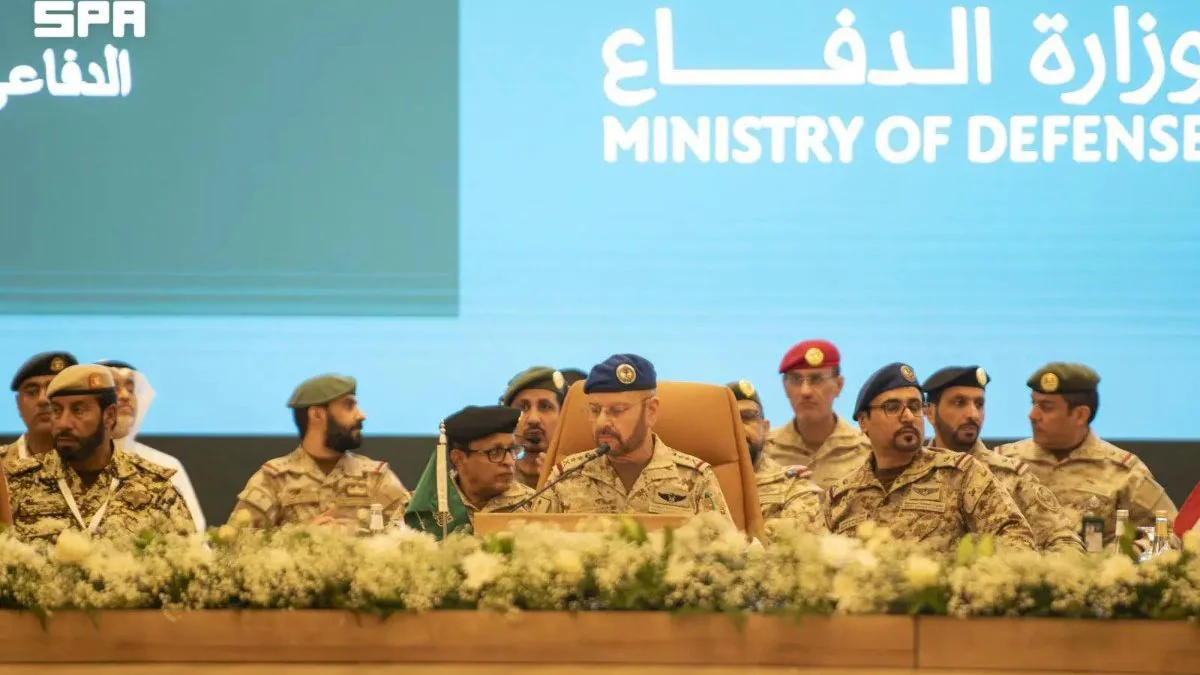
On 30 July 2026, Saudi Arabia, along with 13 other countries (Bahrain, Bangladesh, Comoros, Djibouti.....
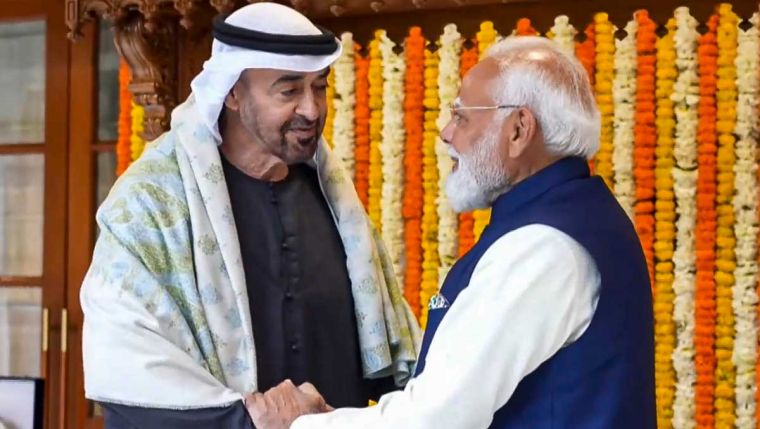
The effectiveness of diplomacy may not always lie in elaborate and planned events. At times, a small.....
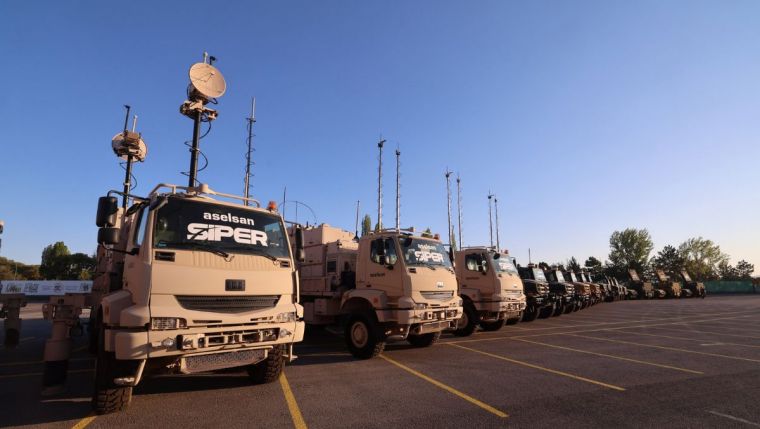
On August 27, 2025, Türkiye unveiled an integrated air defence system called "Steel Dome,&.....
On January 17, 2022, the United Arab Emirates (UAE) was rocked by two attacks after drone attacks ta.....
Within a span of just over a year since the announcement of the Abraham Accords, between Israel and .....
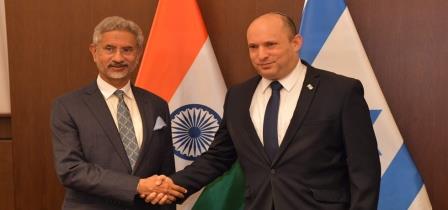
External Affairs Minister S. Jaishankar’s visit to Israel signifies the burgeoning Indo-Israel.....
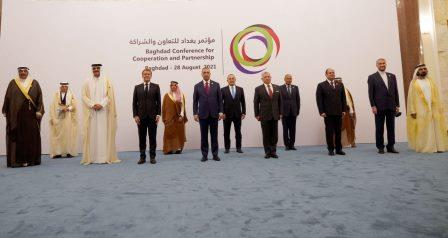
On 28 August 2021, Iraq hosted the first “Baghdad Conference for Cooperation and Partnership&r.....
Recent developments in Afghanistan–the US military withdrawal and return of Taliban– has.....
The Taliban takeover of Afghanistan has wider ramifications for the world. Among the key questions t.....
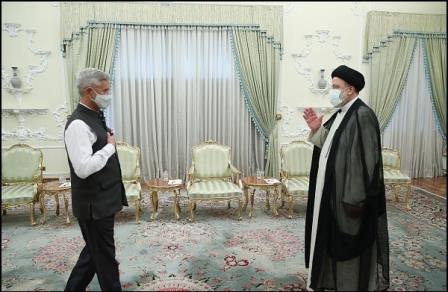
External Affairs Minister S. Jaishankar attended the swearing-in ceremony of the new Iranian preside.....
The revitalisation of ties with Iran will remain confined to the immediate issue of shared interests.....
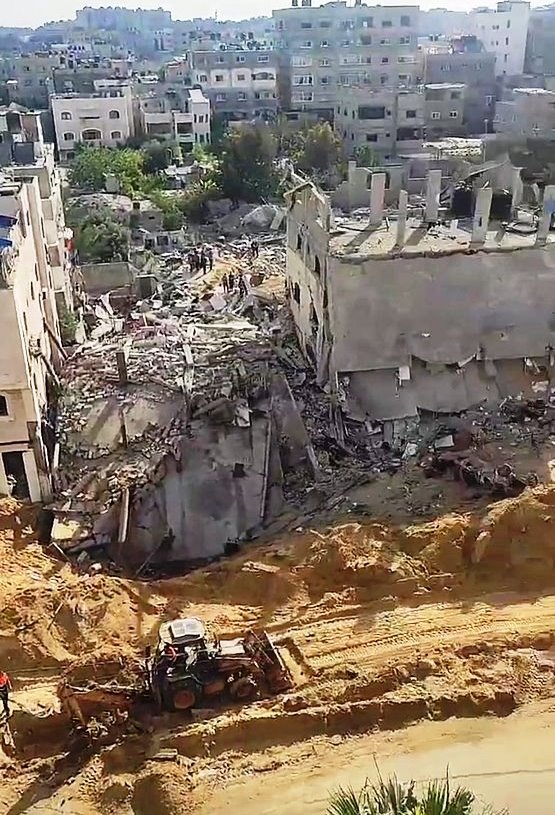
Israel and Hamas have engaged in fighting each other since 2006 when Hamas emerged victorious in the.....
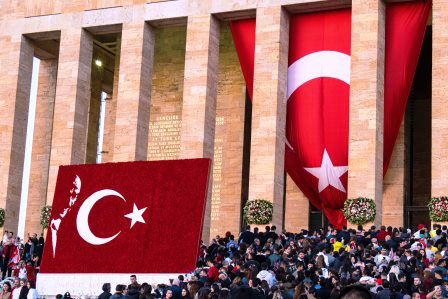
Tensions have gripped the Eastern Mediterranean (East Med) for the past few months owning to differe.....
Qatar is an important country in the Gulf with which India has traditionally had strong bilateral ti.....
International geopolitical developments and the growing chances of friction between the global power.....
In recent years, Turkey’s foreign policy has attracted scrutiny because of its aggressive post.....
India and the United Arab Emirates share a vision for peace and prosperity. Under the leadership of .....
The coming to power of the AKP is one of the defining moments in the history of modern Turkey. Here .....
Though the news of China and Iran entering into US$400 billion agreement and Iran going ahead with C.....
India’s relationship with the Gulf has witnessed a qualitative transformation since the August.....
The results of country-wide municipal elections in Turkey held on 31 March 2019 threw a few surprise.....
Like other parts of the world, West Asia (or the Middle East) too is hit hard by the spread of COVID.....
Iraq is suffering from internal divisions and external interventions for long. The problems of the p.....
The West Asia is one of the most volatile and conflict-ridden regions in the world today. Given the .....
In the Persian Gulf, the New Year began with a bang. On January 3, the world woke up to the news of .....
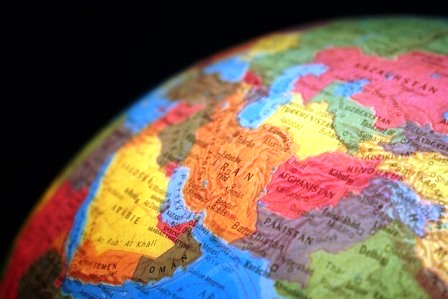
Major General Qassem Soleimani, commander of the elite Quds Force of the Iranian Revolutionary Guard.....
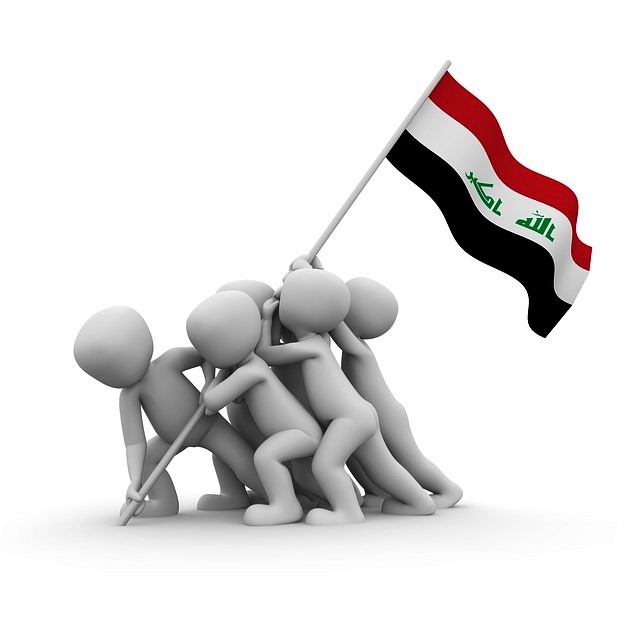
For over two months, youth in Iraq are protesting against corruption, unemployment and Iranian and A.....
The historic relations between India and the Gulf countries have undergone a qualitative transformat.....
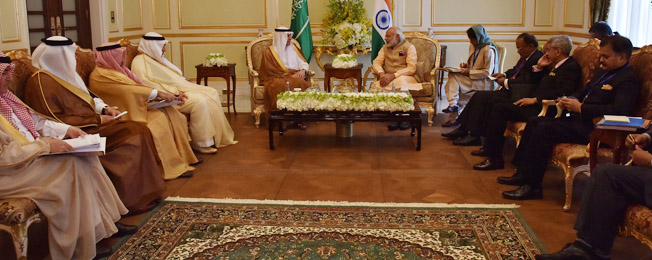
India and Saudi Arabia enjoy traditional friendly ties. Both are strategic partners and are working .....
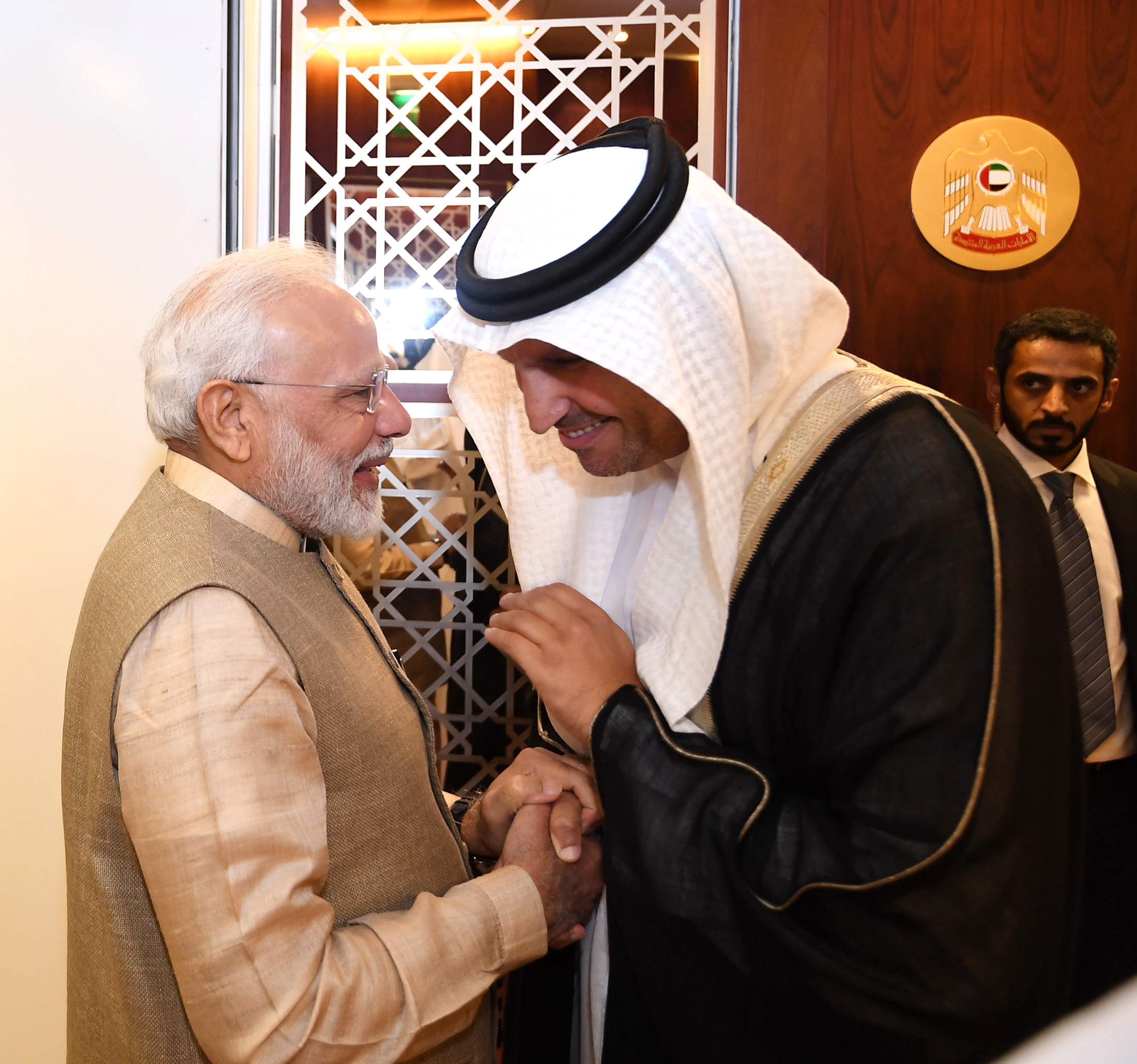
Prime Minister Narendra Modi undertook a visit to the UAE and Bahrain over the weekend. This was his.....
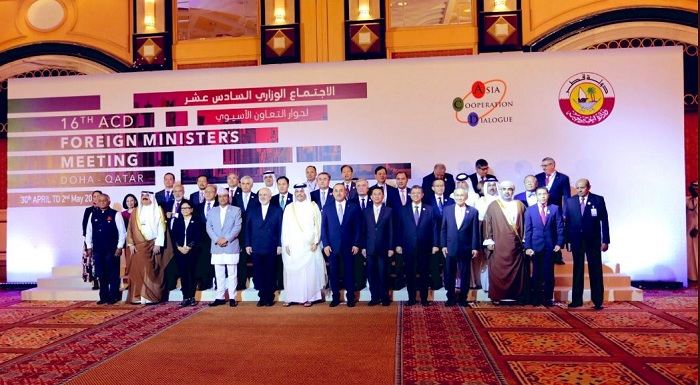
The 16th Ministerial meeting of the Asia Cooperation Dialogue (ACD) took place in Doha this week. Th.....
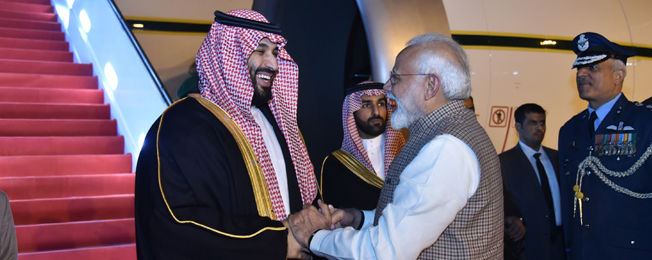
India’s relationship with the Gulf has witnessed a qualitative transformation since the A.....
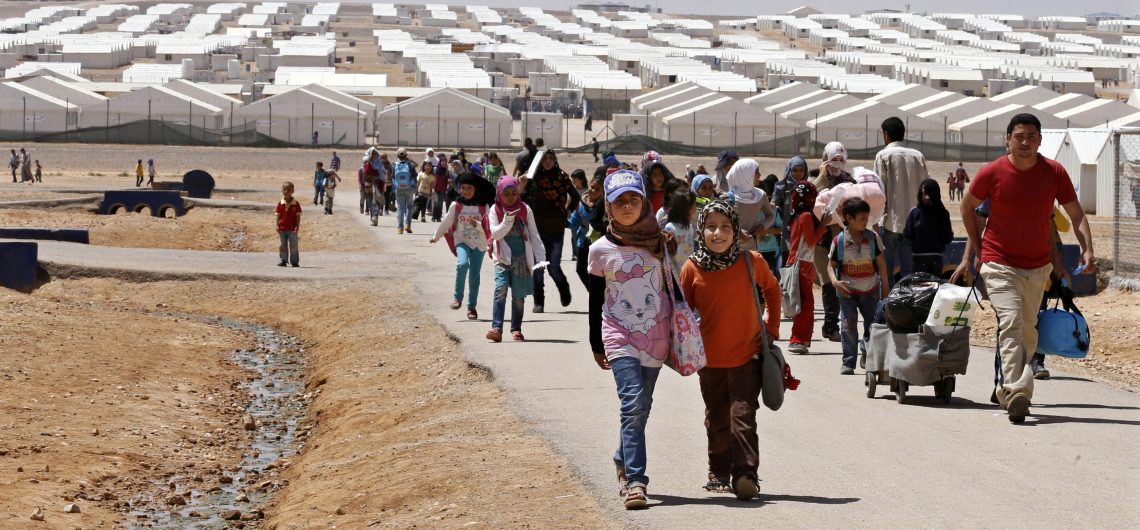
On March 24, 2019, the US-backed Syrian Democratic Forces (SDF) announced the capture of Baghouz, a .....
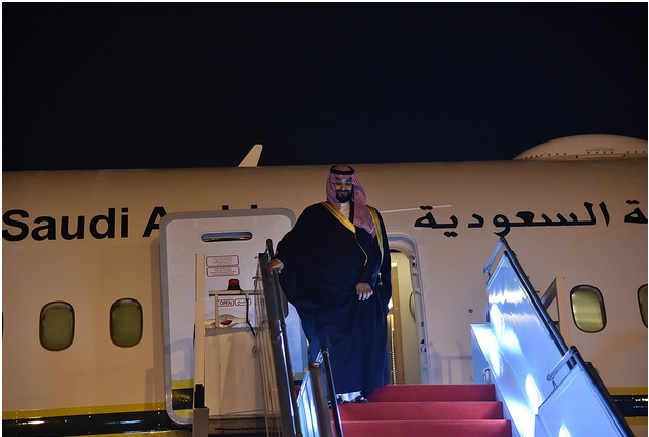
The visit of Saudi Minister of State for Foreign Affairs Adel al-Jubeir to New Delhi; close on the h.....
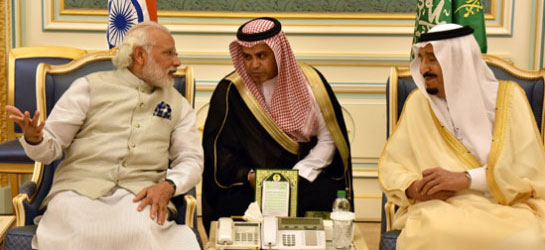
India and Saudi Arabia have increased defence and security cooperation in the fields of combating te.....
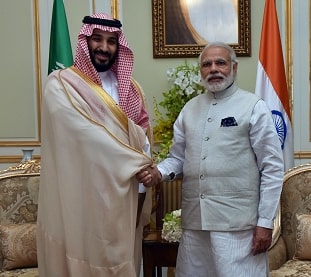
Economic and social reforms have emerged as the focus area in Saudi Arabia under the leadership of K.....
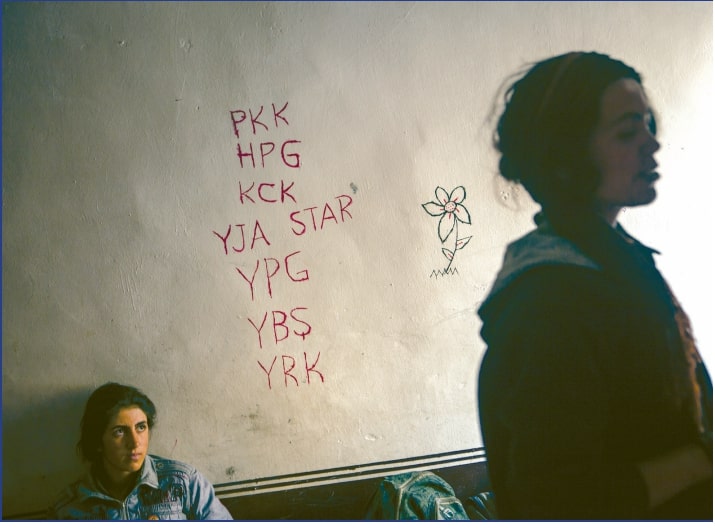
The US and Turkey are back on collision course over the Kurdish question in northern Syria. The late.....
The Civil War in Syria has ravaged the country, took the life of nearly 500,000 people and has force.....