Breaking

... for openness and credibility....

- MENU
... for openness and credibility....
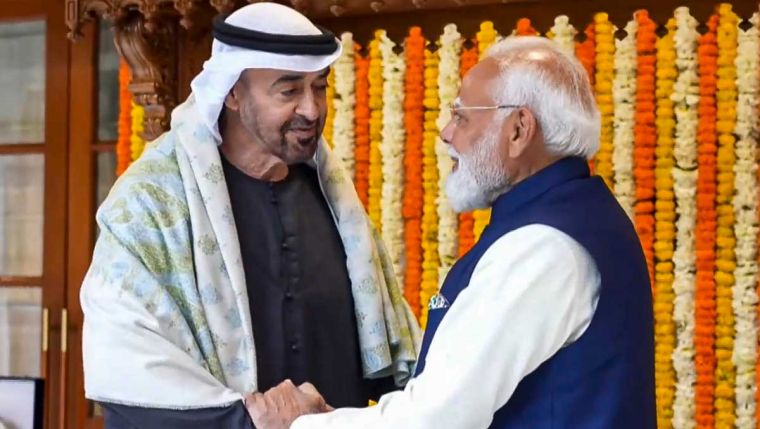
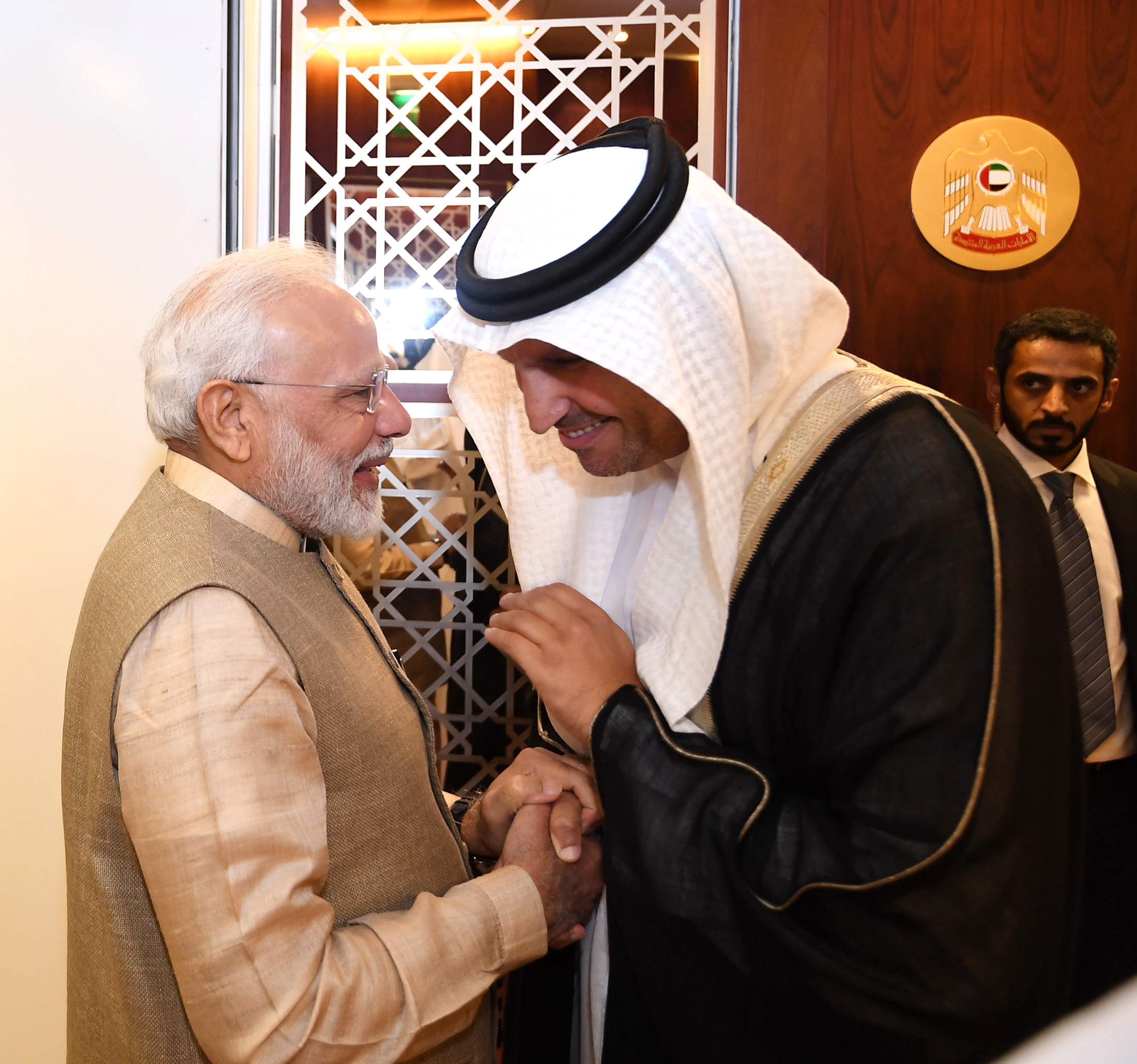
The effectiveness of diplomacy may not always lie in elaborate and planned events. At times, a small gesture, an unexpected talk, or a quick stopover can signal more than long parleys. Such signalling can conceal as much as it reveals. The brief visit of Sheikh Mohamed bin Zayed Al Nahyan (MbZ) to New Delhi on January 19 was one such event. The UAE president was in the capital for about three hours and was received by Prime Minister Narendra Modi at the airport. The bilateral meeting took place at the prime minister's residence, and he flew back shortly thereafter.
The formal announcement of the visit came only 24 hours before, sparking speculation about its urgency and significance. Although it is difficult to say exactly what necessitated the flying in and out, it certainly underscored the maturing of Indo-UAE relations beyond the formalities of diplomatic manoeuvring and protocol. It was the fifth visit by MbZ to New Delhi in 10 years and the third since taking over the Emirati presidency in 2022. PM Modi has also visited the UAE seven times since his first visit in August 2015. The comfort and camaraderie shared between the two leaders reflect the depth of bilateral ties.
The timing of the visit created the most buzz. It came at a time when the Middle East was witnessing a series of notable developments. The signing of the strategic mutual defence agreement (SMDA) between Saudi Arabia and Pakistan in September 2025, along with news of Türkiye's keenness to join, sparked debate over a potential military alliance. It gained a new dimension in light of the tensions between Saudi Arabia and the UAE, especially in Yemen, wherein Saudi forces targeted the UAE-supported Southern Transition Council (STC), evoking fear of a new rivalry brewing in the Persian Gulf. The Saudi-UAE divergences in the Horn of Africa further heightened such speculations.
Another dimension was added when viewed alongside developments between Israel and Saudi Arabia. The latter has decided to put the negotiations on joining the Abraham Accords on the back burner after the October 2023 Hamas attacks and the Gaza War. The timing of the SMDA, coming months after India’s Operation Sindoor against Pakistan in May 2025 and the 12-day Israel-Iran war, has led some to underline the overlaps between security situations in South Asia and the Middle East.
The signing of a Letter of Intent during MbZ's visit to New Delhi to develop a strategic defence partnership between India and the UAE, seen alongside Indo-Israeli defence ties and growing strategic alignment between Israel and the UAE, gives credence to speculation about rival military blocs in the Middle East: Saudi Arabia, Pakistan, and Türkiye on one side and India, Israel, and the UAE on the other. This puts the two South Asian rivals, India and Pakistan, on opposing sides.
The Indian Ministry of External Affairs put such speculations to rest when Foreign Secretary Vikram Misri said during a media briefing after MbZ’s visit that the signing of the LoI should be viewed “as a natural evolution from the already considerable defence cooperation between the two countries and not necessarily a response to any specific event that may have taken place in the region, or of any intent to get involved in a hypothetical future scenario in the region”.
Two other regional developments, too, made the timing of the visit notable. The preparation for the beginning of the second phase of the Trump Peace Initiative in the Gaza Strip and the announcement about the “Board of Peace”. Notably, Prime Minister Modi, along with 60 other world leaders, including MbZ, were on Trump's invitee list. Although New Delhi has thus far kept its plans on accepting or declining the invitation under wraps, the likelihood of the two leaders exchanging views on the issue during their meeting made it important.
The recent developments in Iran, which witnessed widespread protests reflecting growing discontent over a poor economic situation and rising prices, might have been a likely issue of discussion. The fact that nearly 5,000 deaths have been reported in just over two weeks and that the Trump administration threatened to use military force if the Iranian leadership continued execution of the protesters made the situation explosive and worrisome. For India and the UAE, security and stability in the Persian Gulf are paramount, making the Modi-MbZ meeting significant.
Notwithstanding the speculations, the focus of the visit was bilateral. Several important agreements and announcements were signed, along with the LoI for a strategic defence partnership. Two other LoIs were signed: one for investment cooperation in the development of the Dholera Special Investment Region in Gujarat and one for a joint initiative to enable the development of the space industry and commercial collaboration.
Moreover, India and the UAE agreed on a long-term sales and purchase agreement under which Abu Dhabi National Oil Company would supply 0.5 million tonnes of LNG per year to India's HPCL from 2028 for 10 years. An MoU was also signed on food safety and technical requirements to facilitate and enhance Indian food exports to the UAE. Several other important announcements were made, including the establishment of a supercomputing cluster in India, and the two sides agreed “to develop a partnership in advanced nuclear technologies, including development and deployment of large nuclear reactors and Small Modular Reactors (SMRs) and cooperation in advanced reactor systems, nuclear power plant operations and maintenance, and nuclear safety”.
Announcements were also made about the planned opening of a First Abu Dhabi Bank branch and the establishment of a DP World office, both in GIFT City, Gujarat. It was also agreed that both countries would explore the possibility of setting up digital embassies. The two sides also agreed to promote youth exchange to foster deeper understanding, academic and research collaboration, and cultural bonds among future generations. An agreement to establish a "House of India" in Abu Dhabi was announced, which will serve as a cultural space comprising, among other things, a museum of Indian art, heritage, and archaeology showcasing India.
Finally, the two sides agreed to double bilateral trade to US$200 billion by 2032. The UAE is India's third-largest trading partner, and bilateral trade between the two countries has surpassed US$100 billion in 2024-25. Notably, the non-oil trade has reached US$36 billion, and India and the UAE have already agreed to work towards US$100 billion by 2030.
Looking at what was revealed to the public, MbZ’s visit was significant, underlining close ties and expanding the horizons of bilateral relations. It did, however, create a buzz beyond the bilateral agenda. Although speculating on what was discussed beyond what is publicly stated can be counter-intuitive, the timing and manner of the visit lend credence to India’s growing regional approach to the Gulf and the Middle East.
The author is an associate professor of Middle East studies at Jawaharlal Nehru University.
Note: This article was originally published in The Week on 24 January 2026 and has been reproduced with the permission of the author. Web Link
As part of its editorial policy, the MEI@ND standardizes spelling and date formats to make the text uniformly accessible and stylistically consistent. The views expressed here are those of the author and do not necessarily reflect the views/positions of the MEI@ND. Editor, MEI@ND: P R Kumaraswamy
Md. Muddassir Quamar is an Associate Professor at the Centre for West Asian Studies, Jawaharlal Nehru University, New Delhi.
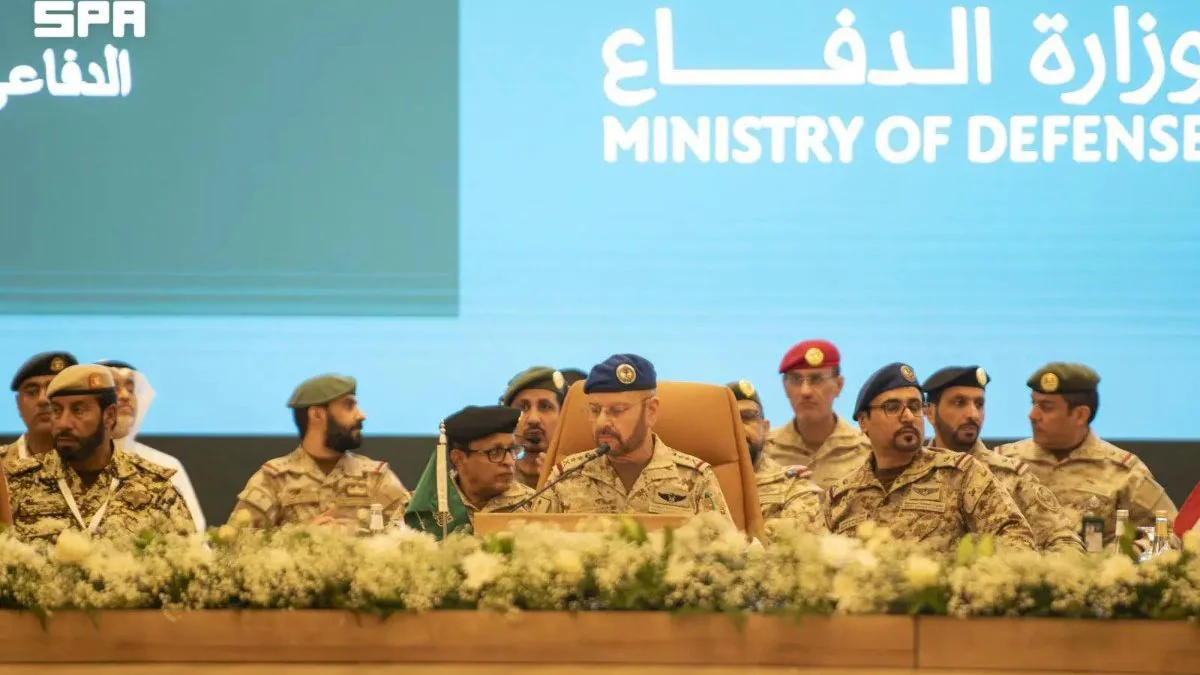
On 30 July 2026, Saudi Arabia, along with 13 other countries (Bahrain, Bangladesh, Comoros, Djibouti.....
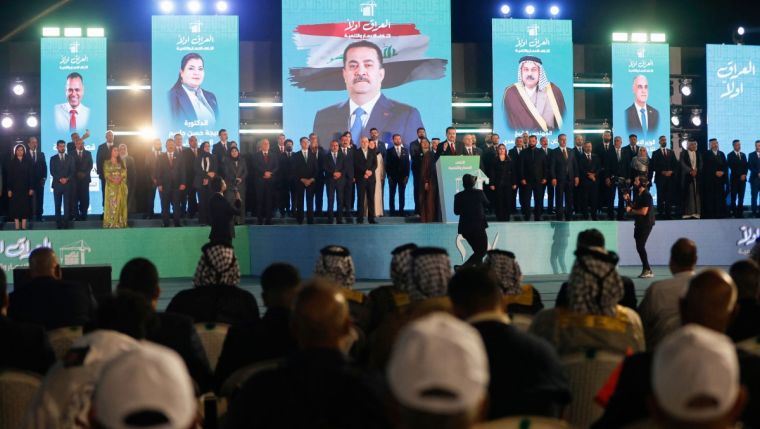
On 11 November 2025, Iraq is scheduled to hold parliamentary elections, the sixth since the post-200.....
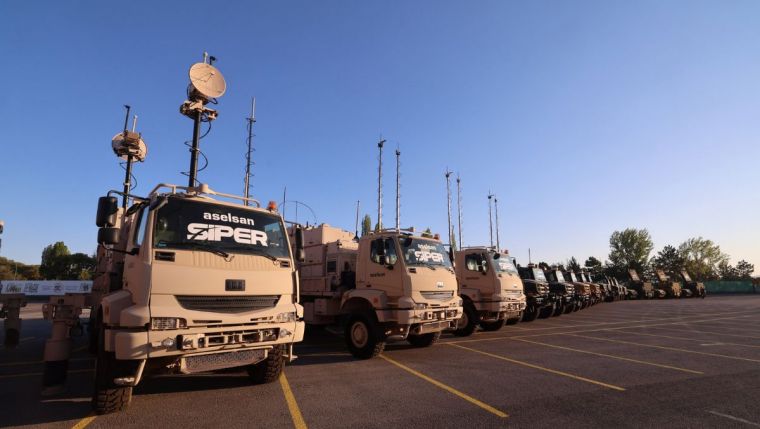
On August 27, 2025, Türkiye unveiled an integrated air defence system called "Steel Dome,&.....
On January 17, 2022, the United Arab Emirates (UAE) was rocked by two attacks after drone attacks ta.....
Within a span of just over a year since the announcement of the Abraham Accords, between Israel and .....
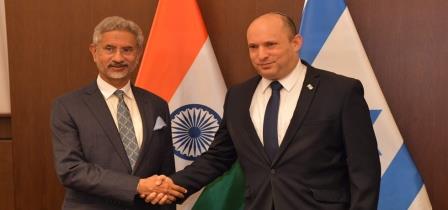
External Affairs Minister S. Jaishankar’s visit to Israel signifies the burgeoning Indo-Israel.....
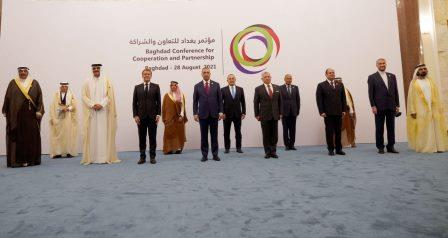
On 28 August 2021, Iraq hosted the first “Baghdad Conference for Cooperation and Partnership&r.....
Recent developments in Afghanistan–the US military withdrawal and return of Taliban– has.....
The Taliban takeover of Afghanistan has wider ramifications for the world. Among the key questions t.....
External Affairs Minister S. Jaishankar attended the swearing-in ceremony of the new Iranian preside.....
The revitalisation of ties with Iran will remain confined to the immediate issue of shared interests.....
Israel and Hamas have engaged in fighting each other since 2006 when Hamas emerged victorious in the.....
Tensions have gripped the Eastern Mediterranean (East Med) for the past few months owning to differe.....
Qatar is an important country in the Gulf with which India has traditionally had strong bilateral ti.....
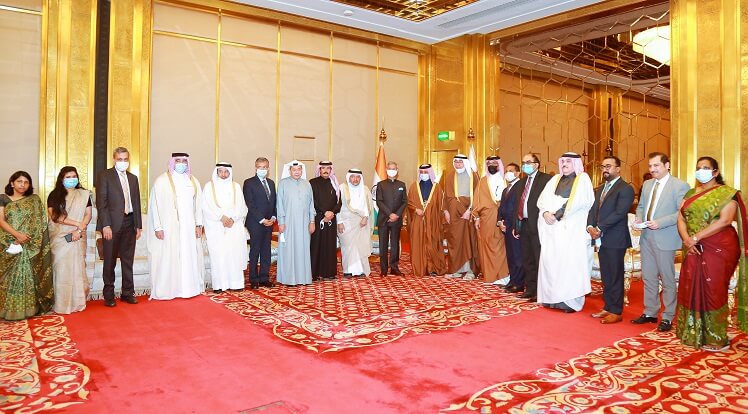
International geopolitical developments and the growing chances of friction between the global power.....
In recent years, Turkey’s foreign policy has attracted scrutiny because of its aggressive post.....
India and the United Arab Emirates share a vision for peace and prosperity. Under the leadership of .....
The coming to power of the AKP is one of the defining moments in the history of modern Turkey. Here .....

Though the news of China and Iran entering into US$400 billion agreement and Iran going ahead with C.....
India’s relationship with the Gulf has witnessed a qualitative transformation since the August.....
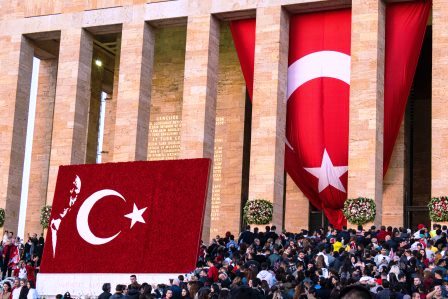
The results of country-wide municipal elections in Turkey held on 31 March 2019 threw a few surprise.....
Like other parts of the world, West Asia (or the Middle East) too is hit hard by the spread of COVID.....
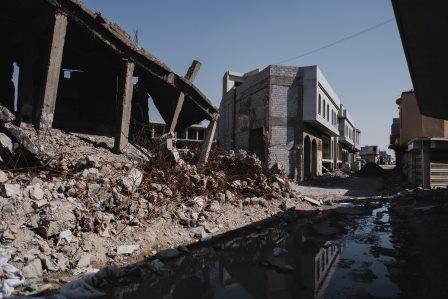
Iraq is suffering from internal divisions and external interventions for long. The problems of the p.....
The West Asia is one of the most volatile and conflict-ridden regions in the world today. Given the .....
In the Persian Gulf, the New Year began with a bang. On January 3, the world woke up to the news of .....
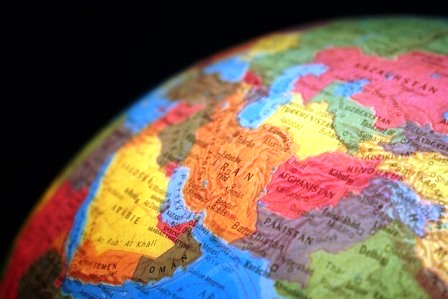
Major General Qassem Soleimani, commander of the elite Quds Force of the Iranian Revolutionary Guard.....
For over two months, youth in Iraq are protesting against corruption, unemployment and Iranian and A.....
The historic relations between India and the Gulf countries have undergone a qualitative transformat.....
India and Saudi Arabia enjoy traditional friendly ties. Both are strategic partners and are working .....
Prime Minister Narendra Modi undertook a visit to the UAE and Bahrain over the weekend. This was his.....
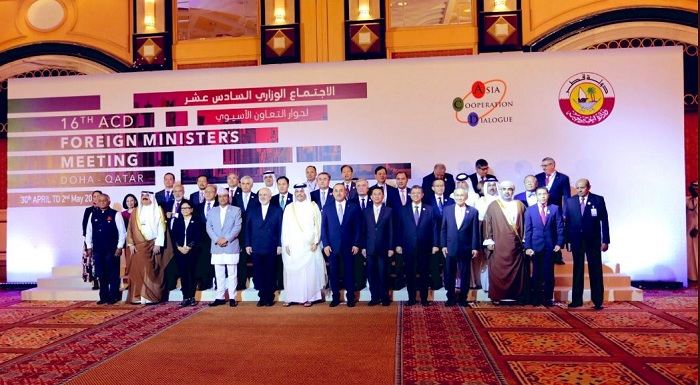
The 16th Ministerial meeting of the Asia Cooperation Dialogue (ACD) took place in Doha this week. Th.....
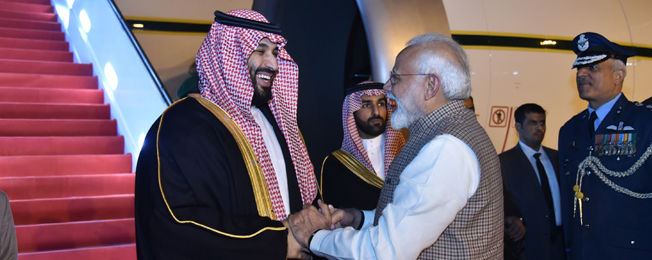
India’s relationship with the Gulf has witnessed a qualitative transformation since the A.....
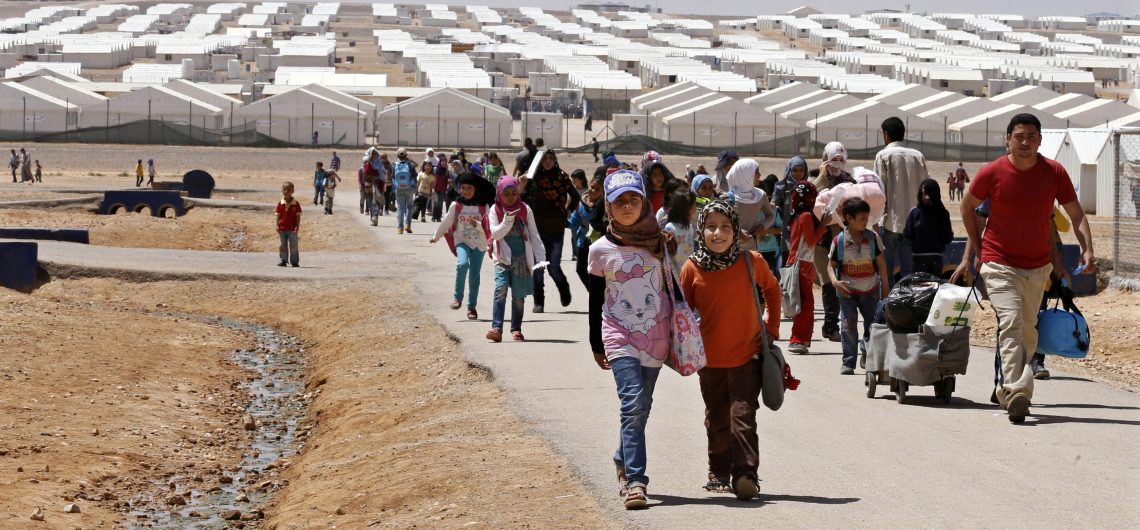
On March 24, 2019, the US-backed Syrian Democratic Forces (SDF) announced the capture of Baghouz, a .....
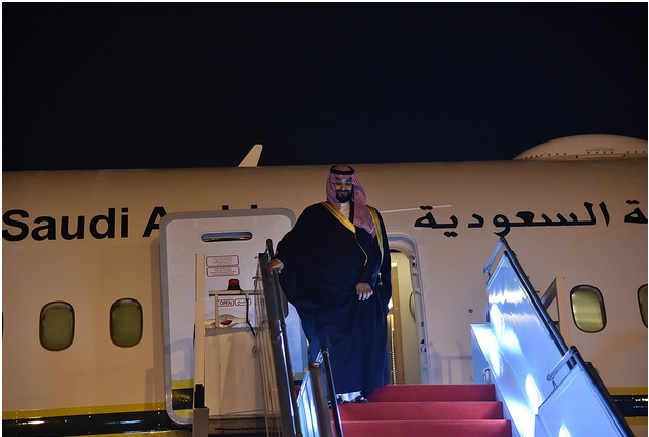
The visit of Saudi Minister of State for Foreign Affairs Adel al-Jubeir to New Delhi; close on the h.....
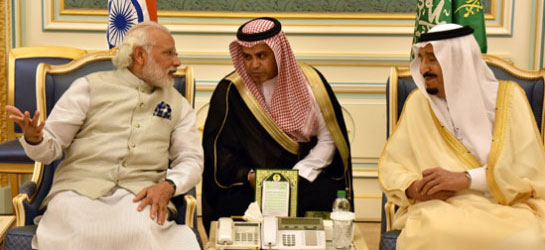
India and Saudi Arabia have increased defence and security cooperation in the fields of combating te.....
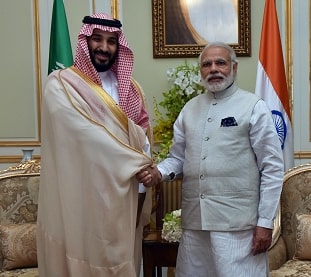
Economic and social reforms have emerged as the focus area in Saudi Arabia under the leadership of K.....

The US and Turkey are back on collision course over the Kurdish question in northern Syria. The late.....
The Civil War in Syria has ravaged the country, took the life of nearly 500,000 people and has force.....