Breaking

... for openness and credibility....

- MENU
... for openness and credibility....
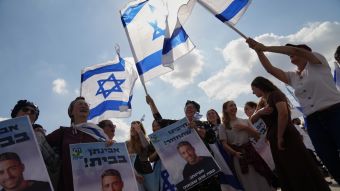
The recently released data from the Tel Aviv Stock Exchange (TASE) shows that Israel bucked global and regional trends, posting multiple record highs in 2025 and outperforming global markets, including the US, despite intermittent combat with Hamas in Gaza and military strikes in Iran. While the GCC stock markets have experienced rapid sell-offs amid escalating geopolitical threats in recent years, TASE has exhibited greater resilience and faster post-shock stabilisation.
Israel’s robust post-COVID economic recovery in 2022-23 encountered strong headwinds from global financial tightening, beginning with aggressive US interest rate hikes in 2022 and heightened domestic political uncertainties. Higher interest rates affect capital flows, and new foreign direct investment inflows to the high-tech sector declined by about 50-60 per cent from the average in the preceding three years. The real estate sector, which had high debt exposure, also became vulnerable to rising borrowing costs. The 7 October Hamas attack on Israel, with consequent war in Gaza, triggered immediate financial stress. The shekel fell sharply against the dollar, briefly crossing the NIS4 mark for the first time in a decade. The equities and government bond markets also experienced sharp but temporary losses.
However, Israel entered the war with strong macro-financial buffers, including an international position surplus of about US$205 billion. The Bank of Israel announced a large foreign exchange intervention programme that soon stabilised the currency. The GDP contracted in the fourth quarter of 2023, reducing the annual growth rate to 2 per cent in 2023. Both the currency and capital markets recovered in 2024 as investors’ risk sentiment eased amid stable macroeconomic fundamentals. According to TASE, in 2024, about 161,000 new accounts were opened in Israel’s capital market, about three times the previous year's figure. In 2024, despite war-related disruptions, the overall economy grew at an estimated 1%.
The economy grew at an estimated 3.1 percent in 2025, exceeding earlier forecasts and illustrating resilience in the post-war period. The global capital funnelled back into growth and tech sectors, as US interest rate expectations fell during the year. High-tech products and services constitute about 20% of Israel’s GDP and about 56% of its global exports. By late 2025, the shekel appreciated strongly against the dollar, trading at a multi-year high, a sign of investors’ confidence amid robust macroeconomic fundamentals.
Reflecting the market's confidence in the government's ability to maintain macroeconomic stability amid conflict has been the Tel Aviv stock market's performance. The flagship Israeli indices TA-35 and TA-125 were trading at record levels, even as Israel and later the US attacked nuclear facilities in Iran in June 2025. In what may be symbolically seen as a defiance ofshocks, TA-35 hit a 52-week high, even when Iran’s missilesattacked the Tel Aviv Stock Exchange building that June. This is in sharp contrast to sizable losses in other regional stock markets, such as TASI (Saudi stock exchange), amid fears of a broader Middle East war.
Israel’s perceived military effectiveness over Iran and the decimation of Hezbollah in Lebanon had bolstered investors’ confidence in the defence and financial sectors. Energy-linkedfirms benefited from price hikes driven by regional security risk premiums. Banks were supported by recovering domestic consumption and stable credit conditions. The foreign investors' confidence remained resilient in the technology, financial, and defense sectors. According to TASE reports, the value of holdings by foreign institutional investors in non-dual-listed shares reached a record high of US$19.2 billion in September 2025, an increase of about 70 per cent.
Since January 2026, Israel has shifted from its past practice of stock exchange trading on Sunday to Thursday, which aligned with the regular working days of the Jewish state. It switchedto Monday-to-Friday trading in line with global markets. In recent weeks, as geopolitical tensions ripple across the region, Israel’s stock market, led by TASE, has demonstrated steadier performance with underlying upward momentum relative to its GCC peers.
More than current conditions, markets reflect expectations for the future. Investors in the GCC markets, such as the Saudi Arabian and the UAE exchanges, have reacted more directlyto fluctuations in oil prices and geopolitical headlines. However, Israel’s steadier market movements reflect investors’ perception of its diversified sectoral composition,with a strong technological component, and its resilience to geopolitical shocks.
The author teaches at the Centre for West Asian Studies, Jawaharlal Nehru University, New Delhi.
Note: This article was originally published in The Week on 20 February 2026 and has been reproduced with the permission of the author. Web Link
As part of its editorial policy, the MEI@ND standardizes spelling and date formats to make the text uniformly accessible and stylistically consistent. The views expressed here are those of the author and do not necessarily reflect the views/positions of the MEI@ND. Editor, MEI@ND: P R Kumaraswamy
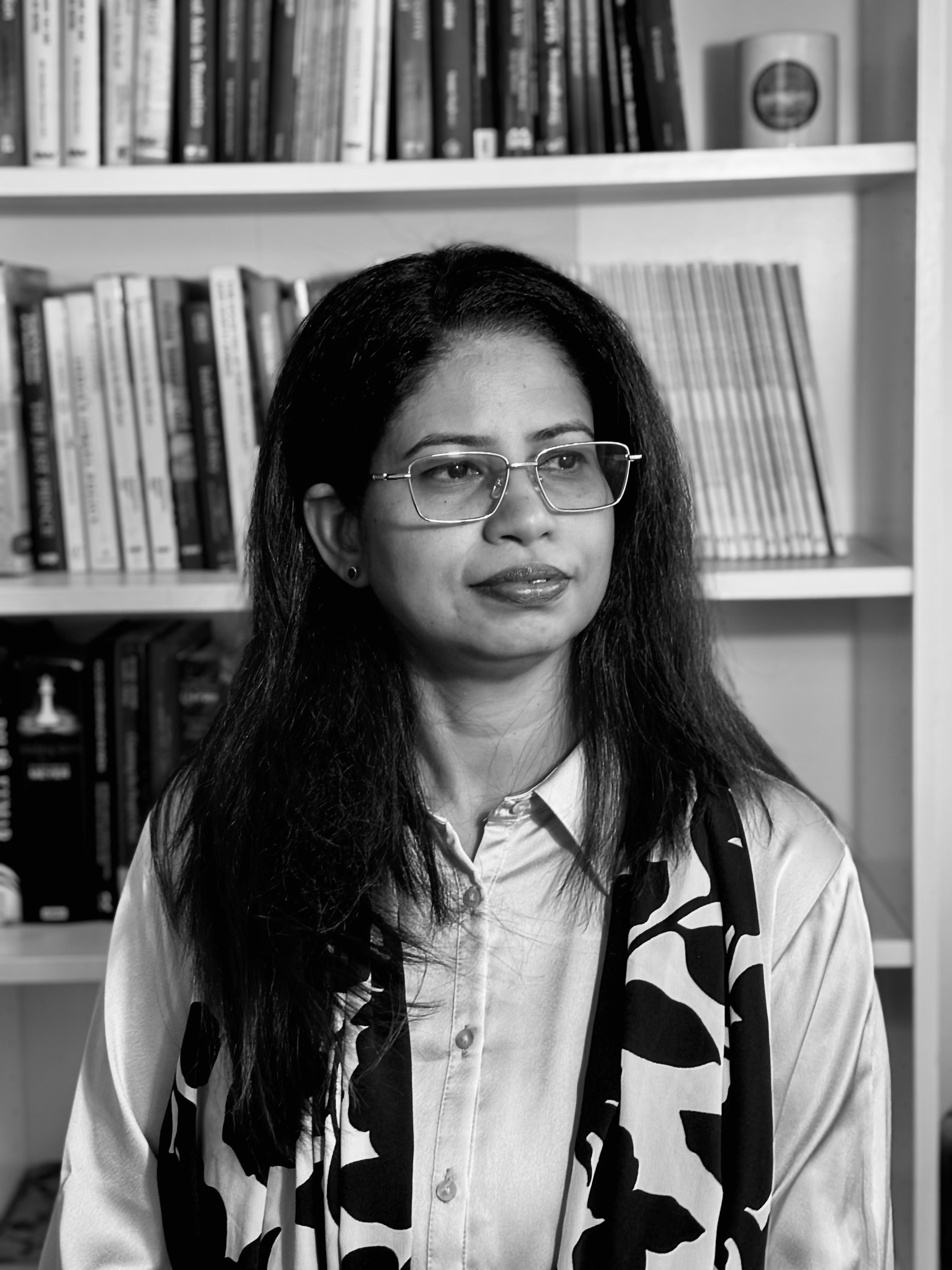
Sameena Hameed is a Professor in Middle Eastern Studies at Jawaharlal Nehru University, New Delhi. Her areas of specialization include the Middle Eastern economy, India's economic relations with the Middle East, and energy security issues. She has co-authored the book Persian Gulf 2024-25 India’s Relations with the Region (Palgrave Macmillan) and its previous volumes since 2020. She is also the Book Review Editor of the SAGE journal Contemporary Review of the Middle East and editor of books, Youth Bloom in GCC (2022), and COVID-19 in the Middle East and North Africa (2025). Besides, she has several monographs, journal articles, and chapters in edited volumes. In addition, she has prepared research papers and study reports for the Ministry of External Affairs and other trade and commerce organizations like ASSOCHAM. She has been a member of the MEA-constituted Select Group on Gulf and West Asia and of the Indian team for the 'India –GCC Strategic Partnership' project and the Indo-Saudi Dialogue.

Many would be surprised that Lebanon has the second-largest gold reserves in the Middle East, behind.....
While wars and military conflicts pose a security challenge, markets become jittery even before the .....
The India-Oman Comprehensive Economic Partnership (CEPA) has several unique aspects that can acceler.....
While world leaders, diplomats, and analysts debate the prospects of the Gaza peace plan.....
The recent slashing of growth prospects for the MENA (Middle East and North Africa) region this year.....
On May 17, the US blacklisted the Chinese telecommunications company Huawei and banned all business .....
The Gulf region is set to derive synergetic benefits of its multinational workforce and the multi-et.....
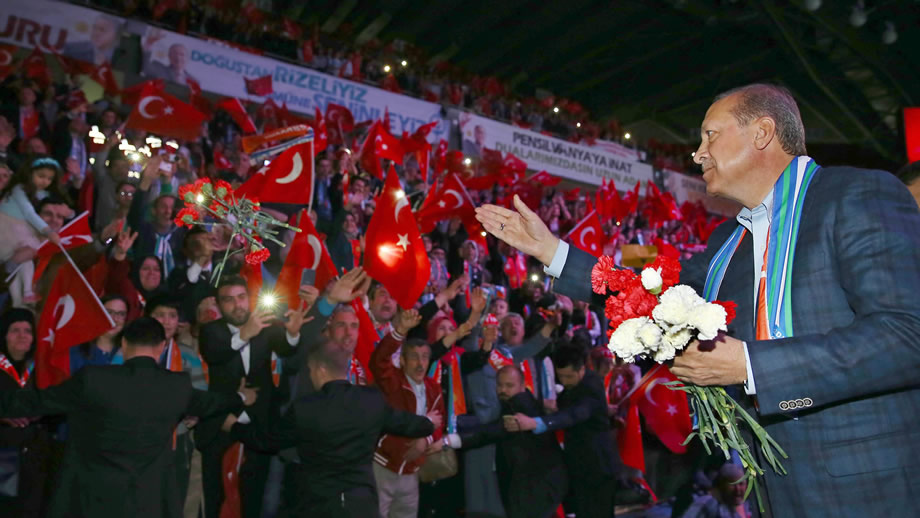
On 6 May,Turkey’s Supreme Electoral Council (YSK) annulled the results of the local electionsf.....
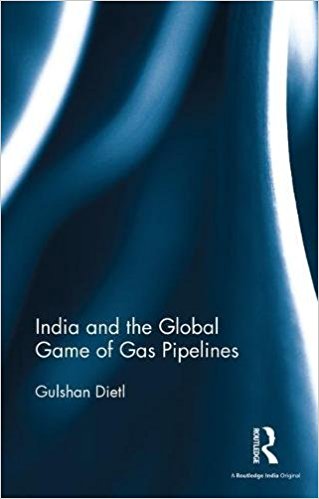
Gulshan Dietl, India and the Global Game of Gas Pipelines, (New York and London, Routledge.....