Breaking

... for openness and credibility....

- MENU
... for openness and credibility....
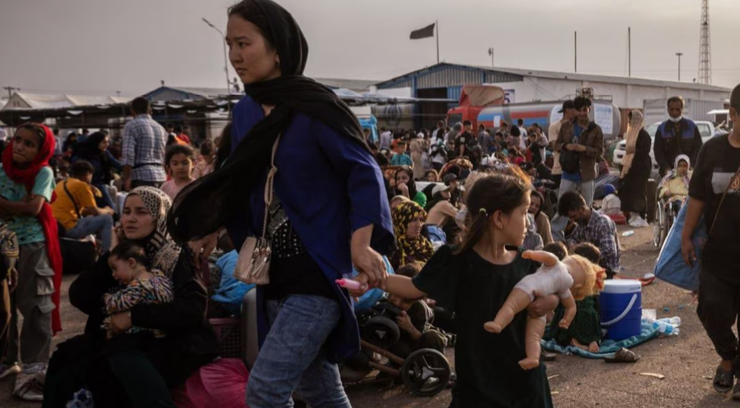
The protracted conflict in Syria has driven millions of individuals across international borders, altering both demographics and socioeconomic conditions of the host countries. In the Middle East, the Hashemite Kingdom of Jordan is a rentier state that primarily depends on aid from international actors. Jordan stands as one of the primary recipients of the displaced population in the region, and in addition to a large number of Palestinian refugees, it hosts over a million Syrians, of whom only a fraction were registered as refugees with the United Nations High Commissioner for Refugees (UNHCR).
According to UNHCR (2026), Jordan hosts one of the world’s largest refugee populations, with a total of 4,04,179 registered refugees, mainly from Syria (3,80,990), Iraq (12,136), Yemen(6,097), Sudan (4,250), Somalia (323), and others (383). Since December 2024, many Syrians have voluntarily returned, and a large portion still resides in Jordan, especially in governorates such as Amman (1,38,314), Mafraq (98,660), Irbid (66,929), and Zarqa (57,636).
Traditional macroeconomic narratives frame massive refugee influxes as unmitigated financial and infrastructural burdens on host countries. It strains public resources, depresses domestic wages, and overwhelms local public service networks. However, on the flip side, it became evident that Jordan is benefiting significantly from the presence of Syrian refugees through the inflow of substantial international humanitarian and development aid, the revitalisation of the domestic manufacturing and agricultural sectors via labour supply, and the strategic modernisation of its trade relations with global partners like the European Union (EU).
First is the role of international aid allocation. Historically, humanitarian assistance to refugee-hosting countries was transactional, short-term, and isolated from national development agendas. Whereas the scale of the Syrian crisis forced a structural evolution, culminating in the landmark 2016 Jordan Compact. Under this framework, the international community transformed from a basic emergency relief provider to a long-term financial supporter, providing Jordan with billions of dollars in highly concessional loans, direct budgetary support, and developmental grants. This foreign capital served not only as a subsidy for hosting refugees but also directly helped Jordan upgrade its national infrastructure, expanding its electricity grids, water management systems, and public education infrastructure.
Second, the presence of Syrian refugees has strengthened its domestic market, even during periods of regional economic stagnation. After entering Jordan, the displaced population became active consumers, using cash-transfer programmes and personal savings to secure housing, food, and other necessities. This surge in domestic demand directly benefited Jordanian property owners, who saw rising rental yields, and local businesses. Furthermore, the integration of Syrian businesses and capital has catalysed domestic market activity, diversifying it by generating corporate tax revenues and secondary employment opportunities for the host population. While a significant portion of Syrian-led enterprises operate in the informal economy, a landmark 2018 cabinet decision by the Jordanian government allowed these refugees to officially register and operate home-based businesses (HBBs) such as food processing, handicrafts, and tailoring.
Third, on the supply side, the incoming Syrian refugees have provided Jordan with a critical, low-cost labour force, which was previously reliant on high-cost foreign migrant workers. The agricultural, construction, and low-skilled manufacturing industries faced difficulties in attracting Jordanian workers due to deep-seated cultural preferences and structural wage mismatches. By legally integrating Syrian labourers into these sectors through the issuance of formal work permits, the Jordanian state effectively regulated and stabilised its labour supply. Studies suggest that the assimilation of Syrian workers into manufacturing sectors did not displace the native population, which occupies public-sector or high-skilled white-collar positions. Instead, it lowered production costs and enhanced the structural competitiveness of Jordanian firms. The availability of cost-effective Syrian labour has reduced wage dispersion and increased overall production capacity, thereby boosting total domestic output.
The presence of Syrian refugees in Jordan reveals a complex socioeconomic dynamic where systemic benefits counterbalance structural challenges. Although it is undeniable that the influx of a massive population had created immense pressure on the state, it paved the way for international funding, modernised trade agreements with global superpowers, and supplied a critical labour force. Ultimately, Jordan has effectively provided a blueprint for how a developing host state can leverage a humanitarian crisis to drive economic growth.
The author is a doctoral candidate at the Centre for West Asian Studies, Jawaharlal Nehru University, New Delhi.
Note: This article was originally published in The Week on 24 June 2026 and has been reproduced with the permission of the author. Web Link
As part of its editorial policy, the MEI@ND standardizes spelling and date formats to make the text uniformly accessible and stylistically consistent. The views expressed here are those of the author and do not necessarily reflect the views/positions of the MEI@ND. Editor, MEI@ND: P R Kumaraswamy

Nirmalshankar M is a doctoral candidate at the Centre for West Asian Studies, Jawaharlal Nehru University, New Delhi.
Social media platforms such as TikTok, Telegram, Facebook, and WhatsApp are often used to spread mis.....

The trajectory of Kahanism in Israeli politics represents one of the consequential ideological shift.....

The political landscape of Israel in 2026 is characterised by an ongoing conflict surrounding the St.....
The historic political transition in Syria during December 2024 brought an end to decades of Ba&rsqu.....
One of the persistent issues in the Middle East is the status of the Bidoon (stateless) in Kuwait. T.....
The Kurdistan Region of Iraq (KRI) sits at a unique geopolitical crossroads, bordering Syria, Tü.....
In recent years, the feminisation of migration in the Middle East and North Africa (MENA) region has.....
The ongoing escalation of the Iran-Israel conflict has triggered a major migration crisis in the Mid.....
The humanitarian situation in Yemen is described as the world’s most severe manufactured catas.....
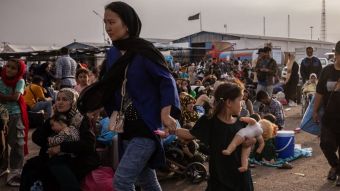
Every second day, media headlines blare: migrants and refugees subjected to systematic violence.....

The recent release of an audio file containing the conversation between Jeffrey Epstein and Ehud Bar.....

The Kingdom of Saudi Arabia is actively reshaping its demographic and security landscape as pa.....
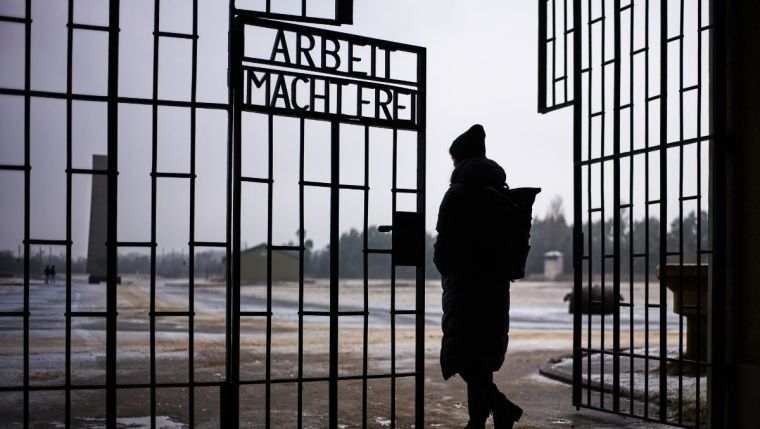
As the world marks the International Day of Commemoration in Memory of the Victims of the Holocaust .....
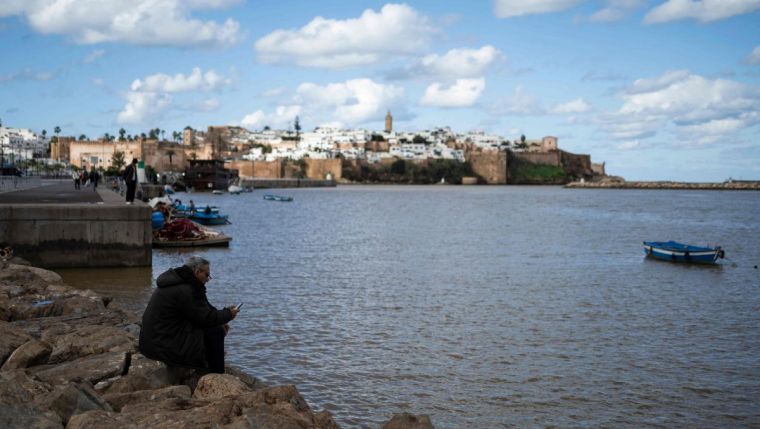
For decades, the Kingdom of Morocco was viewed almost exclusively as a ‘transit country’.....

The Bnei Menashe, also known as ‘Sons of Menashe,’ are indigenous people within the Kuki.....
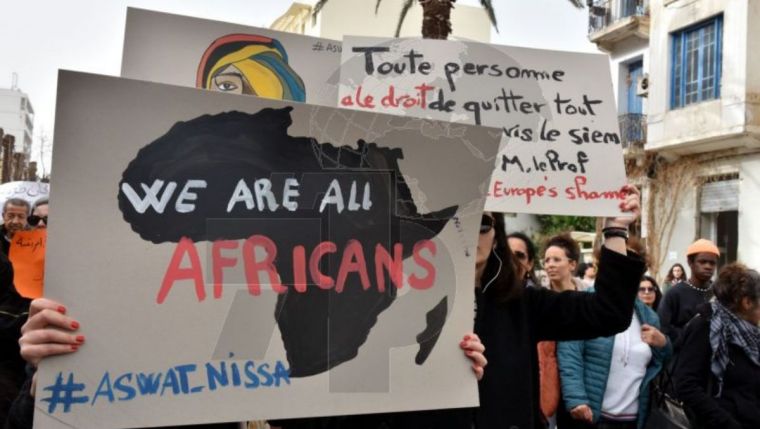
Earlier this month, Tunisia declared that it would not become a transit zone for migrants. In .....
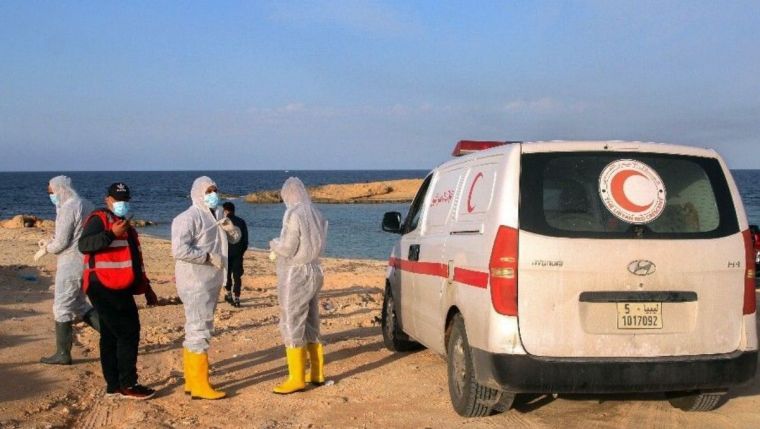
According to the United Nations International Organisation for Migration (IOM), this week, 42 migran.....
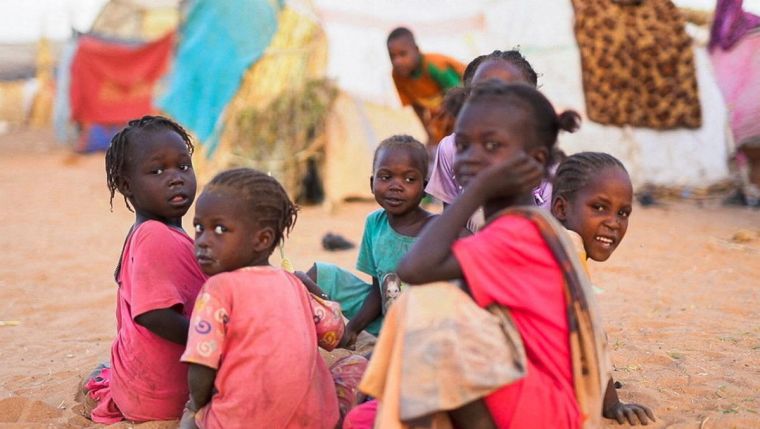
Egypt stands at a critical juncture between two of the world’s most devastating humanitarian c.....
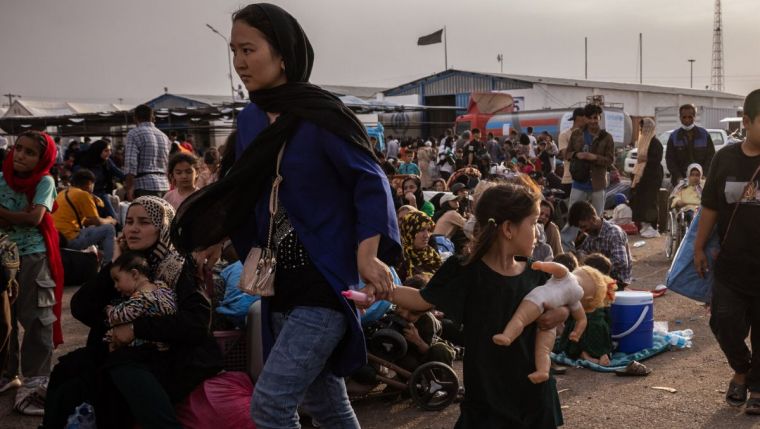
The Islamic Republic of Iran, with decades of international sanctions and mounting internal financia.....
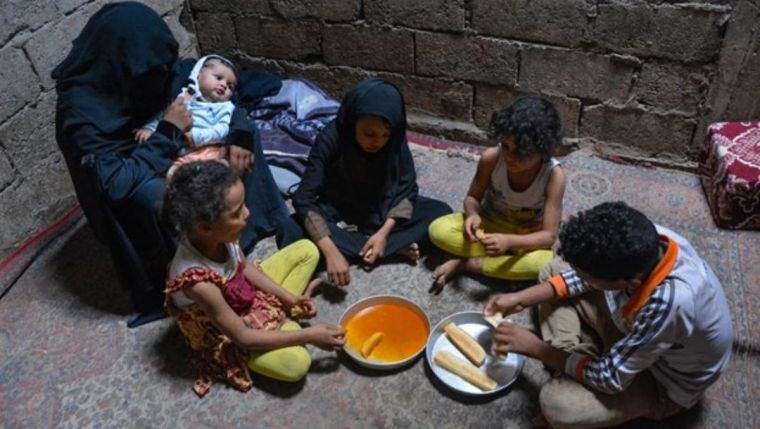
Last week, the UN warned that the new humanitarian catastrophe in Yemen, marked by acute food .....
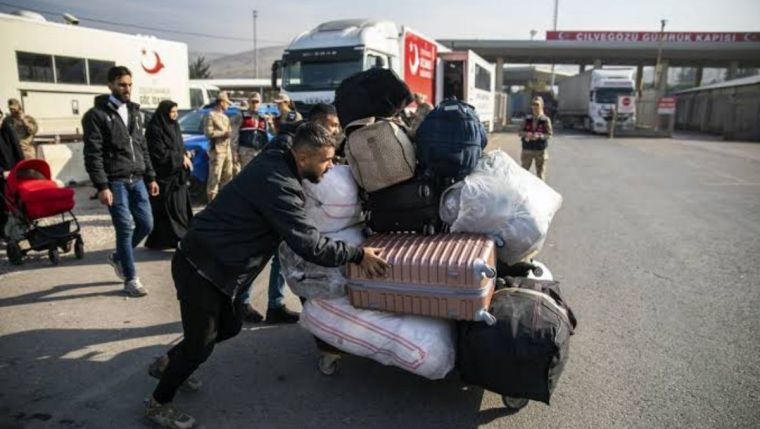
The return of Syrian refugees from Lebanon is widely viewed as a positive development, but it also h.....
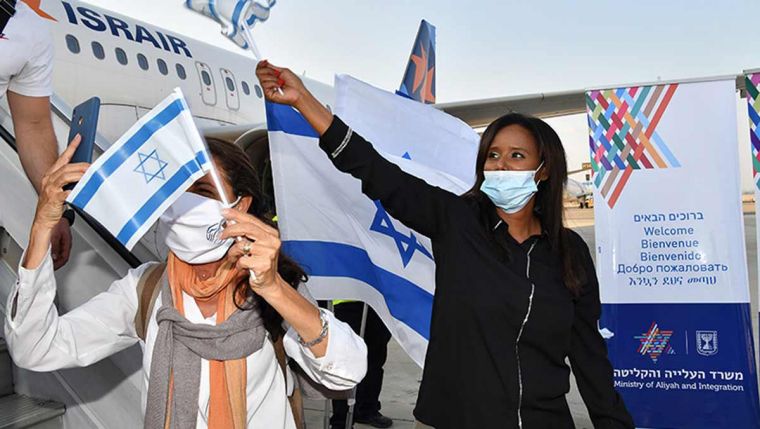
Even as rockets fell over homes and cities, planeloads of immigrants continued to land at Ben-Gurion.....