Breaking

... for openness and credibility....

- MENU
... for openness and credibility....
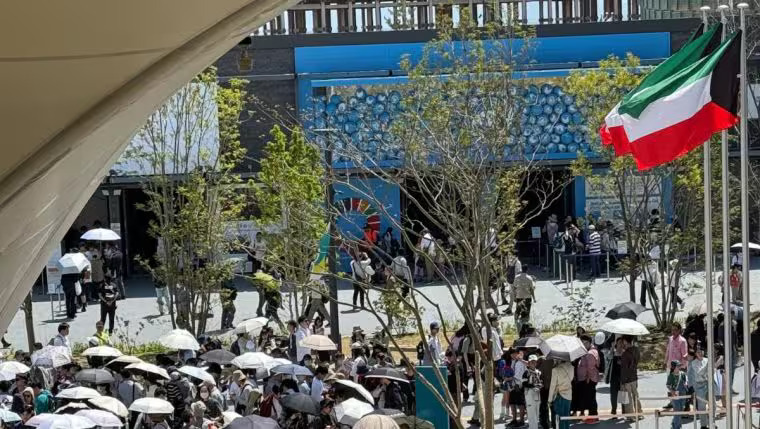
One of the persistent issues in the Middle East is the status of the Bidoon (stateless) in Kuwait. This is one of the most enduring and complex cases of structural statelessness in the modern Middle East. Although Kuwait has been lauded for its economic contributions to international organisations, including bearing the title ‘Centre for Humanitarian Action’ from the United Nations, it stands in stark contrast in its domestic policy towards the Bidoon. The central point of concern lies in Kuwait’s approach to protecting refugees and stateless persons abroad; it maintains a legal and administrative apparatus that systematically disenfranchises more than 90,000 of its residents within its borders.
Kuwait is one of the richest Gulf monarchies in the Middle East. According to the United Nations High Commissioner for Refugees (UNHCR), Kuwait’s latest resident population is 5,026,078, and the country hosts 418 refugees, 687 asylum seekers, and 92,000 stateless persons. The city-state is not party to the 1951 Refugee Convention and its 1967 Protocol. Additionally, it is also not a signatory to the 1954 Status of Stateless Persons Convention or the 1961 Convention on the Reduction of Statelessness. Therefore, it lacks a legal framework for stateless people, resulting in a protracted crisis for the Bidoon residing there.
The Bidoon crisis is not a sudden phenomenon; rather, it is a result of a transition from tribal nomadism to the Westphalian nation-state. In the early years of state formation, following independence in 1961, many Kuwaitis failed to register for citizenship under the 1959 Nationality Law. Illiteracy and a lack of awareness of the importance of civil documentation among these nomadic tribes were identified as the main reasons for this negligence.
After independence, these Bidoons served in the city-state’s military and police forces and enjoyed equal status in public education and healthcare with other citizens. Their situation worsened during the eight-year-long Iran-Iraq War, which caused numerous difficulties in their day-to-day life. After an assassination attempt on the Emir in 1985, a pivotal change in Kuwait’s policy towards Bidoon occurred, where the state reclassified them as illegal residents by stripping them of their civil rights. The other side of the argument is that, during the same time, many Iraqis started fleeing the conflict, got rid of their identity papers, and impersonated as Bidoon. In the subsequent Kuwait crisis of 1990-91, numerous Bidoon were forced to fight for the Iraqi army, creating a chance for the Kuwaiti government to view them as a security threat, leading to intensified punishments and deporting many.
The ongoing neglect of the Bidoon has created a serious humanitarian catastrophe. Until 2024, under special considerations, the Bidoon had been granted temporary travel documents under Article 17 of the Kuwaiti Passport Law 11/1962; the authorities suspended this, creating hardships in accessing medical treatment or education. This seriously undermines Article 29 [Equality, Human Dignity, Personal Liberty] of Kuwait’s Constitution 11/1962, which states “All people are equal in human dignity and in public rights and duties before the law, without distinction to race, origin, language, or religion… Personal liberty is guaranteed.”
Failing to meet the constitutional requirements seriously undermines the constitution’s democratic ethos, as set out in Article 6 [Democracy].
In 2026, the state entered a new phase through the introduction of an amendment to the Citizenship Law (Decree-Law No. 52/2026), which revamped citizenship eligibility by expanding the state’s power to revoke citizenship. It introduced mandatory, technology-driven DNA testing and biometric verification for nationality claims, arguing that these measures are intended to combat fraud and dual nationality. For the Bidoon, however, this represents an insurmountable barrier.
On the international stage, Kuwait maintains its image as a universal provider, ranking among the top donors, with contributions exceeding US $465.7 million since 1991, according to UNHCR. It extends its arms in infrastructure development in Iraq, Yemen, and Jordan, “aiming to provide long-term sustainable solutions for Syrian refugees in Iraq and Jordan, internally displaced people in Yemen.”
However, Kuwait’s use of humanitarian aid as a foreign policy tool contradicts its domestic preference to treat the Bidoon as a national security threat.
Kuwait’s posture as a saviour of the global refugee crisis, despite its inability to address its domestic problems, and the constant sidelining of Bidoon from attaining citizenship, could be categorised into two: One, Kuwaiti citizenship offers an exceptionally generous social contract, including state-subsidised housing, highly paid government jobs, and a comprehensive welfare scheme. Providing citizenship to Bidoon will create a demographic threat to the Kuwaiti minority. And two, contributions of millions of dollars to the UNHCR and other relief agencies will secure Kuwait’s international posture and soft power. These external philanthropic acts will serve as a diplomatic shield, allowing the state to frame the Bidoon issue as a domestic security matter involving foreign nationals who hide their true identities to claim state benefits.
Ultimately, the Bidoon crisis remains unresolved because it is a foundational element of Kuwait’s identity politics. Until the international community reconciles Kuwait’s role as a global donor with its domestic human rights record, this problem of statelessness will persist. Only time will tell how long this small Gulf monarchic city-state can fund international agencies to back its approach towards the Bidoons.
The author is a doctoral candidate at the Centre for West Asian Studies, Jawaharlal Nehru University, New Delhi.
Note: This article was originally published in The Week on 16 May 2026 and has been reproduced with the permission of the author. Web Link
As part of its editorial policy, the MEI@ND standardizes spelling and date formats to make the text uniformly accessible and stylistically consistent. The views expressed here are those of the author and do not necessarily reflect the views/positions of the MEI@ND. Editor, MEI@ND: P R Kumaraswamy

Nirmalshankar M is a doctoral candidate at the Centre for West Asian Studies, Jawaharlal Nehru University, New Delhi.
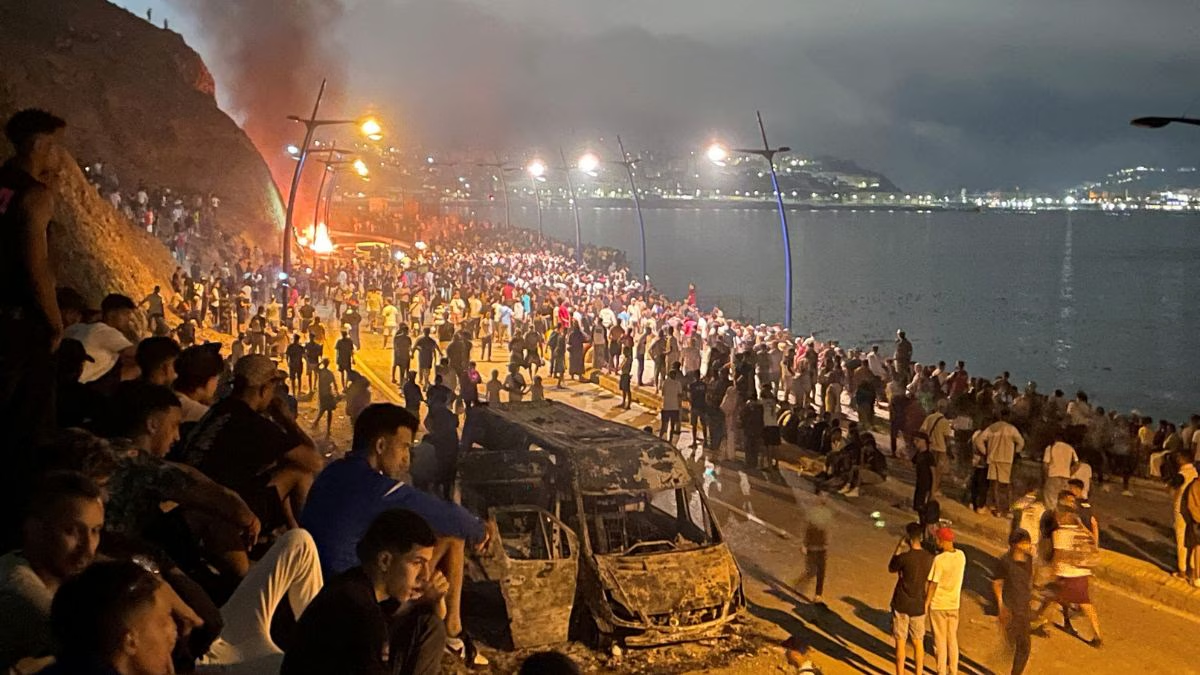
Social media platforms such as TikTok, Telegram, Facebook, and WhatsApp are often used to spread mis.....
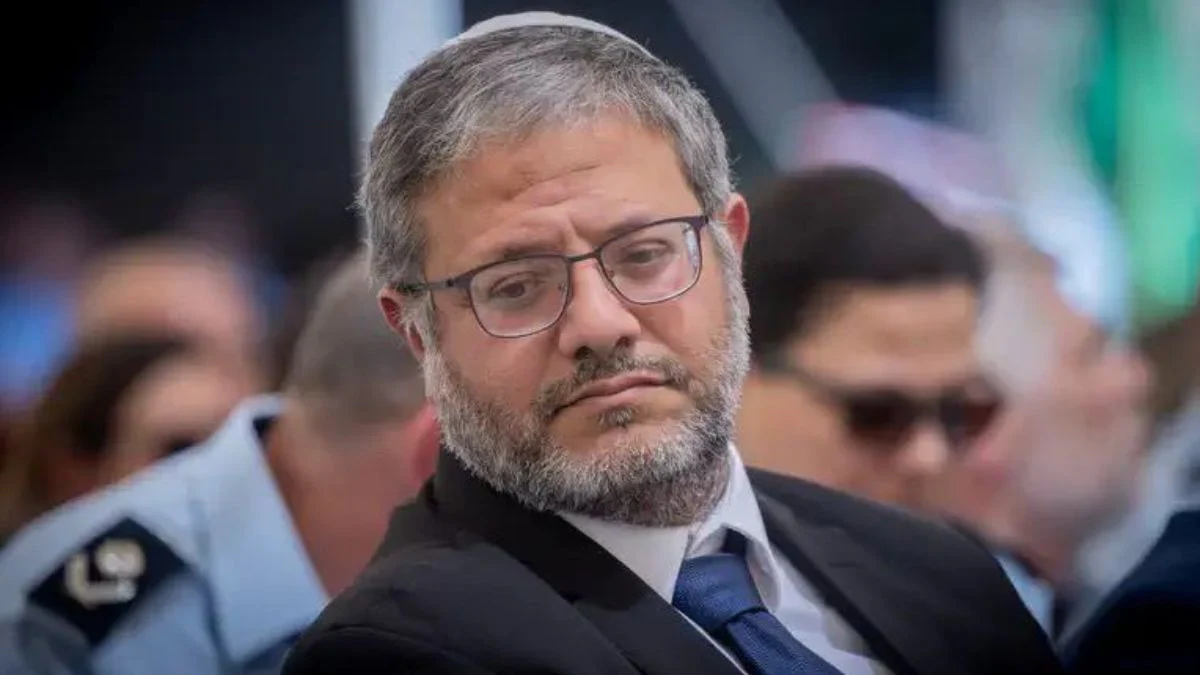
The trajectory of Kahanism in Israeli politics represents one of the consequential ideological shift.....

The political landscape of Israel in 2026 is characterised by an ongoing conflict surrounding the St.....
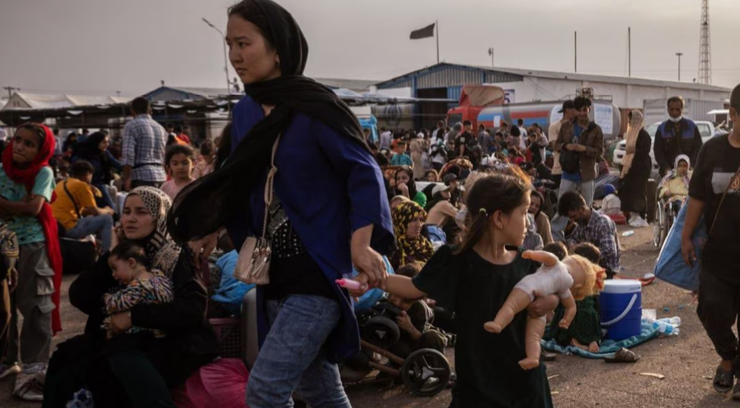
The protracted conflict in Syria has driven millions of individuals across international borders, al.....
The historic political transition in Syria during December 2024 brought an end to decades of Ba&rsqu.....
The Kurdistan Region of Iraq (KRI) sits at a unique geopolitical crossroads, bordering Syria, Tü.....
In recent years, the feminisation of migration in the Middle East and North Africa (MENA) region has.....
The ongoing escalation of the Iran-Israel conflict has triggered a major migration crisis in the Mid.....
The humanitarian situation in Yemen is described as the world’s most severe manufactured catas.....
Every second day, media headlines blare: migrants and refugees subjected to systematic violence.....
The recent release of an audio file containing the conversation between Jeffrey Epstein and Ehud Bar.....
The Kingdom of Saudi Arabia is actively reshaping its demographic and security landscape as pa.....
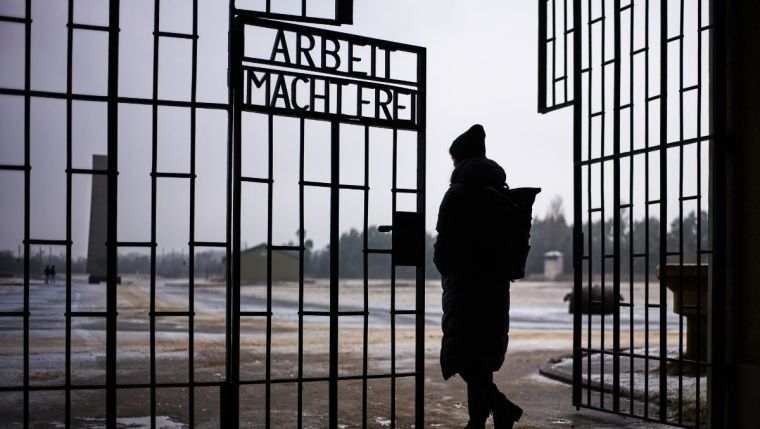
As the world marks the International Day of Commemoration in Memory of the Victims of the Holocaust .....
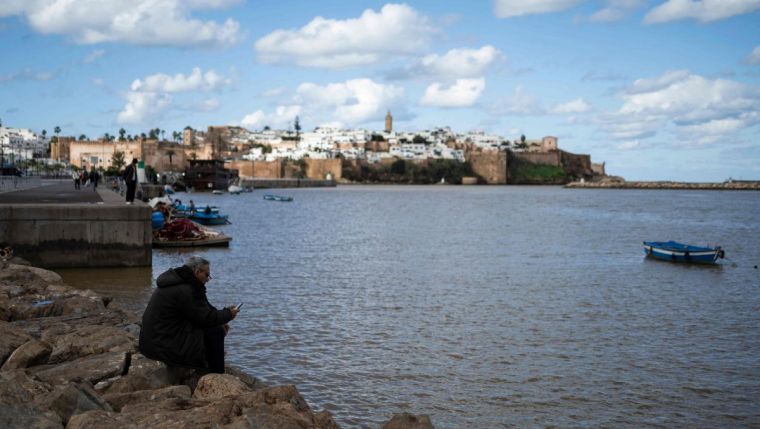
For decades, the Kingdom of Morocco was viewed almost exclusively as a ‘transit country’.....
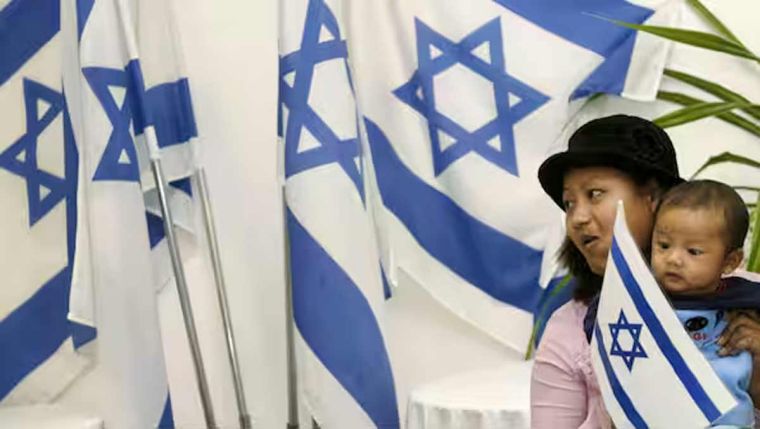
The Bnei Menashe, also known as ‘Sons of Menashe,’ are indigenous people within the Kuki.....
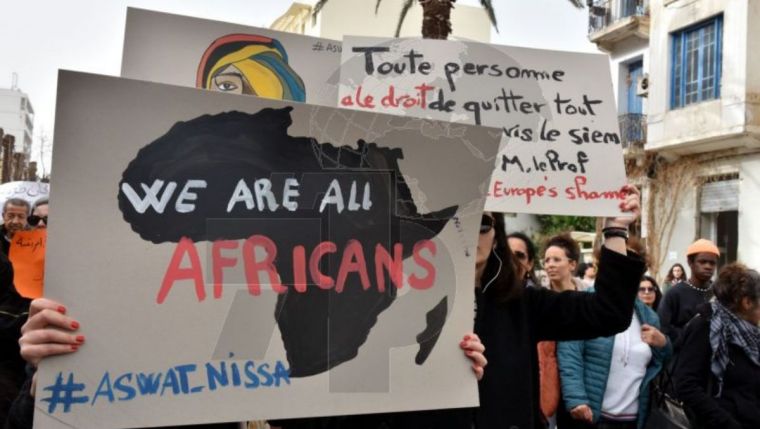
Earlier this month, Tunisia declared that it would not become a transit zone for migrants. In .....
According to the United Nations International Organisation for Migration (IOM), this week, 42 migran.....
Egypt stands at a critical juncture between two of the world’s most devastating humanitarian c.....
The Islamic Republic of Iran, with decades of international sanctions and mounting internal financia.....
Last week, the UN warned that the new humanitarian catastrophe in Yemen, marked by acute food .....
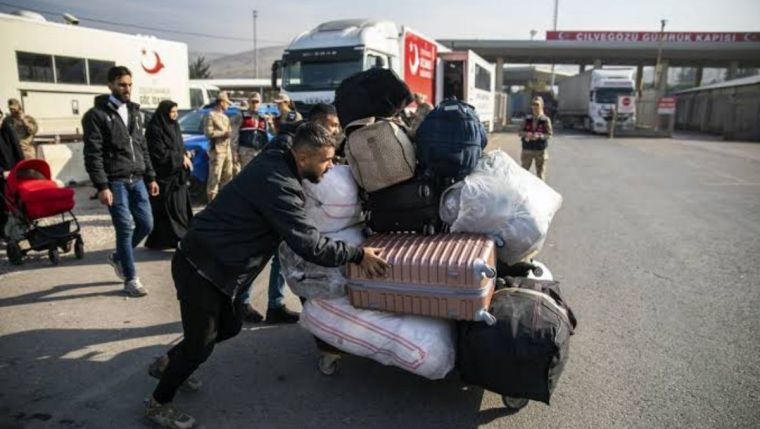
The return of Syrian refugees from Lebanon is widely viewed as a positive development, but it also h.....
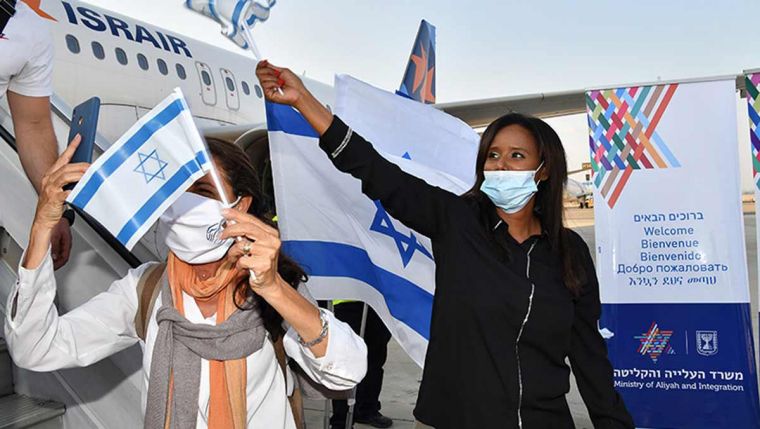
Even as rockets fell over homes and cities, planeloads of immigrants continued to land at Ben-Gurion.....